
Light
Direct Sun
Thrives in direct sunlight; ideal for south-facing windows with at least 6 hours of sun.
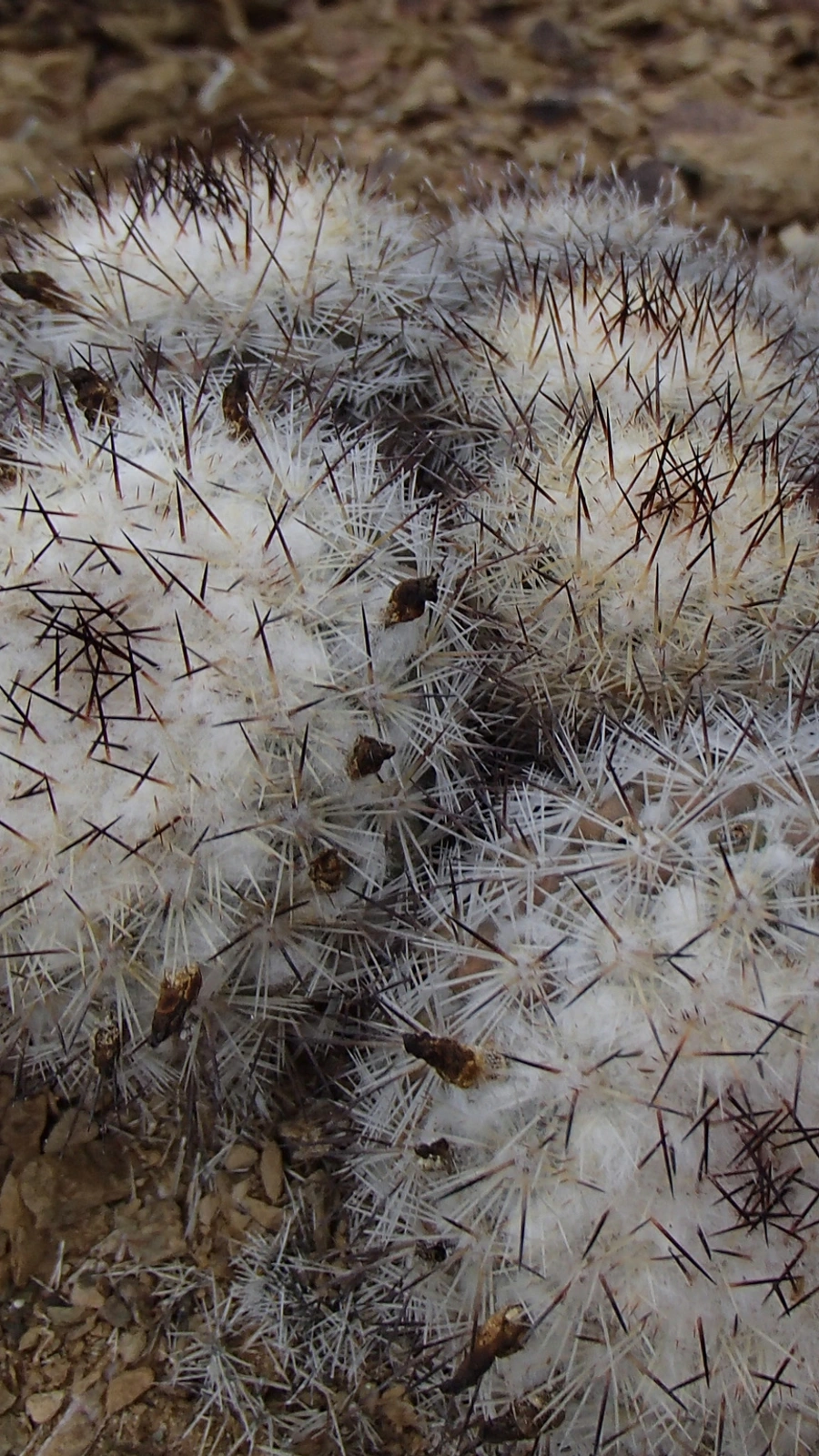 Reference image
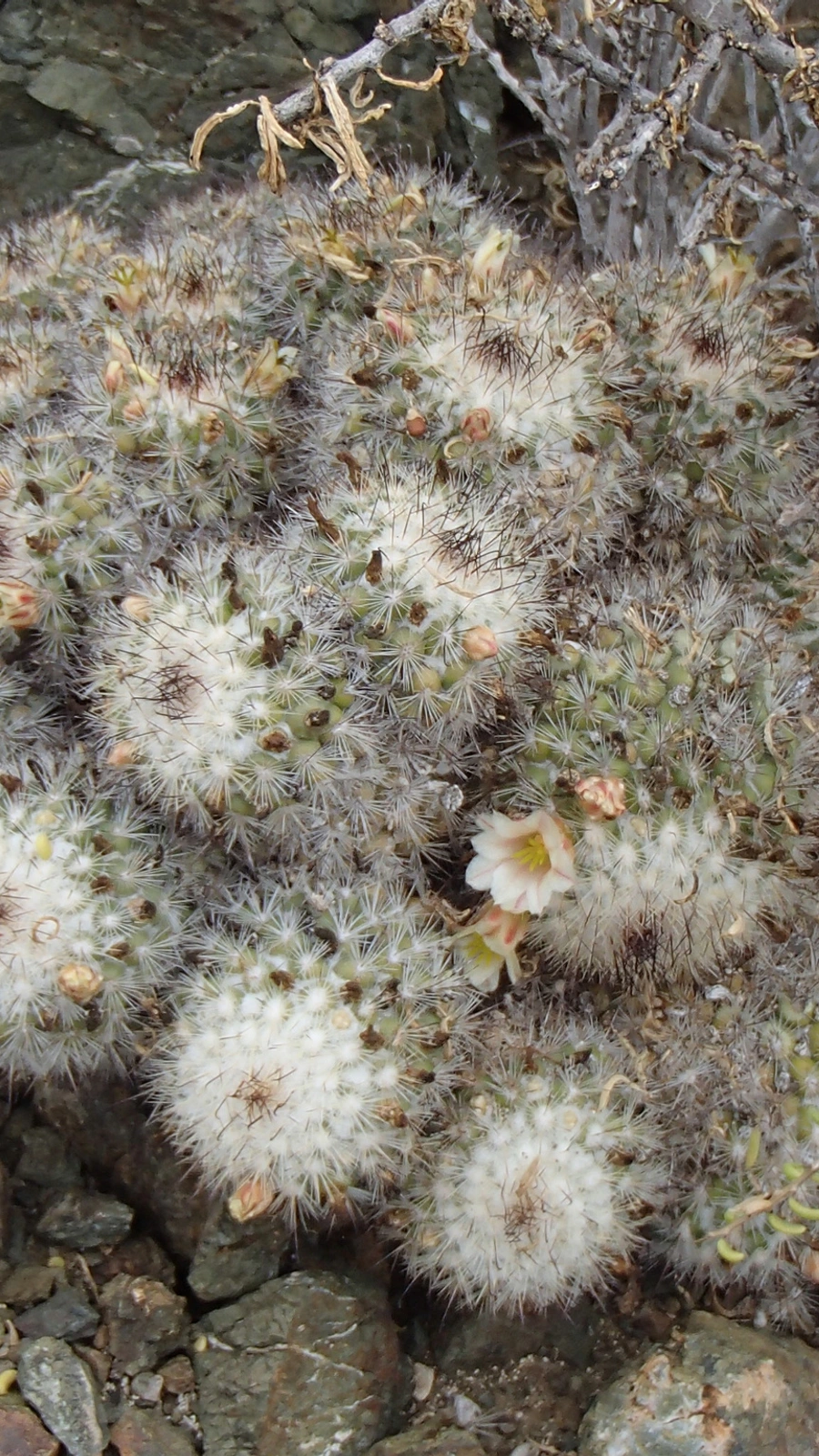 Reference image
Palmer's Nipple Cactus
Mammillaria palmeri is a charming small cactus species native to the desert environments of Mexico 1. Belonging to the family Cactaceae, it is highly prized by succulent collectors for its dense, neat spination and delicate, funnel-shaped flowers.
First described scientifically in the early 20th century, Mammillaria palmeri is sometimes classified by taxonomists as a subspecies of Mammillaria dioica 2. The genus name Mammillaria derives from the Latin word for 'nipple', referring to the characteristic tubercles covering the plant's body, while the specific epithet palmeri honors the prominent botanical collector Edward Palmer 1.
This species is native to Baja California, Mexico, particularly inhabiting rocky slopes and maritime terraces on the San Benito Islands 2. It thrives in arid climates, utilizing highly porous soils to survive harsh droughts.
The plant features a globose to cylindrical stem, often clustering over time. Its tubercles are rounded and contain woolly axils. Spines are dense, with pale radial spines and stouter, yellowish-brown central spines. Blooms are small, cream to pale yellow, and appear in late spring.
In cultivation, Mammillaria palmeri requires exceptionally well-draining gritty soil and bright, direct sunlight 3. Water sparingly, allowing the substrate to dry out completely between waterings. Protect from hard frosts, as it prefers temperatures above 5°C.
Overwatering is the most frequent cause of failure, leading to root rot. Additionally, insufficient light can cause etiolation, stretching the natural globose form of the cactus.
Thrives in direct sunlight; ideal for south-facing windows with at least 6 hours of sun.
Allow the potting mix to dry out 100% before watering; keep dry in winter.
Requires excellent drainage; use a soil mix rich in pumice and coarse grit.
Non-toxic, but has sharp spines that can cause mechanical injury to pets and children.
Very easy to care for, provided it is not overwatered and receives adequate light.
Endemic to the San Benito Islands off the coast of Baja California, Mexico. It grows naturally in harsh, rocky, and hyper-arid coastal environments.
