
Light
Bright Indirect Light
Requires abundant bright, filtered light; protect from harsh direct summer noon sun.
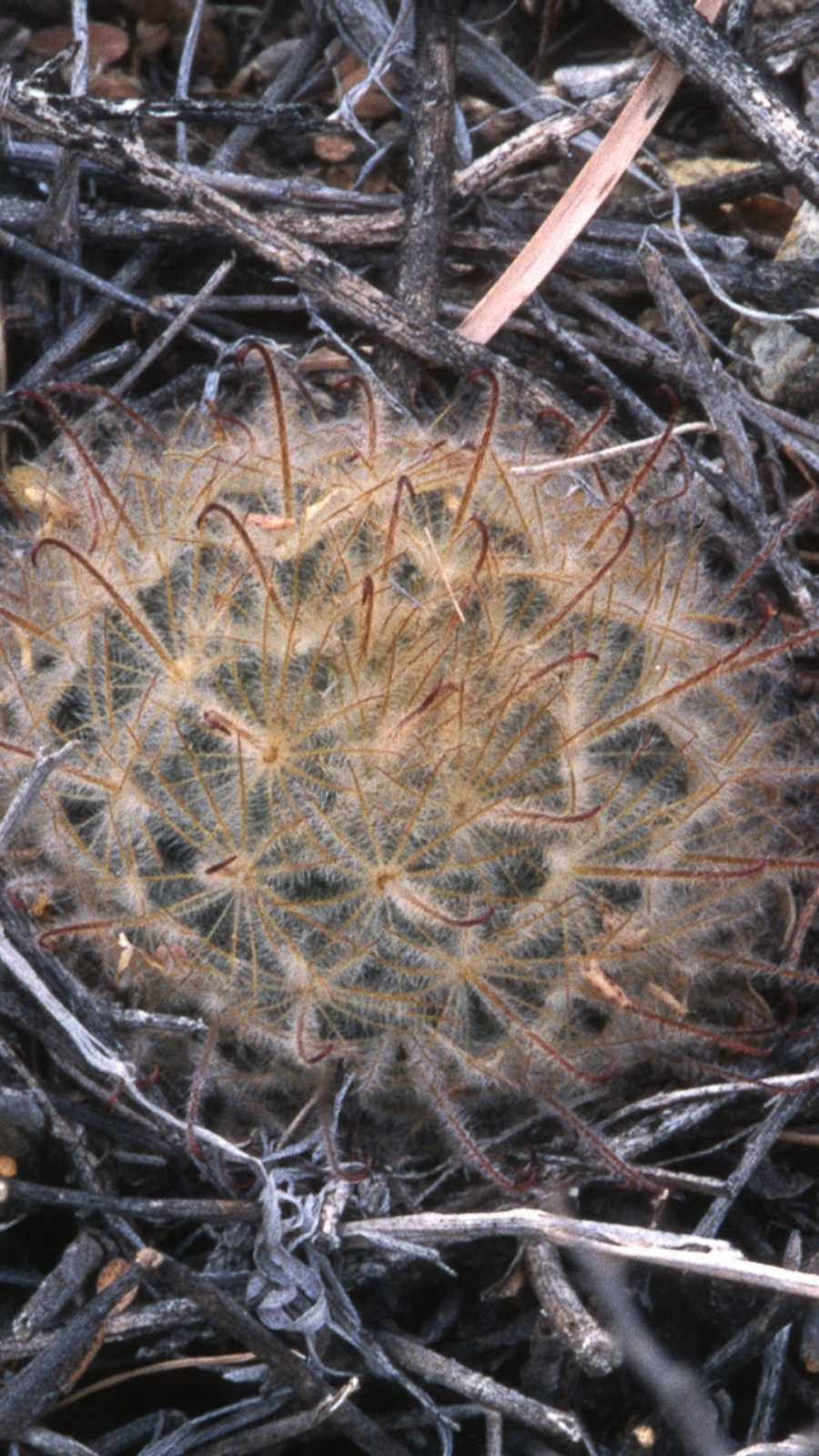 Reference image
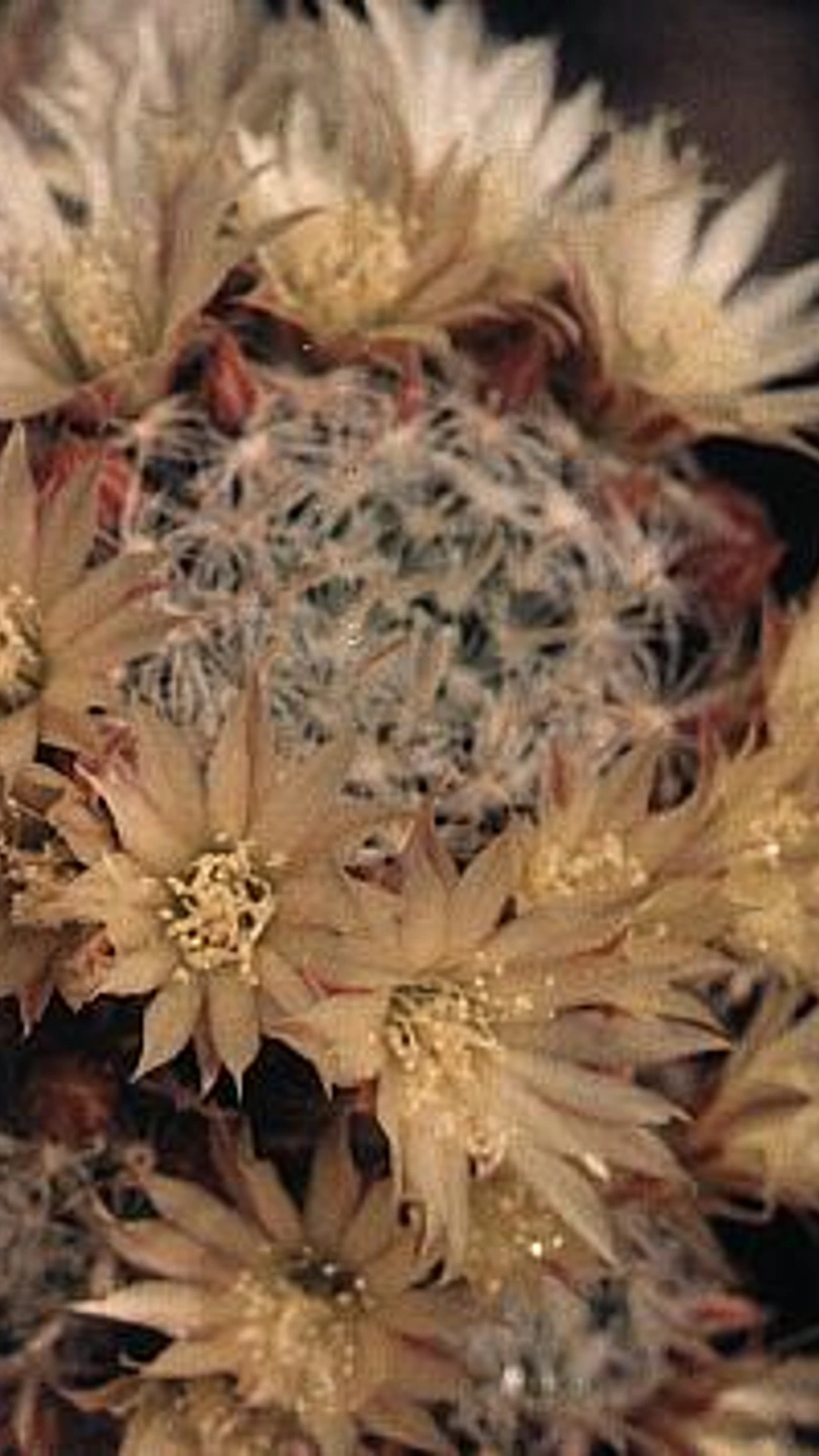 Reference image
Feather-Spined Mammillaria
Mammillaria pennispinosa is a highly sought-after, rare miniature cactus belonging to the family Cactaceae. Known for its distinct, feather-like spine structure, this globose succulent subshrub is highly prized by collectors but is increasingly threatened in its native environment 1.
The specific epithet 'pennispinosa' is derived from the Latin 'penna' meaning feather and 'spina' meaning spine, referencing the delicate, plumose appearance of its radial spines. Mammillaria nazasensis is considered a closely related taxon or subspecies by some authorities 2.
Endemic to the Mexican states of Coahuila and Durango, this species thrives in dry shrublands and desert biomes. It typically grows on steep volcanic slopes, in rock crevices, and on calcareous substrate at high elevations 1. Due to habitat loss and illegal poaching, it is classified as Critically Endangered (CR) on the IUCN Red List.
The plant body is globose to slightly flattened, usually growing solitary but occasionally clustering from the base with age. The stems are covered in conical tubercles. Its defining feature is the array of plumose, feathery, white-to-yellowish radial spines that densely shroud the green body, contrasted by yellow-to-reddish brown central spines which are hooked. Flowers are small, creamy-white to pale pinkish.
Mammillaria pennispinosa requires an extremely porous, mineral-rich potting mix with low organic matter. It prefers bright, filtered sunlight rather than scorching direct sun, which can burn its delicate epidermis 2. Water sparingly during the active spring and summer growing seasons, keeping the soil completely dry in winter.
Overwatering and poorly draining soil are the primary causes of failure, quickly leading to root and stem rot. Keeping the cactus in damp, cold conditions during winter dormancy is also fatal.
Requires abundant bright, filtered light; protect from harsh direct summer noon sun.
Water only after the substrate is completely bone dry. Suspend watering during winter dormancy.
Needs an extremely porous, gritty mineral mix containing pumice, perlite, and coarse sand.
The feather-like radial spines are soft, but central spines have sharp hooks. Non-toxic to pets.
Moderate to hard due to high sensitivity to excess moisture and root rot.
Native to the arid desert regions of northern Mexico, where it populates specific volcanic rock crevices and steep gravelly hillsides.
