
Light
Filtered Sun
Thrives in bright, filtered sunlight; protect from scorching midday sun.
 Reference image
 Reference image
Painted Nipple Cactus
Mammillaria picta is a small-bodied, clump-forming perennial succulent cactus belonging to the Cactaceae family. It is highly valued among collectors for its symmetrical spine arrangements and delicate spring blooms 1.
The species was formally described by German botanists. The specific epithet "picta" translates to "painted" or "ornamented" in Latin, referencing the attractive color variations of its spines and the overall neat pattern of its body 2.
Mammillaria picta is endemic to northeastern and central Mexico, particularly in states like Coahuila, Nuevo León, Tamaulipas, and San Luis Potosí. It thrives at elevations between 1000 and 2200 meters above sea level, typically growing on limestone rocks and in semi-arid desert scrublands 1.
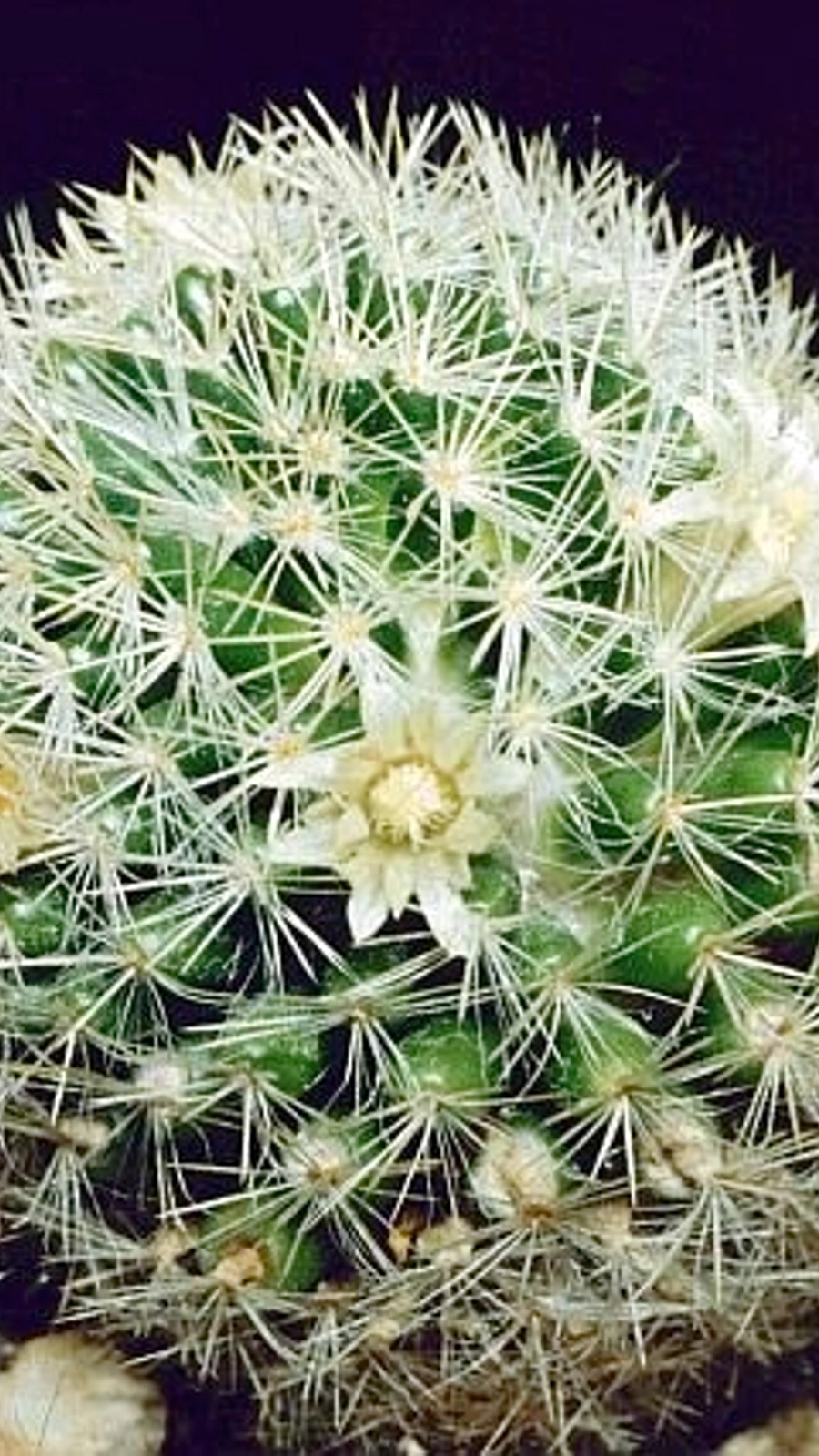
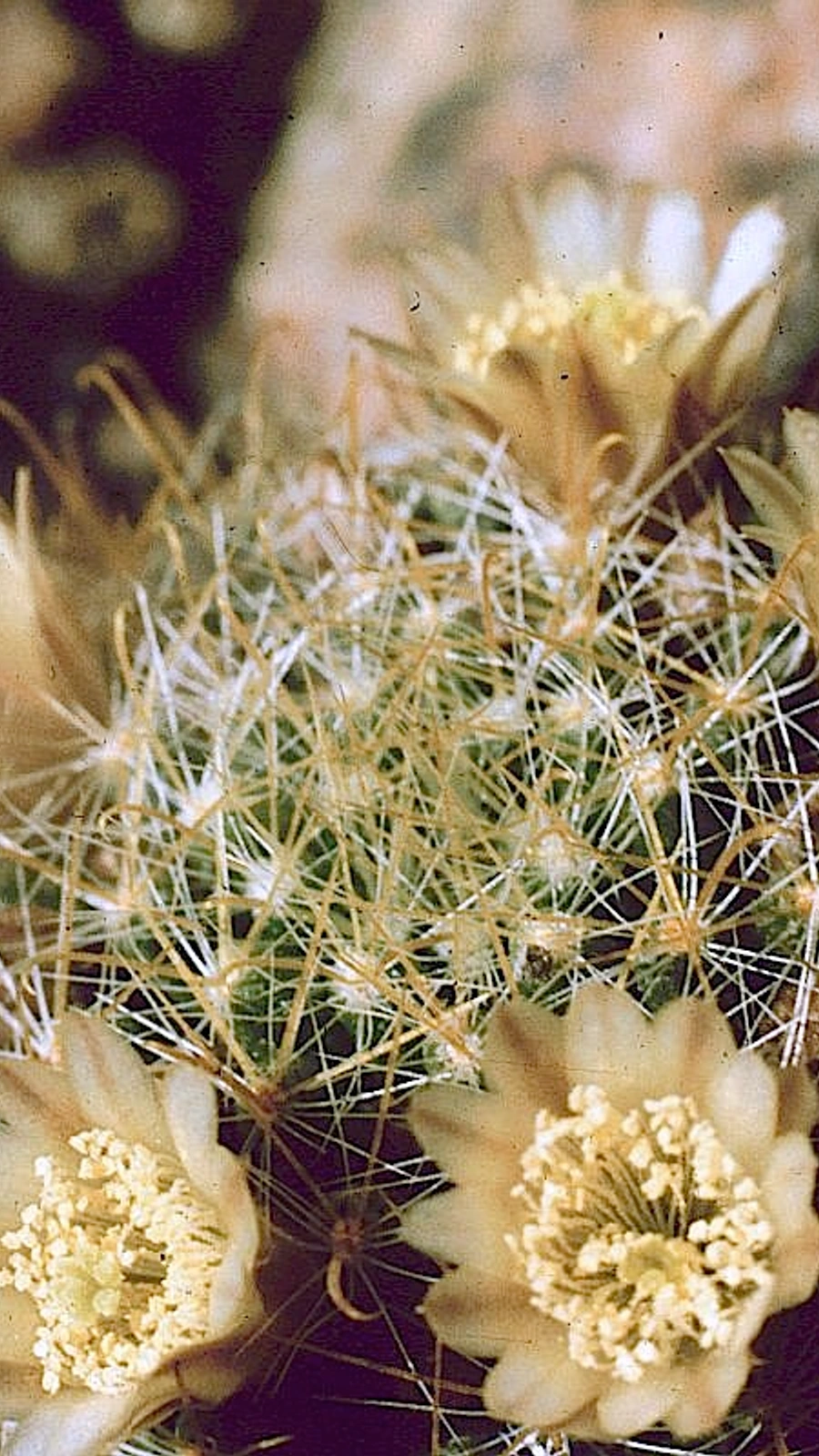
The stem is globose to short cylindrical, dark green, and covered with prominent tubercles. The areoles bear fine, whitish to pale yellow radial spines, sometimes accented by darker central spines. During late winter to spring, it produces small, cream-colored to pale yellow flowers near the crown 2.
This species demands bright, filtered sunlight and excellent ventilation. Watering should follow the soak-and-dry method, meaning the substrate must dry out completely between waterings. In winter, irrigation should be kept to a bare minimum to allow dormancy.
Overwatering in poorly draining soil is the most frequent cause of root rot. Keeping the plant in cold, highly humid conditions during winter also predisposes it to fungal infections.
Thrives in bright, filtered sunlight; protect from scorching midday sun.
Water only when the substrate is fully dry, and keep almost dry in winter.
Highly porous, grit-heavy potting mix with pumice and sand.
Non-toxic, but the small spines can cause physical irritation to pets and skin.
Very easy to care for if overwatering is strictly avoided.
Native to high-altitude limestone slopes and arid desert scrub regions of northeastern Mexico.
