
Light
Direct Sun
Requires at least 6 hours of direct sunlight daily to maintain its compact form.
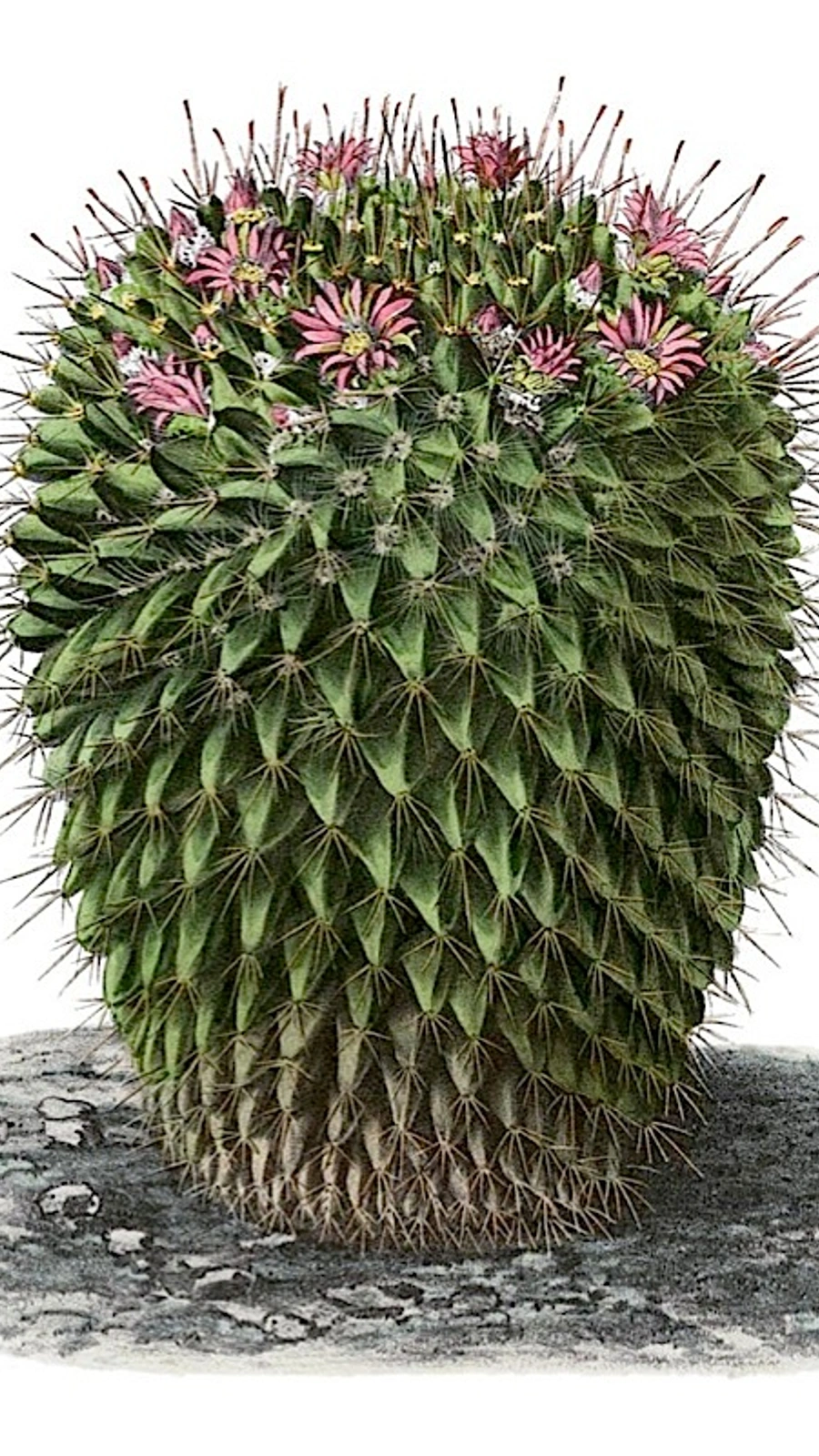 Reference image
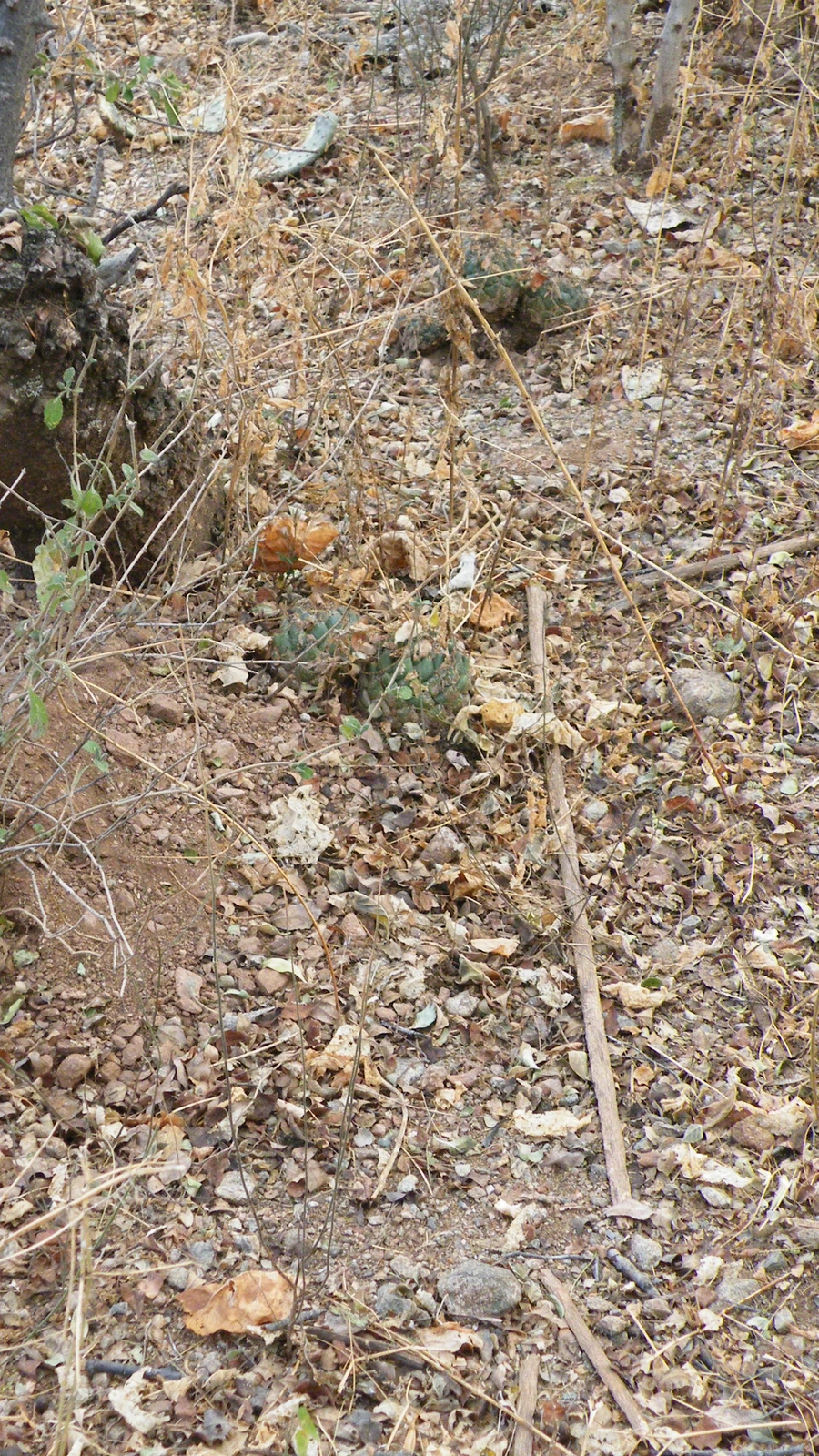 Reference image
Many-sided Nipple Cactus
Mammillaria polyedra is a perennial, slow-growing succulent cactus in the family Cactaceae, widely appreciated by collectors for its distinctive polygonal tubercles 1. Exhibiting extreme drought tolerance, this species is an exceptionally resilient houseplant that thrives with minimal attention.
The species was formally described in 1836 by the botanist Joseph de Salm-Reifferscheidt-Dyck 2. The specific epithet 'polyedra' originates from Greek, meaning 'many-sided' or 'polyhedral', which directly describes the sharply angled, geometric shape of its prominent tubercles.
Mammillaria polyedra is endemic to southern and central Mexico, particularly throughout Puebla, Oaxaca, Guerrero, and Michoacán 1. It inhabits dry deciduous forests, dry shrublands, and rocky limestone slopes at elevations ranging from 1000 to 2200 meters above sea level.
The stem is solitary at first, globose to cylindrical, and may branch from the base over time to form small clumps 2. The epidermis is dull grayish-green. The prominent tubercles are sharply 4 to 5-angled and pyramidal. Areoles at the tips bear white wool and 2 to 4 stiff, grayish-brown central/radial spines. The small, funnel-shaped flowers are purplish-pink and emerge in a ring near the crown of the stem.
In cultivation, Mammillaria polyedra requires full sun and a highly porous, mineral-rich substrate. Water thoroughly only when the soil has completely dried out. During the winter, keep the plant dry and cool to encourage dormancy and subsequent spring flowering.
The most frequent issue is root rot caused by overwatering or compacted soil. Placing the plant in low-light environments leads to etiolation, where the cactus loses its compact shape and grows weak and elongated.
Requires at least 6 hours of direct sunlight daily to maintain its compact form.
Water only when the substrate is 100% dry; suspend watering almost completely in winter.
Requires extremely gritty, porous soil with added pumice, coarse sand, and perlite.
Non-toxic to pets, but features sharp spines that can cause mechanical injury upon contact.
Very easy to care for, making it ideal for beginners who tend to forget watering.
Native to the arid valleys and dry deciduous shrublands of southern and central Mexico, where it grows anchored to rocky limestone crevices and gravelly soils under intense sunlight.
