
Light
Bright Indirect Light
Requires bright, filtered sunlight or direct morning sun for compact growth.
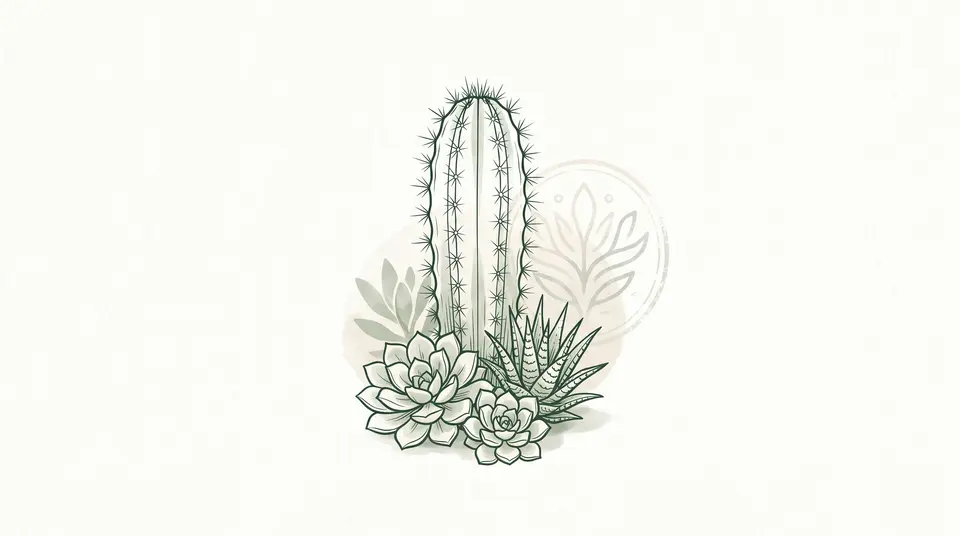 Reference image
Rzedowski's Nipple Cactus
Mammillaria rzedowskiana is a distinctive succulent subshrub belonging to the Cactaceae family, native to the arid environments of Mexico. Known for its compact growth and attractive spine patterns, it is highly valued by succulent collectors 1.
The species is named in honor of the prominent Mexican botanist Jerzy Rzedowski. As a member of the genus Mammillaria, it displays the characteristic nipple-like tubercles on its stem from which the genus derives its name 2.
It is endemic to the semi-arid highlands of central and northern Mexico, including states like San Luis Potosí, Querétaro, and Guanajuato. It typically thrives in rocky limestone crevices and dry shrublands at moderate to high elevations 1.
The stem is globose to short cylindrical, often offsetting from the base to form dense clumps. Tubercles are well-defined, bearing radial spines that are whitish-grey, and central spines that are darker and stouter. Its small, funnel-shaped flowers emerge in a crown near the apex, displaying shades of pink, cream, or pale yellow 2.
In cultivation, this cactus requires a very porous, mineral-based soil mixture. It thrives under bright, indirect light but benefits from light shade during intense summer afternoons. Water deeply only when the potting medium has dried out completely.
Overwatering, particularly during the winter dormancy, is the primary cause of root rot. Lack of adequate light will cause the plant to etiolate, losing its compact shape and weakening its overall structure.
Requires bright, filtered sunlight or direct morning sun for compact growth.
Water thoroughly only when the soil is bone dry. Keep dry in winter.
Use a specialized fast-draining cactus soil amended with pumice or perlite.
Non-toxic to pets, but sharp spines require careful handling with gloves.
Very easy to care for if overwatering is strictly avoided.
Found naturally on rocky limestone slopes and volcanic outcrops in the high-altitude semi-deserts of Mexico, often growing nestled among low-growing desert shrubs.
