
Light
Filtered Sun
Bright, filtered sunlight with protection from scorching afternoon sun.
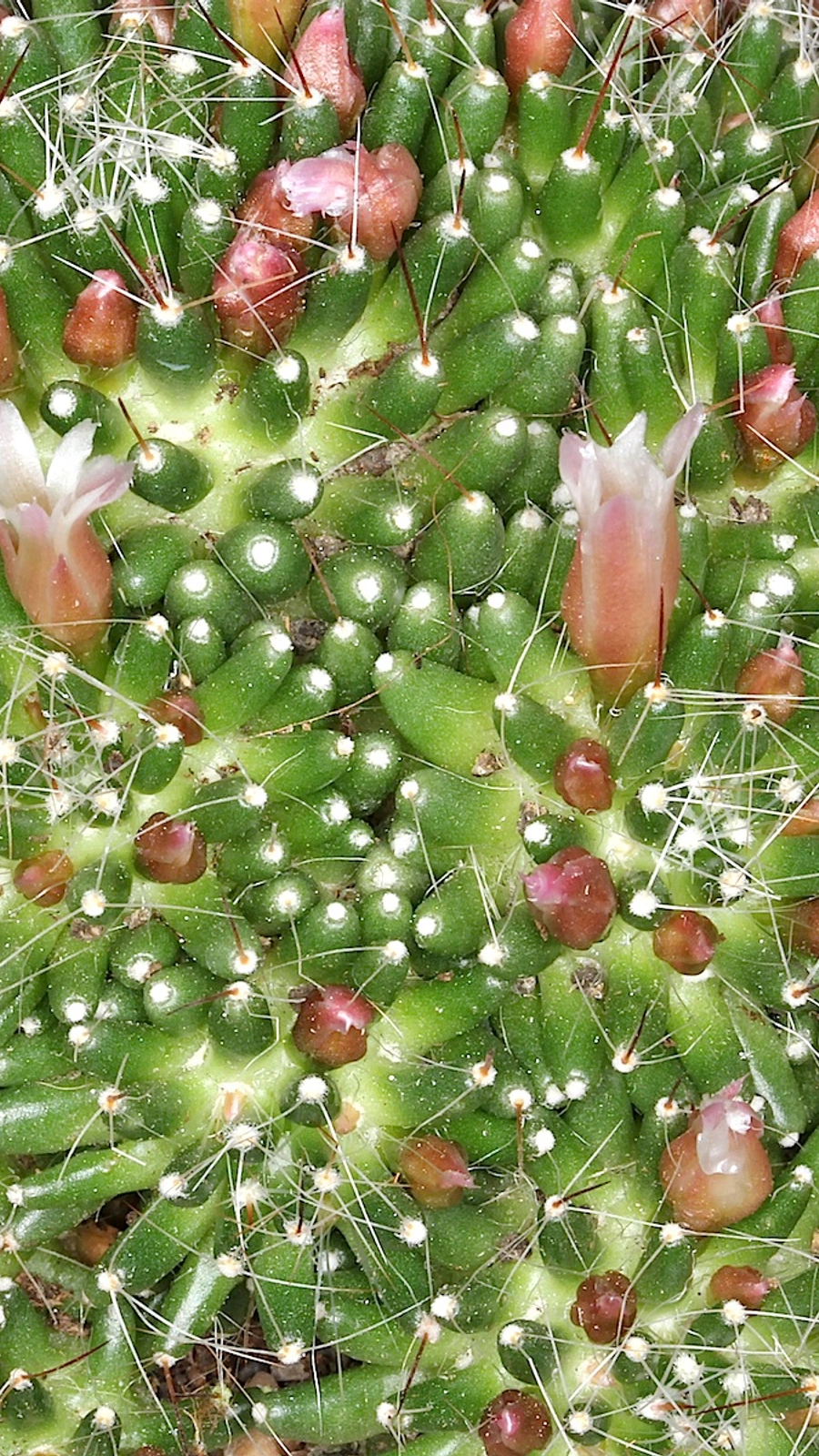 Reference image
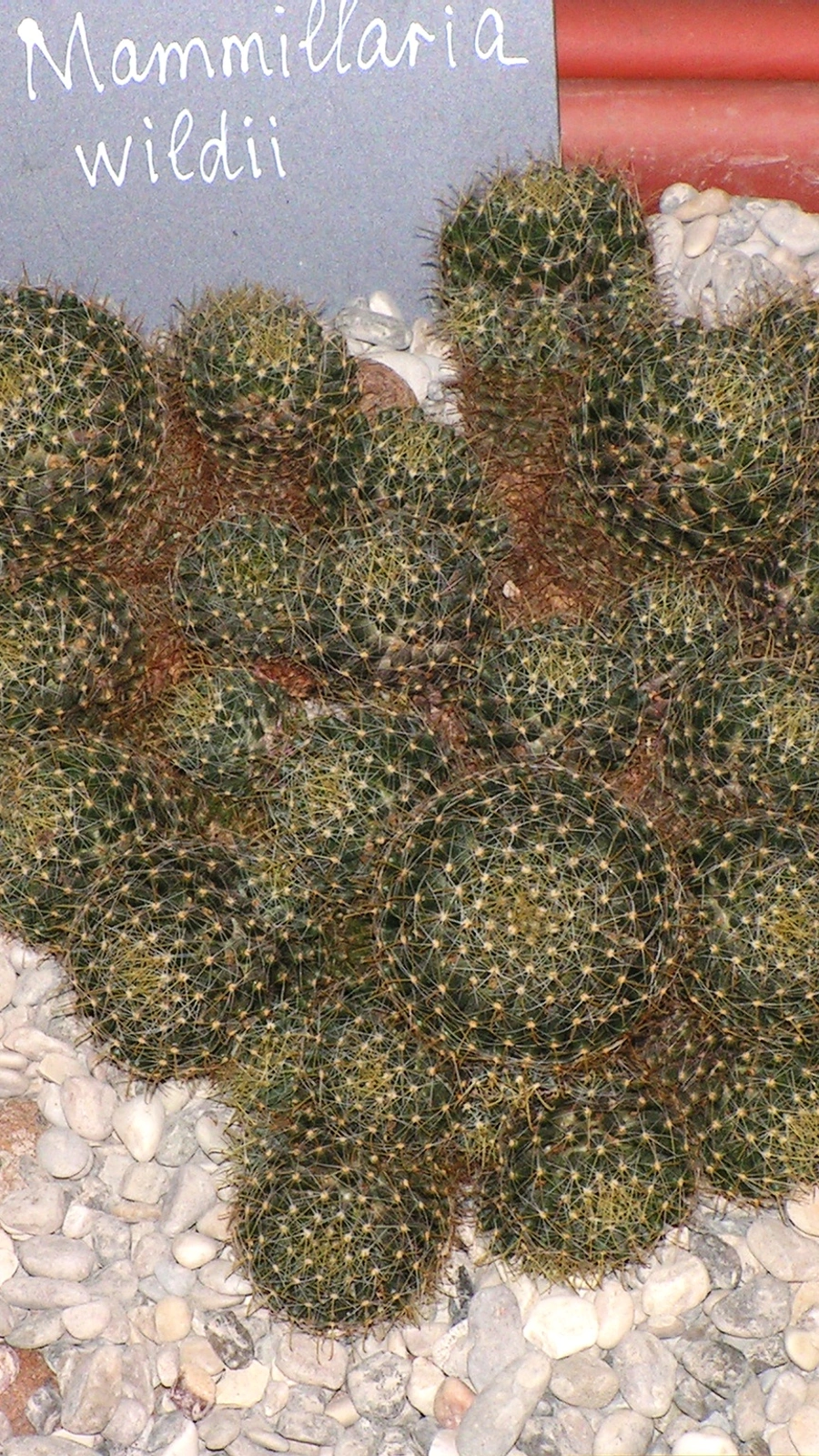 Reference image
Scheinvar's Mammillaria
Mammillaria scheinvariana is an extremely rare and Critically Endangered (CR) cactus species native to Mexico 1. It is highly prized among succulent enthusiasts for its compact, globose form and dense covering of fine, white, wool-like spines.
Described in 1997, the species was named in honor of the prominent Mexican botanist Léia Scheinvar. It belongs to the genus Mammillaria, which is characterized by the presence of prominent tubercles (nipple-like bumps) instead of continuous ribs 2.
This species is micro-endemic to a highly restricted range within Queretaro and Hidalgo, Mexico 1. It typically grows on vertical limestone canyon walls and steep rocky cliffs within semi-arid desert scrub ecosystems, benefiting from exceptional drainage and constant air movement.
The stem is solitary or slowly offsetting from the base to form small clumps, globose to short-cylindrical, and heavily shrouded in fine, hair-like white radial spines. These spines serve as an evolutionary shield against intense solar radiation. During spring and early summer, it produces delicate, funnel-shaped pale pink to cream flowers from the axils between its tubercles 2.
Cultivation requires strict attention to soil composition and moisture control. It thrives in a highly mineral, gritty substrate with minimal organic matter. Water only when the potting medium has dried out completely during the growing season. In winter, the plant must be kept dry and cool to prevent rot.
The most prevalent issue is overwatering during its winter dormancy, which quickly triggers root rot. Additionally, insufficient light leads to etiolation, causing the natural globose form to stretch and weaken.
Bright, filtered sunlight with protection from scorching afternoon sun.
Water thoroughly only when the substrate is bone dry. Suspend watering entirely during winter dormancy.
Gritty, fast-draining mineral mix containing high percentages of pumice, gravel, and perlit.
Non-toxic, but the dense, fine spines can cause minor skin irritation; handle with care or use gloves.
Moderate. Requires a strict watering routine and proper winter temperature management.
Naturally distributed along the steep vertical limestone cliffs and canyons of central Mexico, thriving in highly drained rock crevices.
