
Light
Bright Indirect Light
Prefers bright, indirect light; protect from scorching summer sun.
 Reference image
 Reference image
Schwarz's Pincushion Cactus
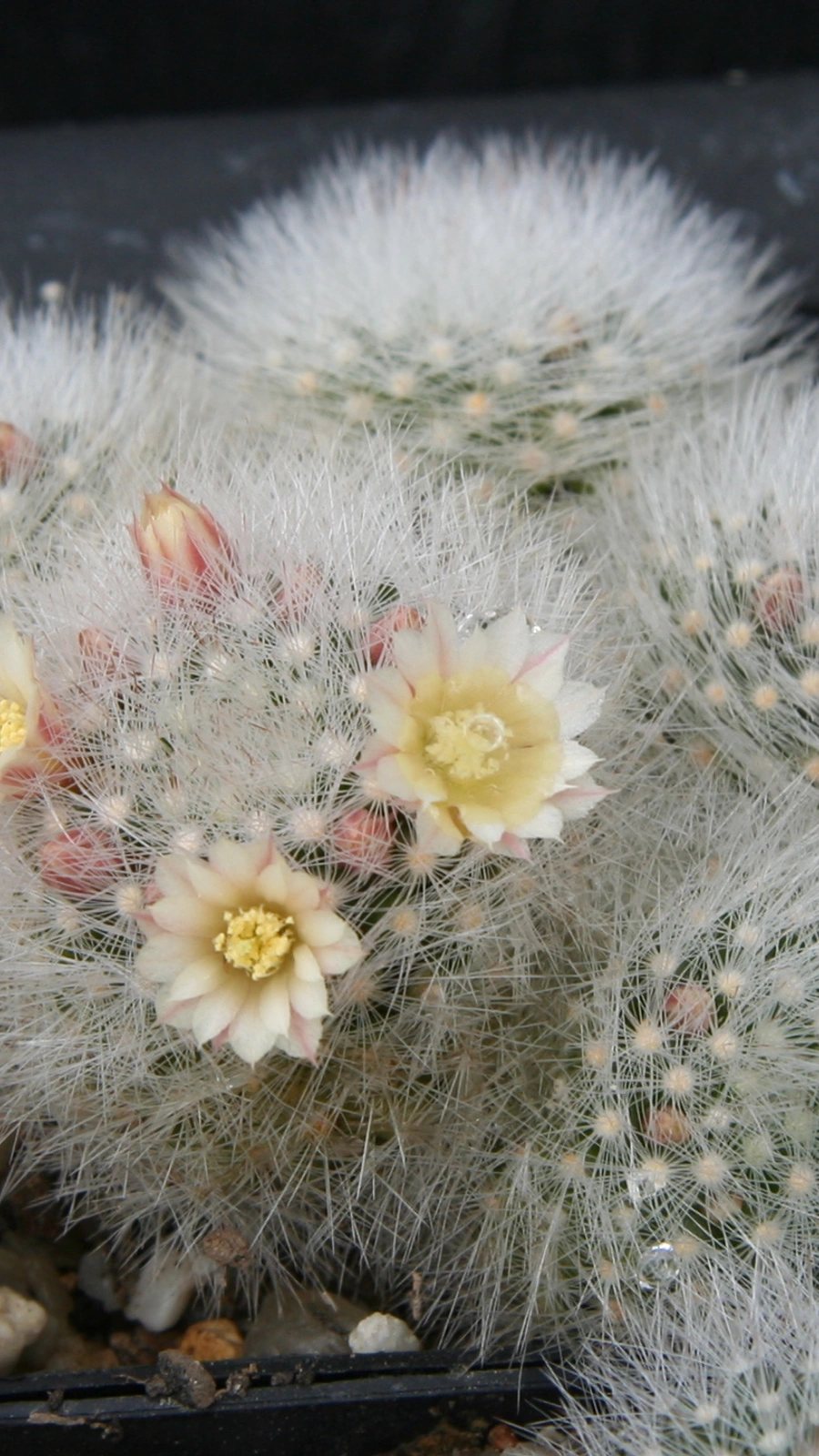
Mammillaria schwarzii is a small, highly decorative cactus species belonging to the Cactaceae family. It is heavily covered with dense, white, hair-like spines and is highly prized by collectors for its beautiful clustering habit 1. Despite its popularity in cultivation, it is critically endangered in the wild due to illegal over-collecting and habitat destruction.
This species was formally described by the German botanist Friedrich Ritter and named in honor of Fritz Schwarz, a prominent German cactus collector and exporter who operated in Mexico 2. It belongs to the large genus Mammillaria, characterized by its prominent tubercles and nipple-like structures.
Endemic to Mexico, specifically occurring in the states of Guanajuato and San Luis Potosí, this species grows in semi-arid environments. It thrives on steep limestone cliffs and rocky crevices, often seeking shelter under low shrubs or rocks to protect itself from intense midday sun 1.
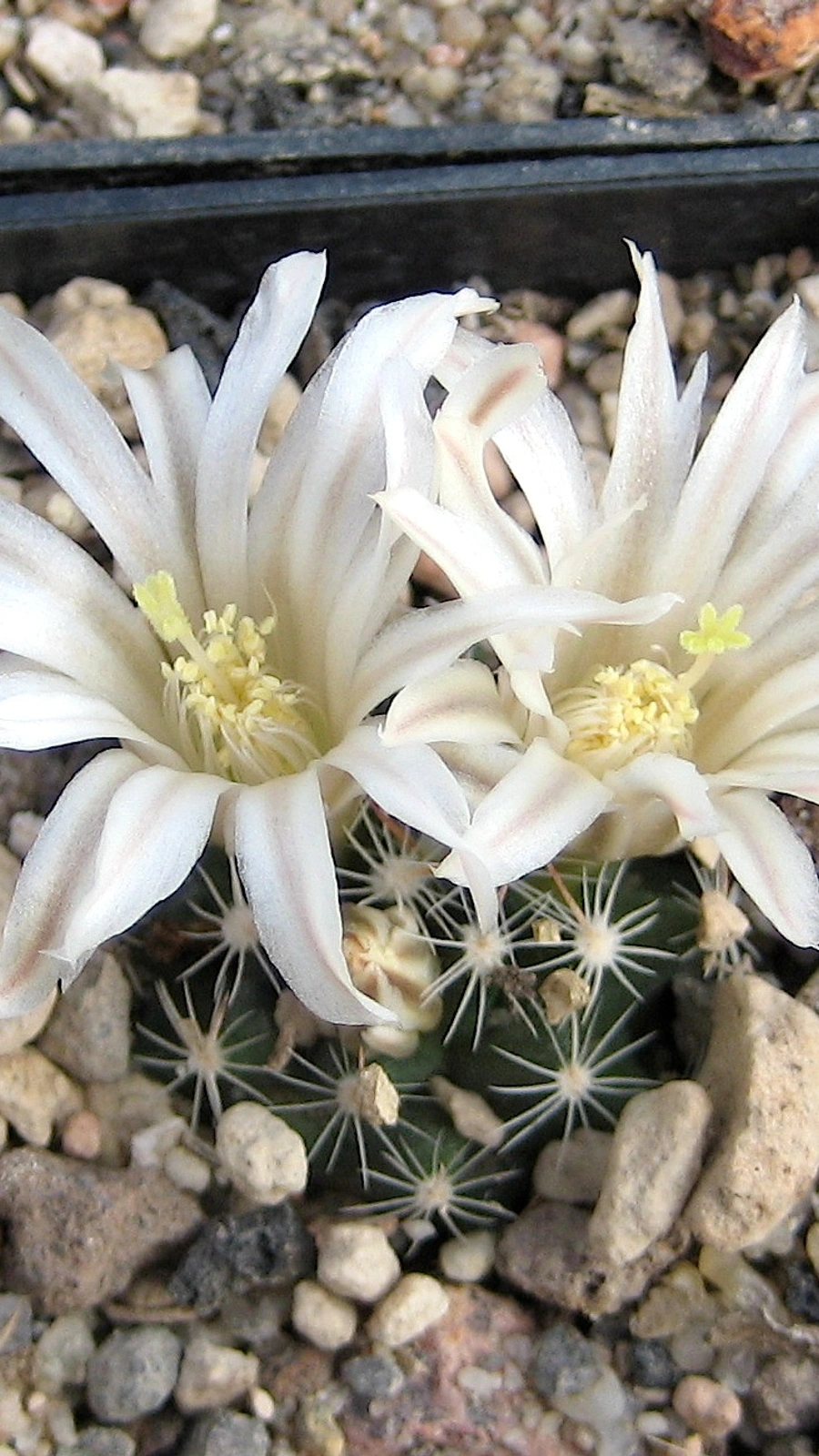
The stems are globose to short cylindrical, forming attractive dense mounds over time. Each tubercle bears up to 40 fine, soft, white radial spines that give the plant a fuzzy appearance. In late spring, it produces beautiful, bell-shaped, cream-white to pale pink flowers arranged in a ring near the stem apex 2.
In cultivation, Mammillaria schwarzii requires a highly porous, mineral-rich substrate and bright, filtered light. It is sensitive to excess moisture; water should be applied only when the soil is completely dry, and the plant must be kept dry in winter 2.
Watering during the dormant winter period is the most common cause of plant loss due to root rot. Additionally, keeping the plant in low-light conditions results in weak spine development and unnatural elongated growth.
Prefers bright, indirect light; protect from scorching summer sun.
Allow soil to dry out completely before watering; keep dry in winter.
Requires extremely well-draining, grit-rich, mineral-heavy cactus soil.
Non-toxic to pets and humans, but handle with care due to soft bristles.
Very easy to care for if watering is strictly controlled.
Found natively on limestone cliffs and rocky crevices in the semi-arid shrublands of central-northern Mexico, often shaded by desert vegetation.
