
Light
Bright Indirect Light
Thrives in bright indirect sunlight or direct morning sun for at least 4-6 hours daily.
 Reference image
 Reference image
Scripps' Pincushion Cactus
Mammillaria scrippsiana is a hardy, globular to short-cylindrical succulent subshrub belonging to the family Cactaceae, highly regarded for its geometric form and low-maintenance nature 1.
Described first by Joseph Nelson Rose, this species was named in honor of the Scripps family, known for their philanthropic support of botanical and scientific research. Within the massive Mammillaria genus, it is grouped among species with prominent woolly axils but lacking milky latex in the stems 1.
This species is native to western and central Mexico, spanning states such as Jalisco, Nayarit, Zacatecas, Sinaloa, and Guerrero 2. It thrives in dry deciduous shrublands and semi-desert habitats, typically growing on rocky volcanic slopes and cliff faces at elevations ranging from 900 to 2,000 meters above sea level 2.
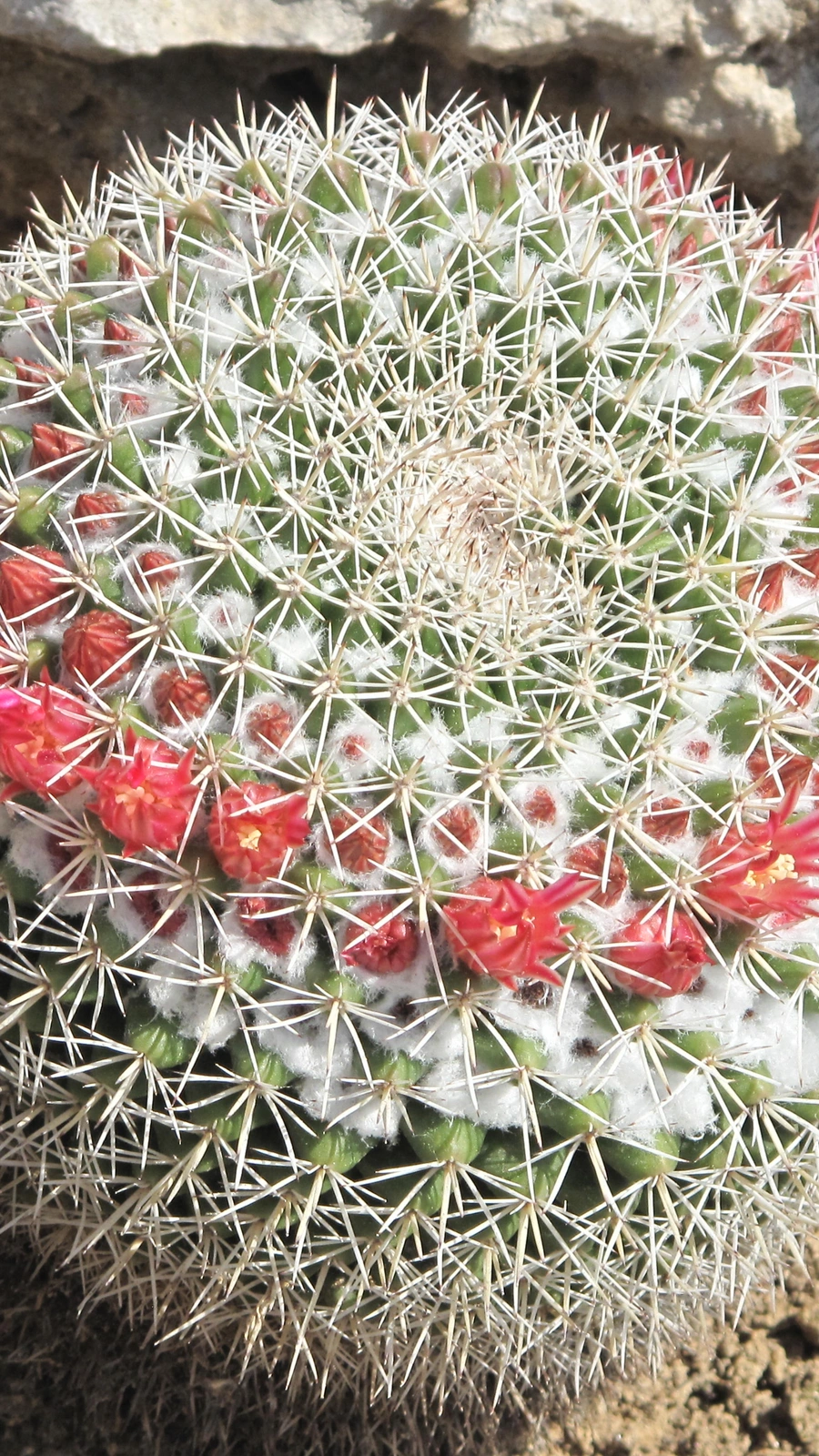
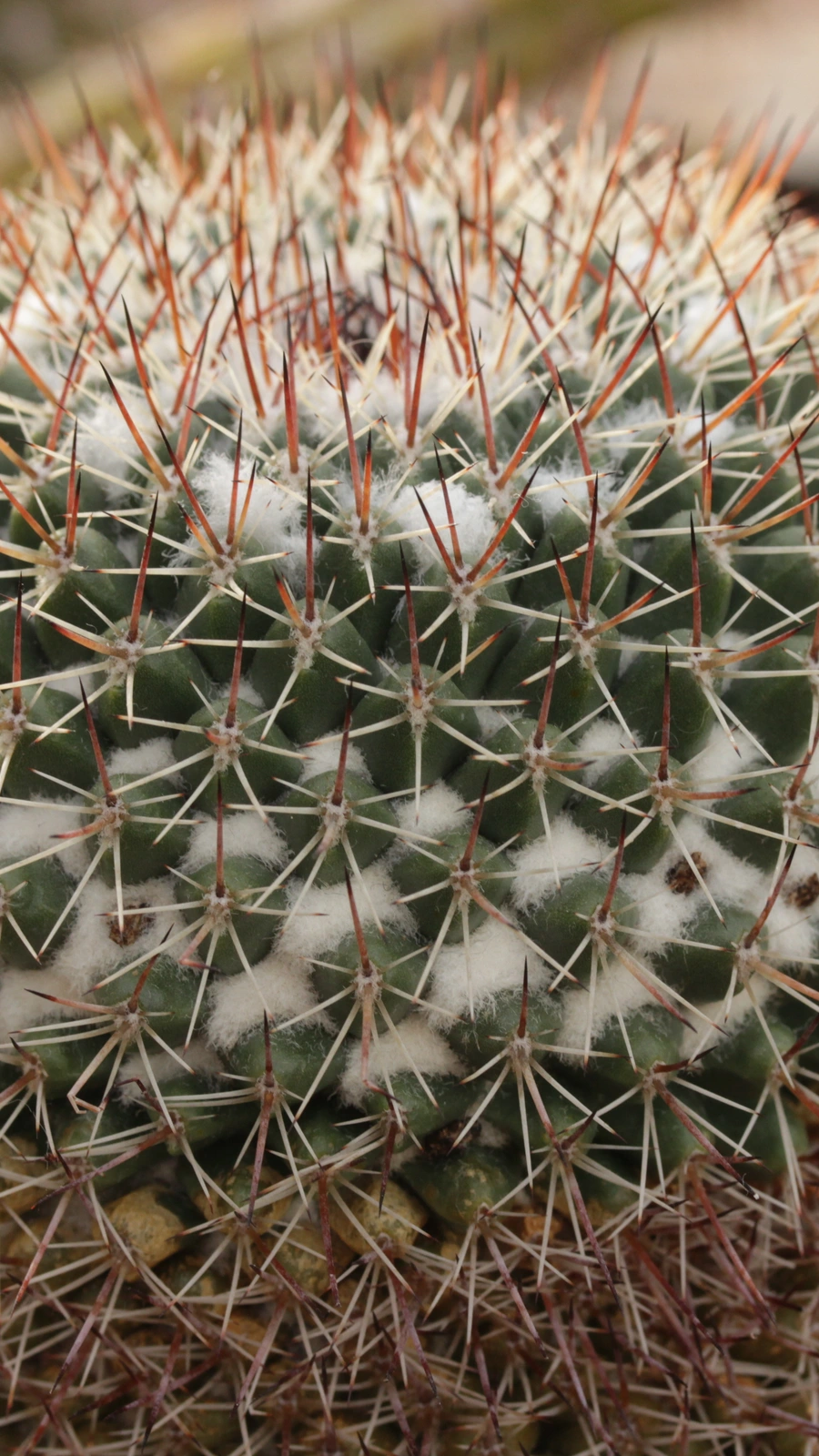
The stem is usually solitary, sometimes clustering with age, reaching up to 15 cm in height. Its pale green to bluish-green body is covered in conical tubercles. The axils between these tubercles are filled with dense, white wool. Spines are stout, with central spines showing reddish-brown to golden tips, while radial spines are paler. The flowers are small, funnel-shaped, cream to pale pinkish-yellow, and form a neat ring around the crown of the cactus 1.
In cultivation, it is an excellent plant for sunny windowsills and rock gardens. It requires exceptionally well-draining mineral soil and high light intensity to maintain its compact shape and woolly features. Watering must be sparse, following the soak-and-dry method, with a dry winter dormancy to encourage blooming in spring 2.
Overwatering is the primary cause of failure, leading to root rot. Keeping the cactus in dark rooms or warm indoor winter environments without dormancy prevents flowering and causes etiolation.
Thrives in bright indirect sunlight or direct morning sun for at least 4-6 hours daily.
Allow soil to dry out 100% between waterings. Restrict watering to almost zero in winter.
Prefers a mineral-heavy potting mix with coarse sand, pumice, and minimal organic matter.
Possesses sharp spines; handle with thick gardening gloves or tongs when repotting.
Extremely easy for beginners, provided they do not overwater the plant.
Native to the volcanic cliffs and dry shrubby hillsides of western and central Mexican states like Jalisco and Nayarit.
