
Light
Bright Indirect Light
Thrives in bright, indirect sunlight or partial direct sun; ideal for south or west-facing windows.
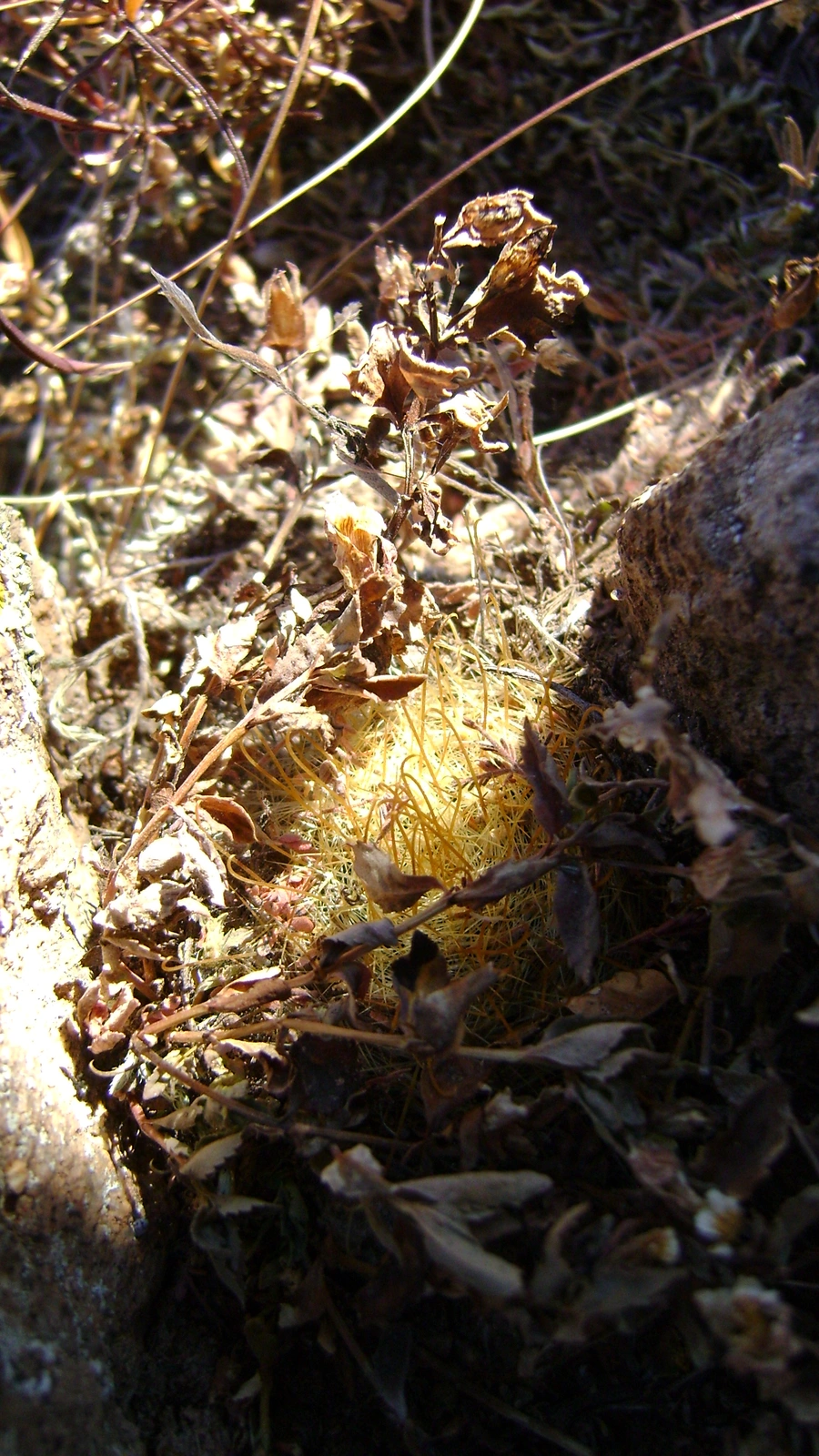 Reference image
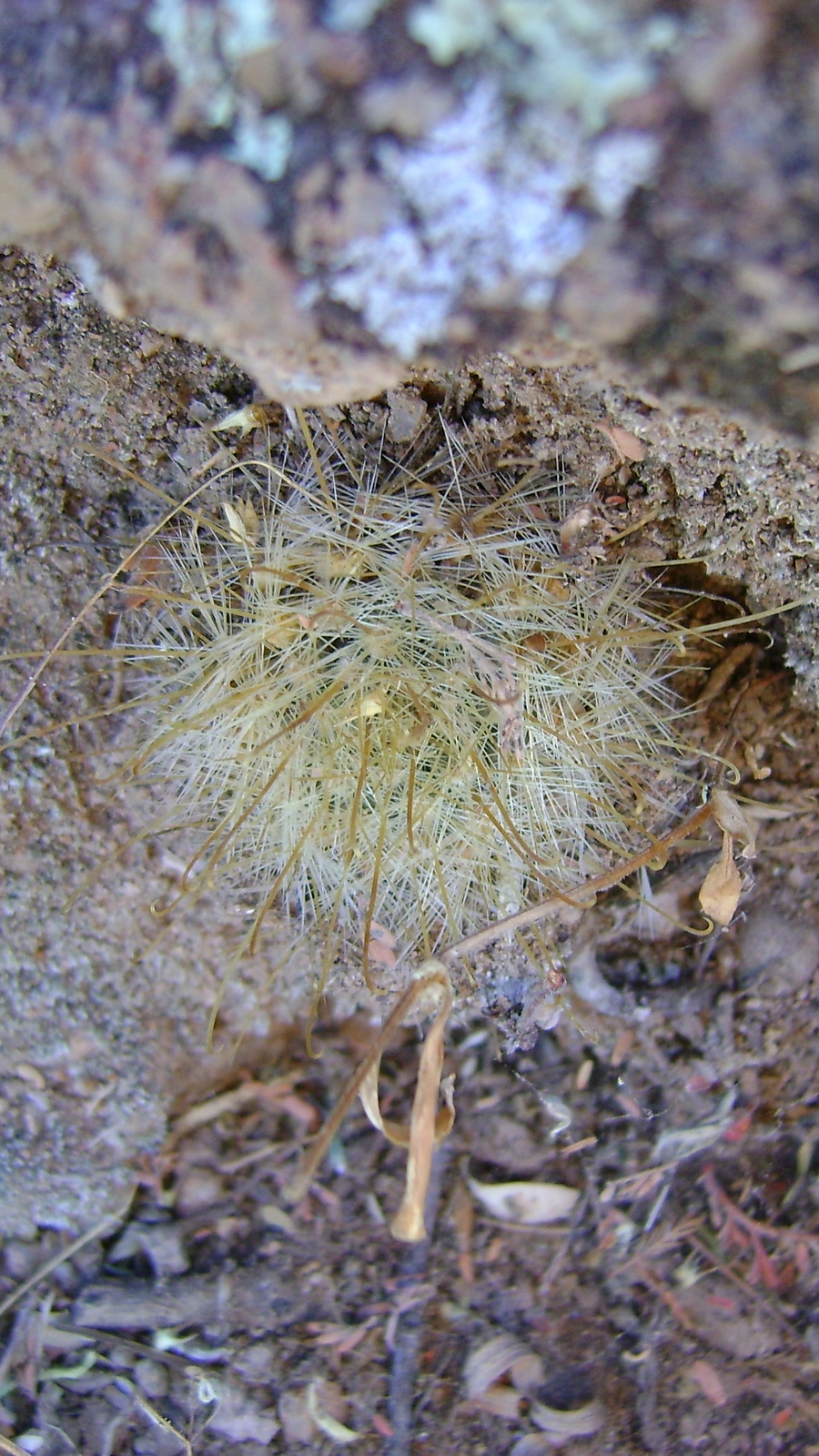 Reference image
Left-hooked Mammillaria
Mammillaria sinistrohamata is a small-stature, spiny succulent subshrub belonging to the species-rich genus Mammillaria within the Cactaceae family 1. Highly valued among succulent enthusiasts, this species is noted for its neat spherical form and peculiarly hooked central spines.
The specific epithet "sinistrohamata" is derived from the Latin roots "sinister" (left-sided) and "hamatus" (hooked) 2. This refers to the characteristic central spines of the plant, which distinctly hook toward the left. It shares close taxonomical affinities with Mammillaria pilispina.
This species is native to the arid deserts and dry shrublands of northern and central Mexico 1. It is frequently documented in states such as San Luis Potosí, Zacatecas, and Durango, typically establishing itself in limestone rock crevices, gravelly soils, and under the light shade of desert shrubs.
The stem is globose to briefly cylindrical, measuring about 4-7 cm in height. The plant body is green, divided into small tubercles. Areoles bear numerous fine, white radial spines that give the plant a woolly look, contrasted by stouter, yellowish-brown central spines with left-hooked tips 2. It produces delicate, funnel-shaped flowers in shades of cream, pale yellow, or light pink near the crown during spring.
In cultivation, Mammillaria sinistrohamata requires exceptional drainage and bright light conditions. Growing it in porous, mineral-rich substrates is crucial. It is highly drought-tolerant and benefits from a cold, dry winter dormancy period to encourage seasonal blooming.
The most prevalent issue is root rot induced by overwatering, particularly during winter. Lack of sufficient sunlight leads to etiolation, where the globose stem stretches unnaturally toward the light, weakening its structural integrity.
Thrives in bright, indirect sunlight or partial direct sun; ideal for south or west-facing windows.
Allow the potting medium to dry out completely before watering. Suspend watering in winter.
Requires highly porous mineral substrate containing pumice, perlite, and coarse sand.
Non-toxic to pets, but the sharp, left-hooked spines can easily snag on skin or fabric.
Very easy to care for, making it suitable for beginner cactus collectors.
Naturally distributed in the high-altitude semi-desert regions of North and Central Mexico, thriving on limestone hillsides, gravelly slopes, and dry shrublands across San Luis Potosí, Zacatecas, and surrounding states.
