
Light
Filtered Sun
Requires bright filtered sun or several hours of direct morning sunlight to retain its compact shape.
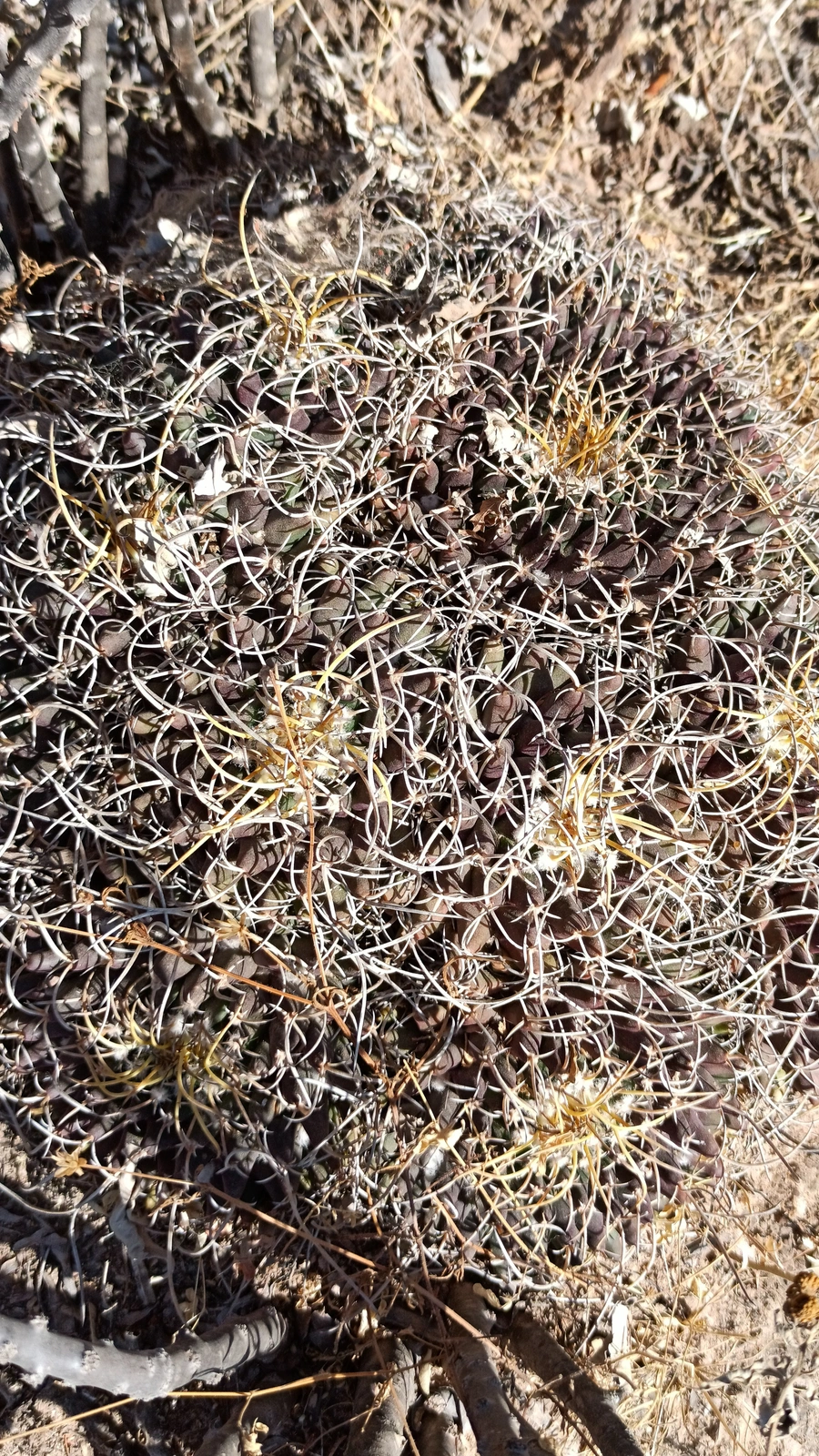 Reference image
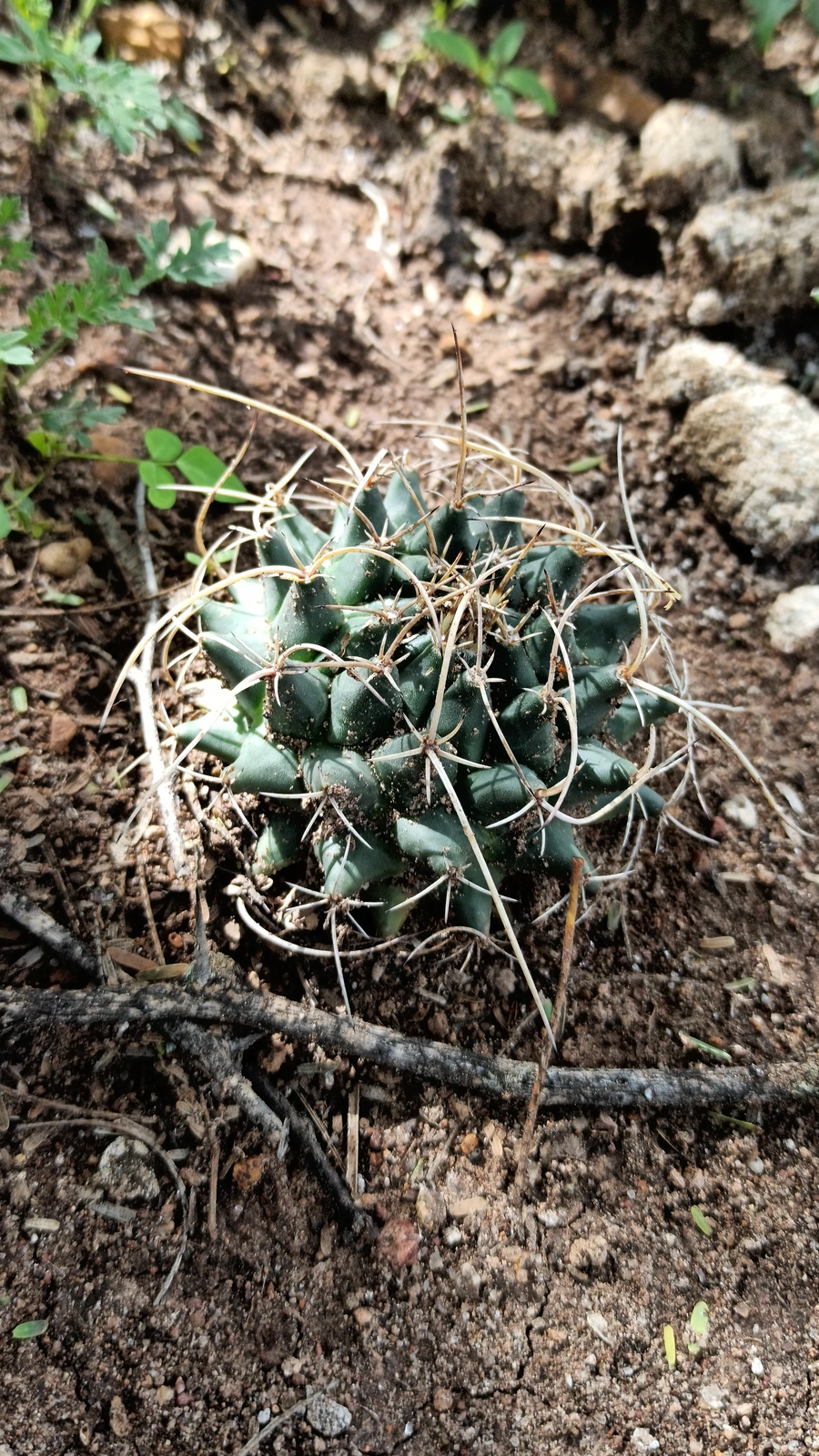 Reference image
Solitary Nipple Cactus
Mammillaria solitaria is a slow-growing cactus species within the family Cactaceae, characterized by its solitary, spherical growth habit 1. It is highly valued among collectors for its neat, geometric symmetry.
The specific epithet "solitaria" highlights its solitary growth form, rarely offsetting compared to other members of the Mammillaria genus 2. While some taxonomists associate it closely with wider complexes, it retains distinct horticultural interest.
This species is native to the semi-arid highlands of Mexico, where it thrives in rocky, limestone-rich soils 1. It is well-adapted to prolonged droughts and intense light.
It features a globose to slightly flattened stem covered in distinct tubercles. The areoles bear sharp, cream-to-greyish radial spines. In spring, it produces small, cream-colored or pale pink flowers arranged in a ring near the growing tip 2.
It requires bright filtered sun or direct light for at least six hours daily. A gritty, sharply-draining potting medium consisting of pumice, coarse sand, and minimal organic matter is essential 1. Water only when the substrate is dry, and suspend watering almost entirely during winter.
Overwatering is the primary cause of root rot in this species 2. Insufficient winter rest in warm, humid conditions can also prevent the cactus from setting buds for the following season.
Requires bright filtered sun or several hours of direct morning sunlight to retain its compact shape.
Allow soil to dry out 100% between waterings. Reduce watering to zero in winter.
Use a specialized gritty cactus mix high in mineral materials like pumice and sand.
Features sharp spines; handle with care and keep away from curious pets and children.
Very easy to care for, making it ideal for beginners who tend to forget watering.
Endemic to the arid slopes and limestone rock crevices of highland Mexico, where it grows under intense sunlight.
