
Light
Bright Indirect Light
Prefers bright, indirect light or morning sun; shield from harsh afternoon rays.
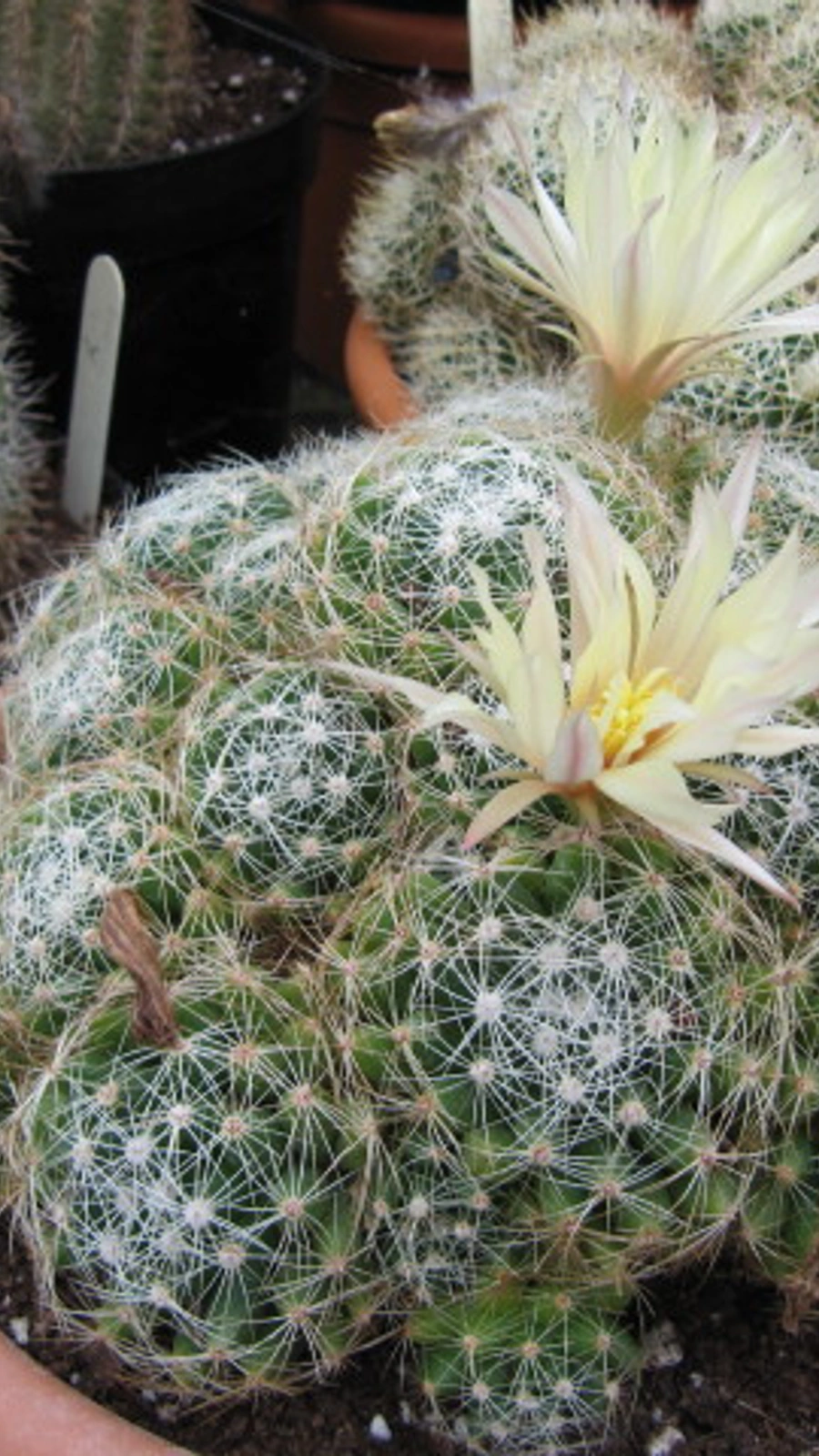 Reference image
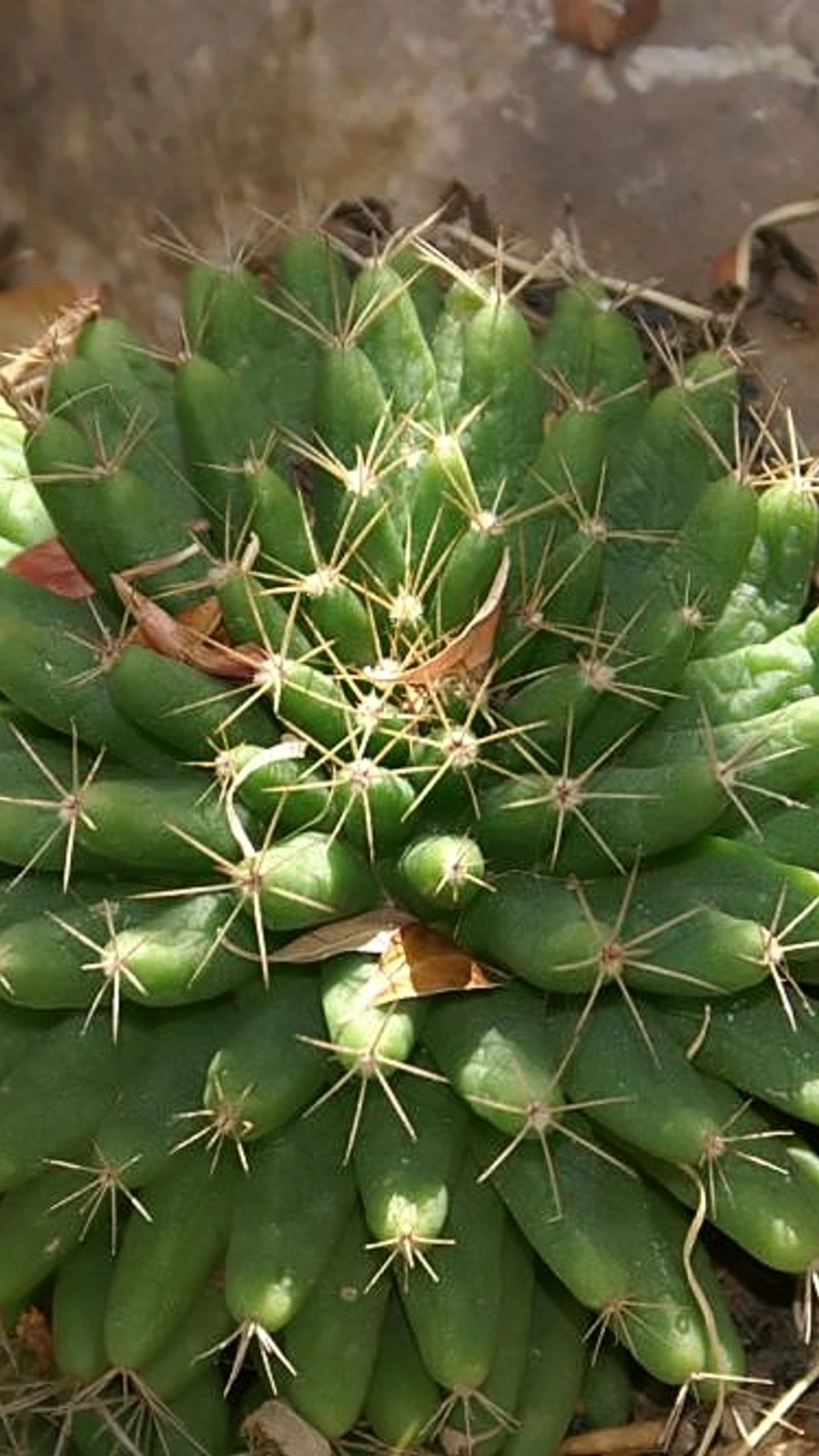 Reference image
Pale Globe Cactus
Mammillaria sphaerica, commonly known as the pale globe cactus, is a small, low-growing, clustering succulent plant belonging to the Cactaceae family. It is highly valued for its large, bright yellow flowers, which are exceptionally showy compared to most other species in the genus Mammillaria 1.
This species was first described by Albert Dietrich in 1836. The specific epithet 'sphaerica' refers to the spherical shape of its individual stems. It has been classified under various synonyms over time, including Mammillaria longimamma var. sphaerica 2.
Mammillaria sphaerica is native to South-Central USA (specifically southern Texas) and Northeastern Mexico (Tamaulipas, Coahuila, Nuevo León). It typically thrives in desert grasslands, dry scrublands, and gravelly limestone soils, often growing under the protective shade of nurse plants 1.
The stems are globose to slightly depressed-globose, forming dense, multi-headed clumps over time. The tubercles are prominent, long, and relatively soft. Radial spines range from 9 to 15 per areole, accompanied by a single central spine. The flowers are funnelform, lemon-yellow, fragrant, and can reach up to 5 cm in diameter 2.
This cactus prefers bright, indirect sunlight or partial shade. It requires a highly porous, mineral-rich potting medium with excellent drainage. Water thoroughly only when the soil has dried out completely. During winter dormancy, watering should be suspended almost entirely 1.
The most frequent issue is root rot caused by overwatering or poorly draining soil. Insufficient light leads to etiolation, causing the stems to stretch and weaken.
Prefers bright, indirect light or morning sun; shield from harsh afternoon rays.
Allow soil to dry out 100% between waterings. Reduce to a minimum in winter.
Use a specialized fast-draining cactus mix rich in mineral grits.
Non-toxic to pets, but has sharp spines that can cause mechanical injury.
Very easy to care for, making it excellent for beginners.
The species naturally occurs in the arid and semi-arid landscapes of southern Texas in the United States and extends southward into the dry shrublands of northeastern Mexican states.
