
Light
Bright Indirect Light
Requires at least 4-6 hours of bright, filtered sunlight daily.
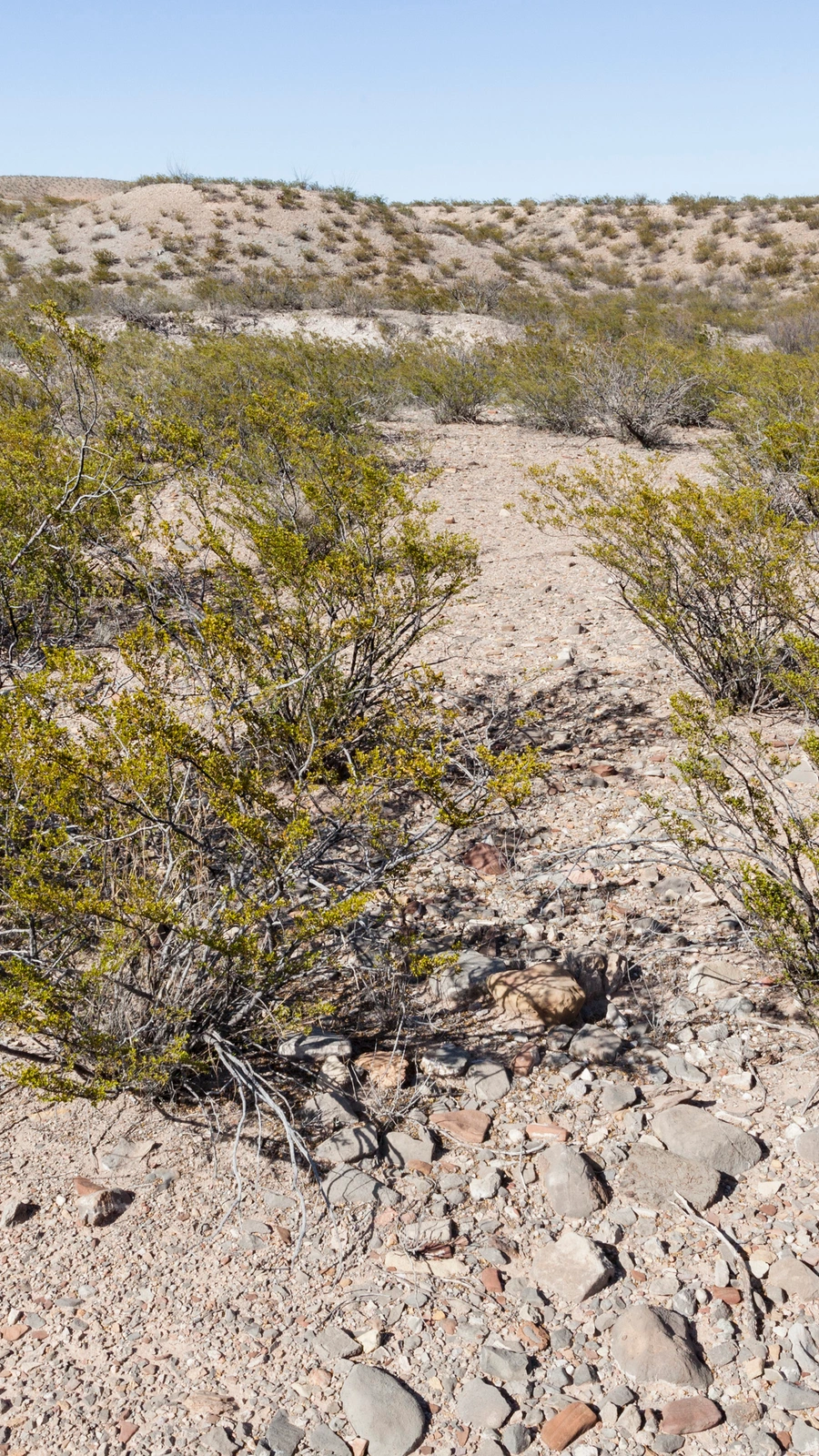 Reference image
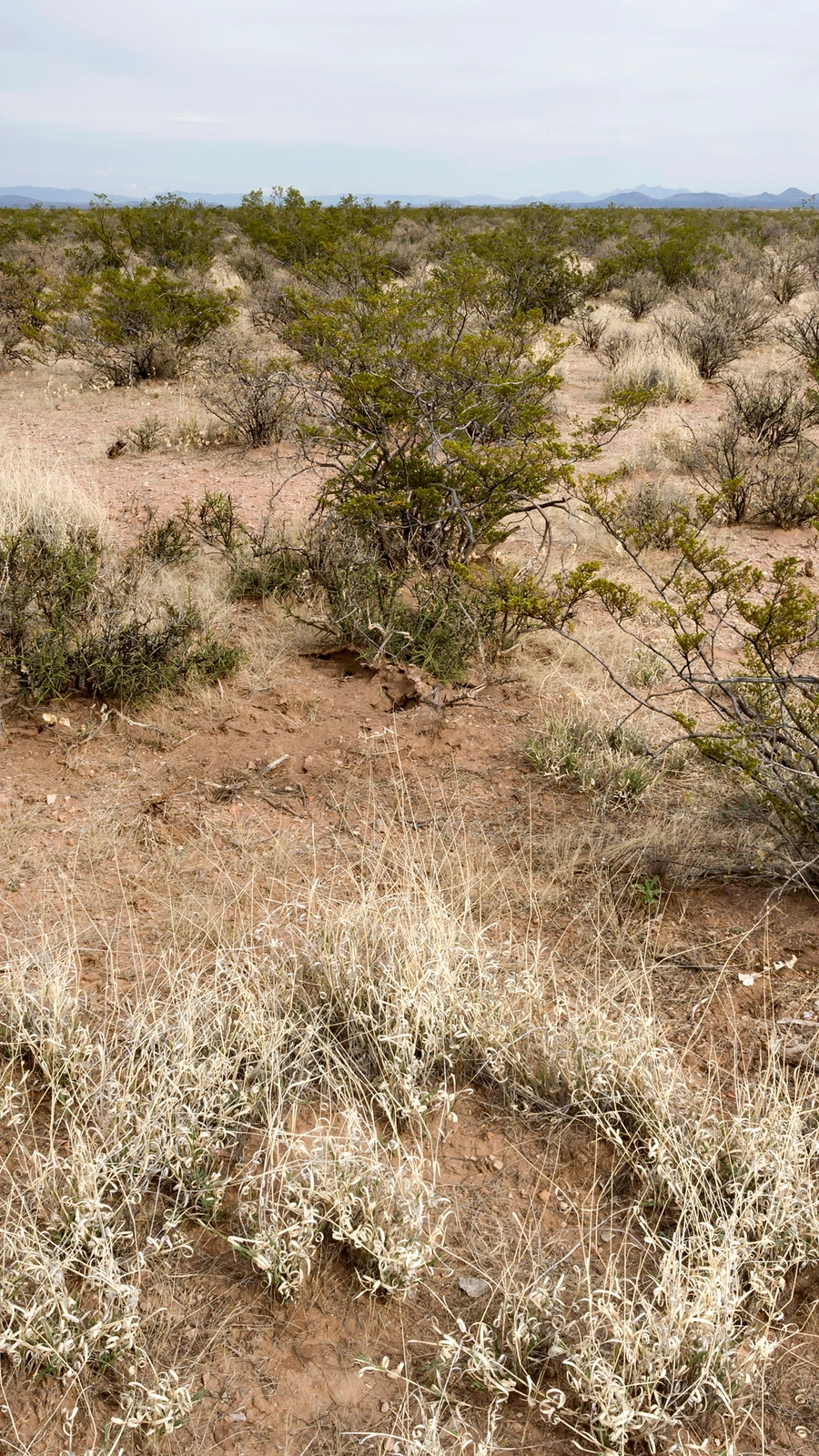 Reference image
Spiny Pincushion Cactus
Mammillaria spinosa, commonly known as the Spiny Pincushion Cactus, is a highly ornamental cactus species prized for its dense and colorful spine coverage. It is a staple in succulent collections worldwide 1.
This species was formally described by the German botanist Christoph Friedrich Otto. The specific epithet 'spinosa' refers to its heavily spined stem. It belongs to the genus Mammillaria within the family Cactaceae 2.
Mammillaria spinosa is endemic to Mexico, primarily found in the states of Guerrero and Michoacán 3. It thrives on steep volcanic rocky slopes and semi-arid scrublands, well-adapted to well-draining mineral soils.
Initially globose, the stem becomes cylindrical as the plant matures, reaching up to 30 cm in height. The dark green stem is densely covered in prominent tubercles. Each areole bears about 20-30 radial spines and several stouter, reddish-brown central spines. It produces a striking ring of bright pinkish-purple flowers near the crown during spring.
It prefers bright, indirect sunlight or direct morning sun. Overwatering is its main enemy; the soil must dry out completely between waterings. During winter dormancy, watering should be suspended. It thrives in porous, inorganic-rich soil mixes.
The most frequent cultivation errors include overwatering leading to root rot, inadequate light causing etiolation (stretching of the stem), and using pots without proper drainage holes.
Requires at least 4-6 hours of bright, filtered sunlight daily.
Water thoroughly only when the soil is completely dry. Keep dry in winter.
Use a specialized, fast-draining cactus mix enriched with pumice and grit.
Non-toxic to pets, but the sharp spines can cause physical injury.
Very easy; highly resilient if kept dry and given sufficient light.
Endemic to the mountainous volcanic regions of southwestern Mexico, growing in rocky fissures and dry shrublands.
