
Light
Direct Sun
Requires full sun to bright, direct light. South-facing windows are highly recommended.
 Reference image
 Reference image
Taylor's Nipple Cactus
Mammillaria tayloriorum is a perennial, succulent subshrub belonging to the Cactaceae (cactus) family. Exhibiting remarkable adaptation to arid landscapes, it is highly valued by collectors for its compact structure and dense spination.
The species was taxonomically established within the vast genus Mammillaria, which derives its name from the Latin word mammilla (nipple or teat), referring to the characteristic tubercle structure of the stem 1. The specific epithet tayloriorum honors the prominent botanical collectors and researchers of the region 2.
This species is native to Mexico, specifically found in the state of Sonora and nearby islands within the Gulf of California 1. It thrives in desert biomes and dry shrublands, typically colonizing rocky volcanic slopes, gravelly terrains, and crevices where drainage is extremely rapid and water retention is minimal 2.
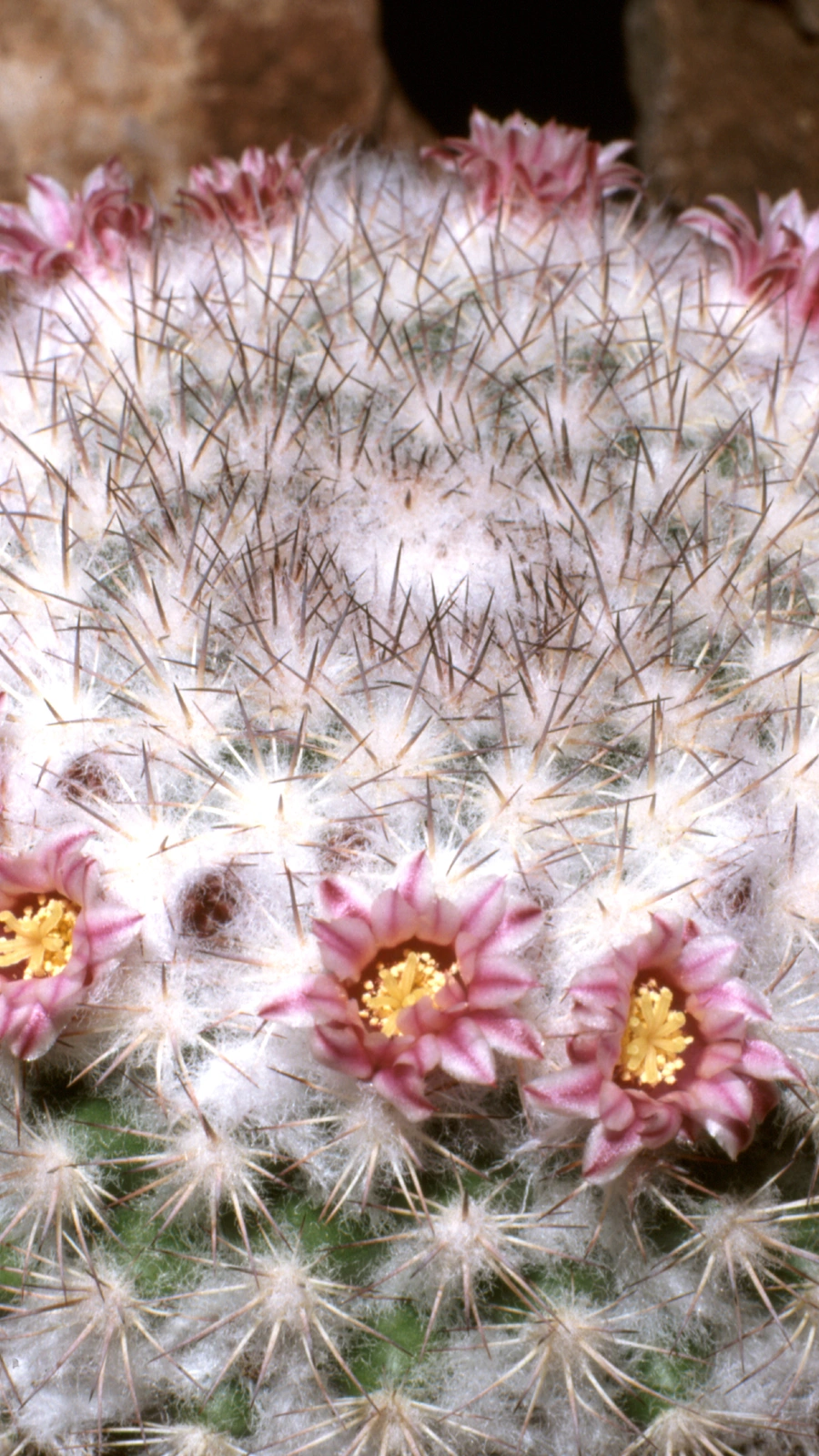
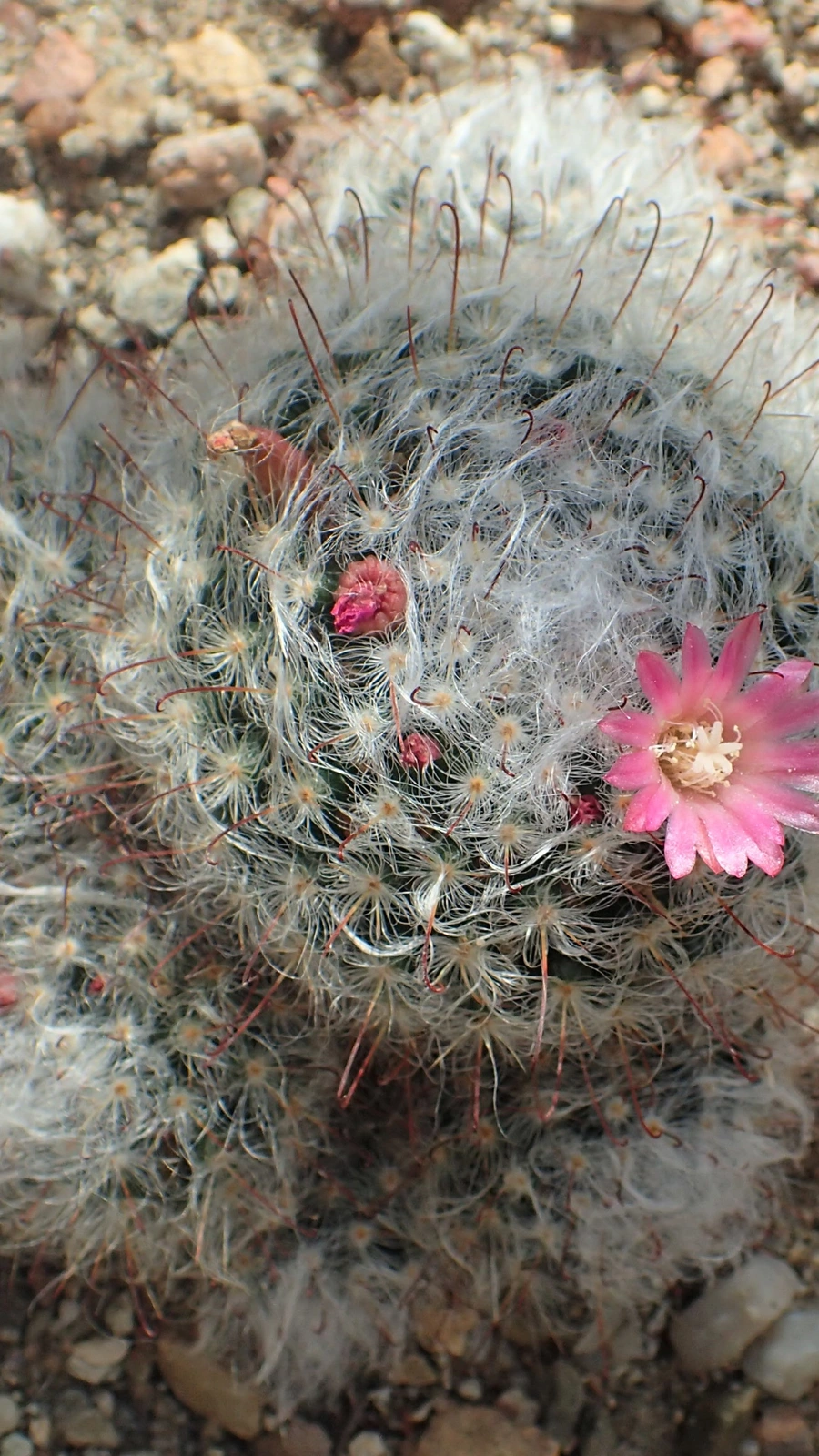
Mammillaria tayloriorum features a globose to shortly cylindrical, pale green to bluish-green stem that mostly grows solitary but may offset with age. The pyramidal tubercles are crowned with woolly white areoles from which sharp, needle-like spines radiate. The spines emerge in reddish-pink or tan hues and mature to a chalky grey. Small, ring-forming pink to magenta flowers appear near the crown during spring.
In cultivation, it demands a highly porous mineral substrate and maximum solar exposure to preserve its compact shape and intense spine coloration. Watering must follow a soak-and-dry cycle during spring and summer, reverting to total drought throughout the winter dormancy period.
The most prevalent error is overwatering, particularly in poorly aerated, organic soils, which inevitably causes fatal root rot 2. Insufficient winter cooling also prevents successful flower bud initiation for the subsequent season.
Requires full sun to bright, direct light. South-facing windows are highly recommended.
Water on a strict soak-and-dry basis. Keep completely dry in winter.
Use a specialized, mineral-heavy cactus mix enriched with pumice and coarse grit.
Features sharp spines. Non-toxic, but should be kept out of reach of pets and children to avoid physical injury.
Very easy for beginners, provided that dry winter conditions and excellent soil drainage are maintained.
Endemic to the extremely arid and sunny volcanic cliffs of Sonora and the Gulf of California islands in northwestern Mexico.
