
Light
Bright Indirect Light
Bright indirect light or filtered sun; shield from harsh, direct midday summer sun.
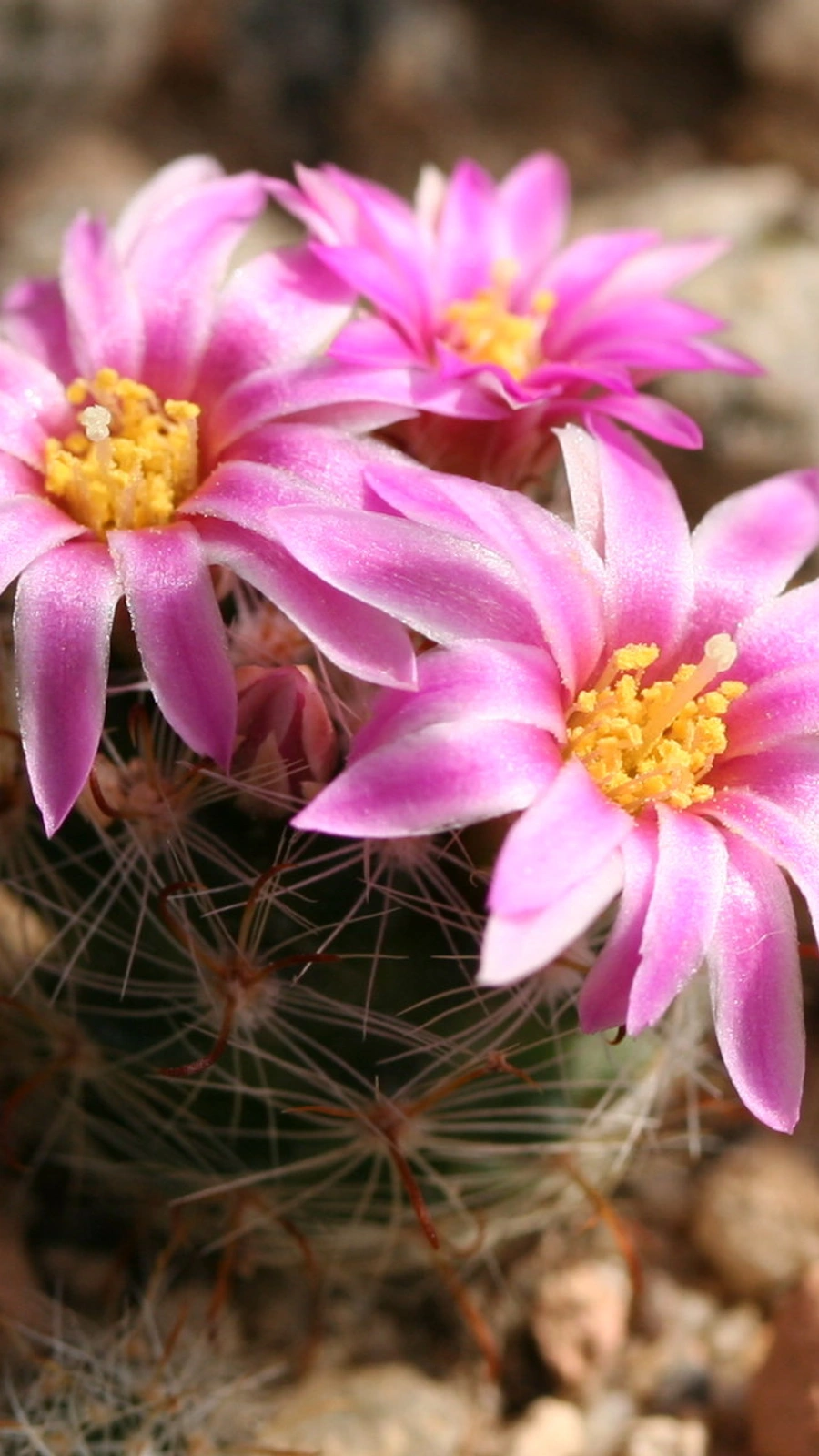 Reference image
Tepexic Pincushion Cactus
Mammillaria tepexicensis is an endangered, highly sought-after miniature cactus species belonging to the family Cactaceae. Due to its extremely limited natural range and habitat loss, it is highly prized by succulent collectors and critically protected 1.
First formally described by J. Meyrán, this species belongs to the diverse genus Mammillaria. The specific epithet "tepexicensis" directly references the Tepexic canyon area in Oaxaca, Mexico, where the botanical type specimen was initially discovered 2.
This species is micro-endemic to southern Mexico, specifically native to the state of Oaxaca. It grows on steep limestone cliffs and rocky outcroppings, a harsh vertical environment that provides excellent runoff and keeps the root zone dry 1.
Mammillaria tepexicensis is a globose to depressed-globose, slow-growing succulent subshrub. Its solitary green stem features prominent tubercles tipped with dense, radiating radial spines in shades of white or pale grey. Bell-shaped flowers appear in a ring near the crown, exhibiting beautiful pink to deep magenta hues.
In cultivation, this species demands an exceptionally porous, mineral-rich potting medium to prevent water retention. Water sparingly during the spring and summer active growth phase only when the soil has dried out completely. Overwintering should be kept strictly dry and cool.
The most frequent mistakes include using standard peat-heavy potting soils and watering during winter dormancy. Lack of bright light leads to etiolation, stretching the natural globose form of the cactus.
Bright indirect light or filtered sun; shield from harsh, direct midday summer sun.
Water strictly on a soak-and-dry method during spring and summer; keep entirely dry in winter.
Highly gritty mix dominated by pumice, perlite, and coarse sand with minimal organic soil.
Non-toxic to pets, but the small spines can cause minor mechanical injury if handled carelessly.
Moderate care level due to extreme sensitivity to overwatering and root rot.
Endemic to the steep, rocky limestone cliffs of the Tepexic canyon region in Oaxaca, Mexico. It thrives in vertical crevices where water drains away instantly.
