
Light
Direct Sun
Requires at least 6 hours of direct sun daily. Etiolation occurs in low light.
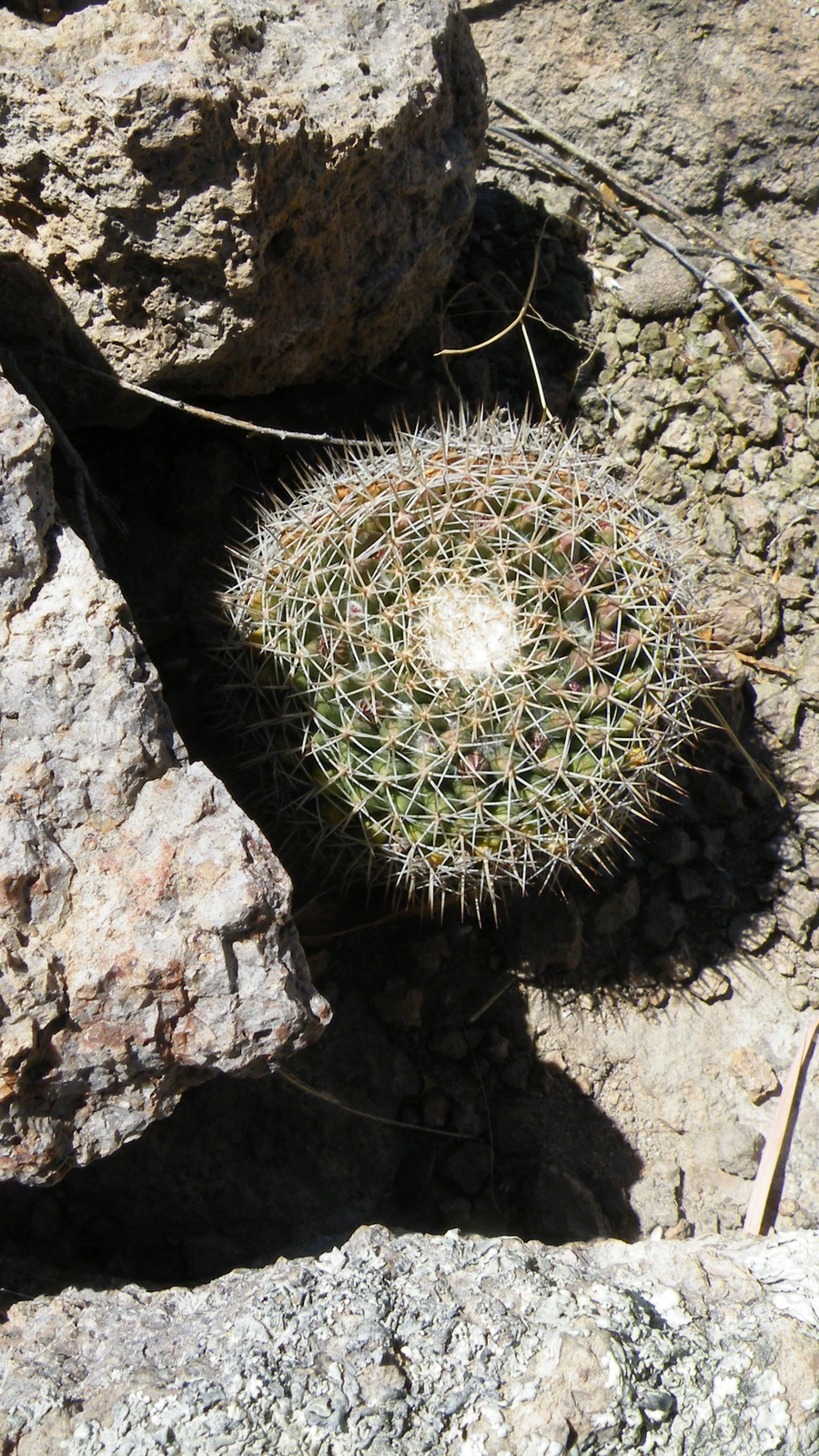 Reference image
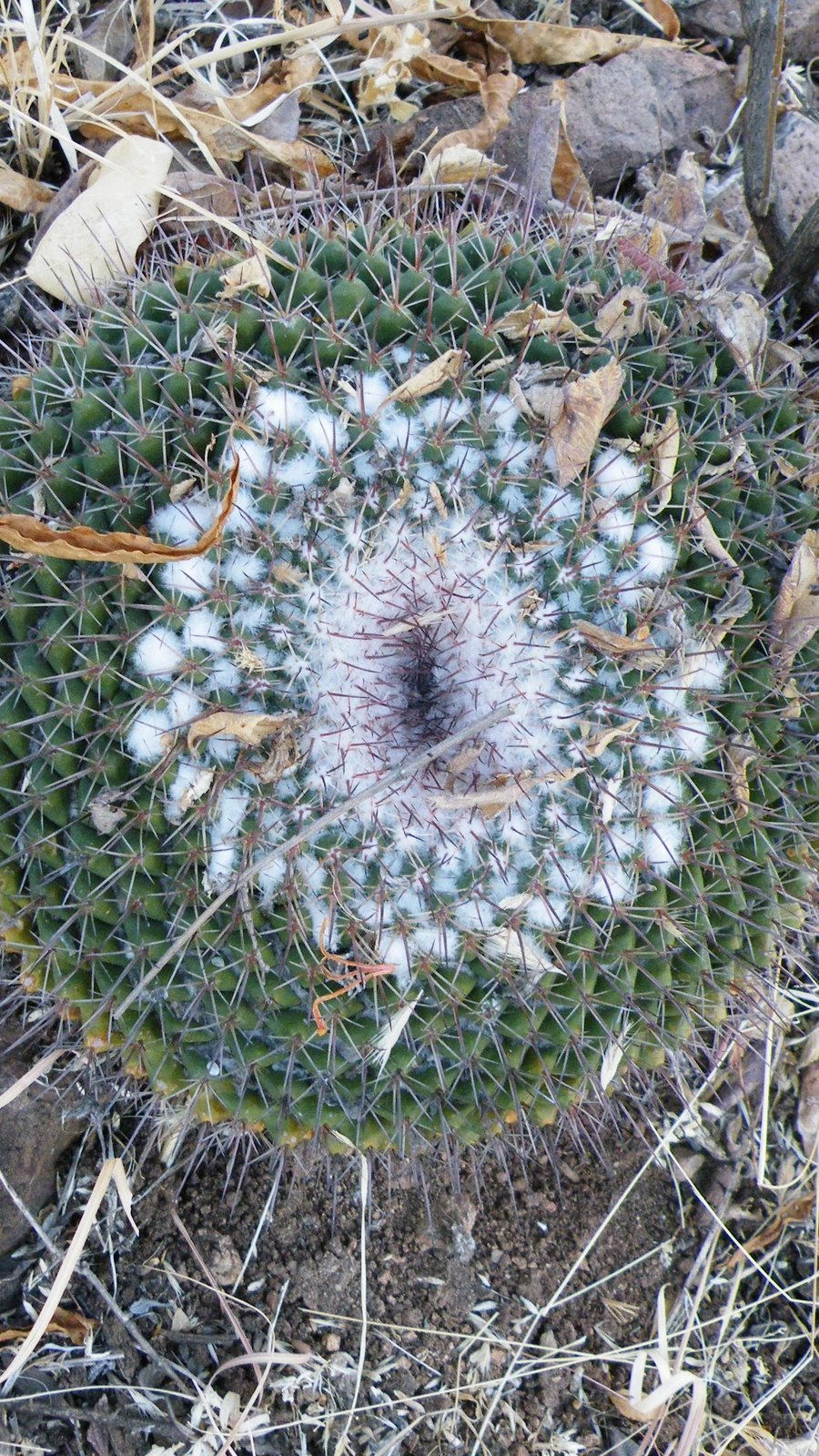 Reference image
Wagner's Nipple Cactus
Mammillaria wagneriana is a succulent subshrub in the Cactaceae family, belonging to the species-rich genus Mammillaria. Extremely well-adapted to harsh arid conditions in its native environment, it is highly valued by collectors for its geometric spine arrangement and rings of delicate cream-to-pink flowers 1.
The genus name Mammillaria derives from the Latin word for 'nipple', referring to the characteristic tubercle structures covering the plant. The specific epithet 'wagneriana' honors a European discoverer or plant collector named Wagner who brought the species to the attention of botanists in the 19th century 2.
Mammillaria wagneriana is endemic to Mexico. It is widely distributed across arid and semi-arid regions, including Aguascalientes, Zacatecas, San Luis Potosí, Jalisco, Querétaro, and Michoacán. It thrives in deserts and dry shrublands, typically growing on rocky volcanic slopes and limestone outcrops 1.
The stem is initially globose, later becoming shortly cylindrical with age. The epidermis ranges from light green to dull grey-green. Tubercles are prominent and contain milky latex. Areoles bear robust, slightly curved radial and central spines that are creamish-tan with dark tips. Flowers are produced in a ring near the crown of the stem, exhibiting pale yellow or pinkish-cream petals with darker midstripes 2.
In cultivation, it is a hardy and easy-to-grow cactus. It requires maximum sunlight and a gritty, porous soil mixture. Watering should be deep but infrequent during the spring and summer active growth seasons, followed by a dry rest period in winter 3.
Overwatering is the primary cause of failure, quickly leading to root and stem rot. Lack of adequate sunlight causes etiolation, where the stem stretches unnaturally toward the light source 3.
Requires at least 6 hours of direct sun daily. Etiolation occurs in low light.
Water only when the substrate is bone dry. Keep dry in winter.
Use a specialized cactus mix amended with 40% pumice or perlit for drainage.
Has sharp spines and mildly irritating latex; keep away from curious pets.
Excellent for beginners due to its high tolerance for underwatering.
Naturally occurs in high-altitude dry shrublands and rocky deserts across Aguascalientes, Zacatecas, and Jalisco, growing nestled among limestone and volcanic stones.
