
Light
Bright Indirect Light
Requires bright, filtered sunlight; protect from intense midday summer sun.
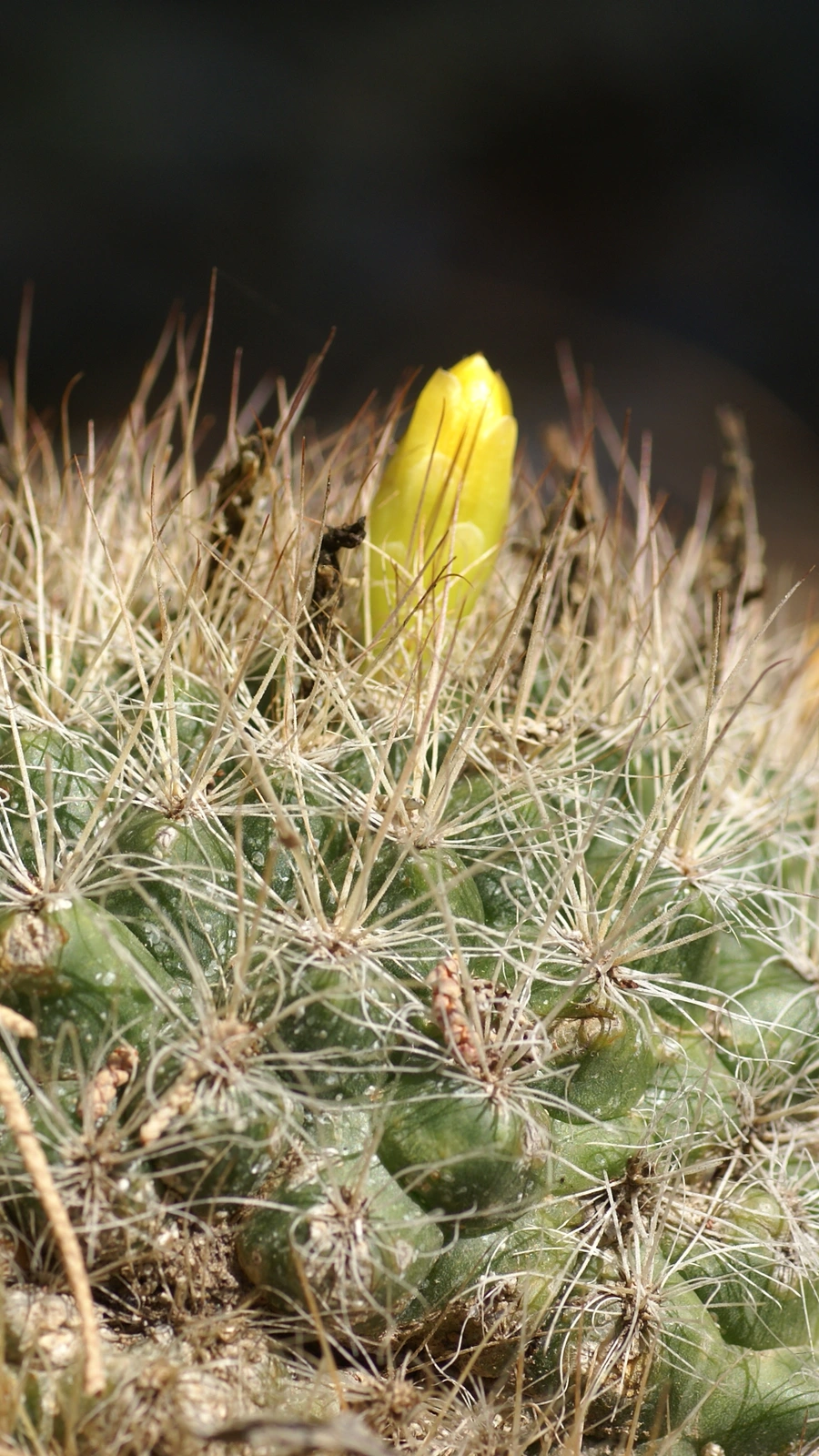 Reference image
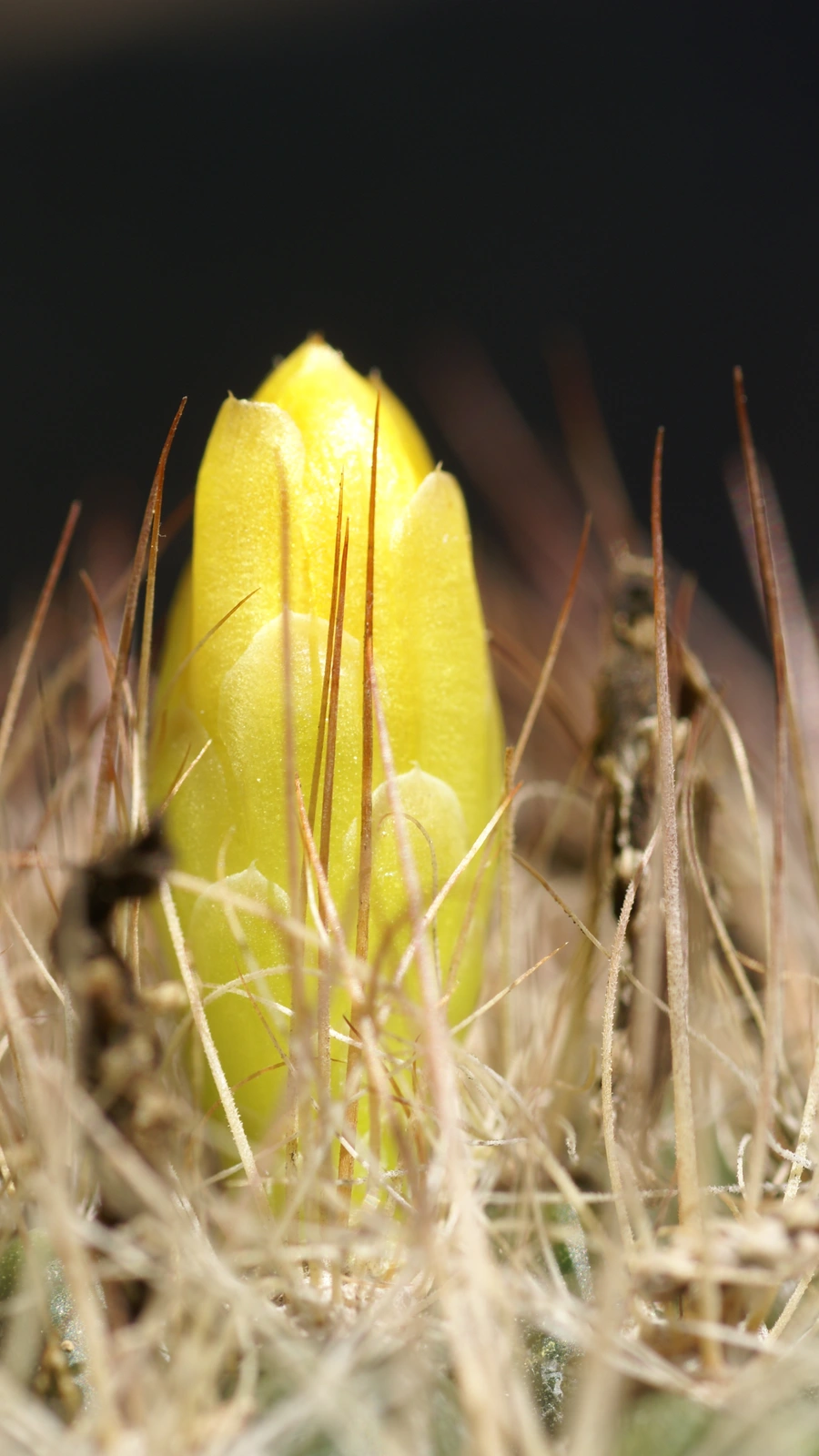 Reference image
Weingart's Nipple Cactus
Mammillaria weingartiana is a highly sought-after, small-sized succulent subshrub belonging to the family Cactaceae. Adapted to harsh, arid desert conditions, this slow-growing species is treasured by succulent collectors for its delicate spination and neat growth habit.
The species is named in honor of Wilhelm Weingart, a prominent German botanist and cactus specialist 1. Belonging to the vast genus Mammillaria, it shares the characteristic feature of having its spines arranged on distinct tubercles (nipple-like projections) rather than ribs 2.
Mammillaria weingartiana is endemic to the arid regions of northern and central Mexico. It thrives in desert habitats and dry shrublands, typically growing in the crevices of limestone rocks in states such as Nuevo León, Coahuila, and San Luis Potosí, where it endures intense sun and prolonged droughts 1.
The stem of this cactus is usually globose to slightly depressed-globose, turning cylindrical with age. The tubercles are conical, bearing fine, slightly curved brownish-yellow central spines surrounded by numerous radiating white radial spines. In spring, it produces small, funnel-shaped flowers, cream-yellow to pale pink in color, near the crown of the plant 2.
Cultivating Mammillaria weingartiana requires caution due to its sensitivity to excess moisture. It demands a highly mineralized, fast-draining substrate. During the active growing season, it prefers bright, filtered sunlight. In winter, the plant must be kept completely dry and in a cool environment to encourage dormancy 1.
The most prevalent issue is overwatering, especially during the cold winter months. Lack of drainage and heavy, organic-rich soil mixes will rapidly lead to root rot, causing the plant to collapse from the base upwards 2.
Requires bright, filtered sunlight; protect from intense midday summer sun.
Water thoroughly only when the soil is dry. Keep completely dry in winter.
Mineral-rich cactus soil mixed with pumice, grit, and limestone chips.
Non-toxic, but the small, sharp spines can cause skin irritation.
Moderate. Demands careful watering and excellent drainage to prevent rot.
Native to the dry deserts and semi-arid shrublands of northern and central Mexico, particularly found growing on limestone slopes in regions such as Nuevo León and Coahuila.
