
Light
Bright Indirect Light
At least 4-6 hours of filtered sun or very bright indirect light.
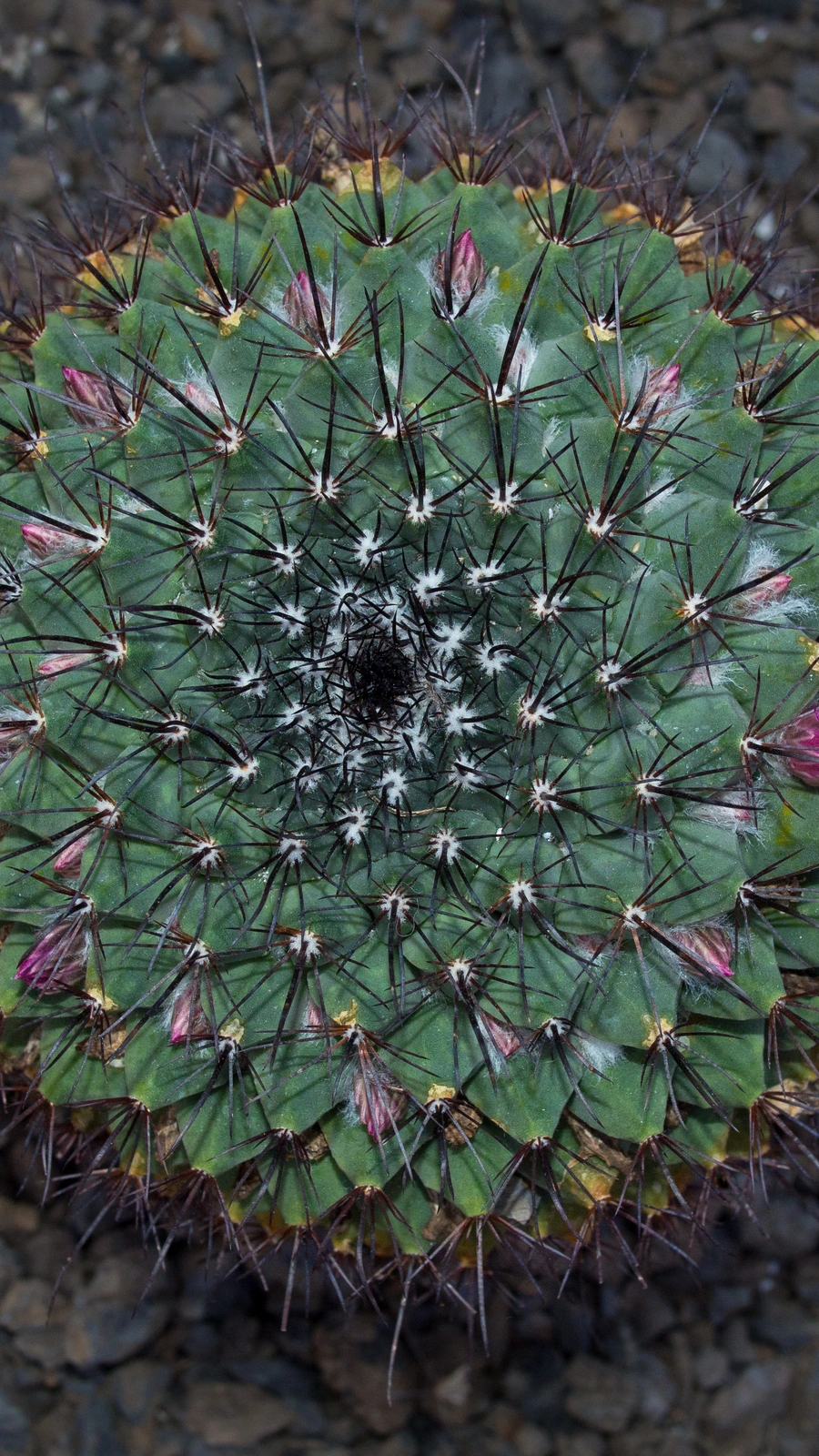 Reference image
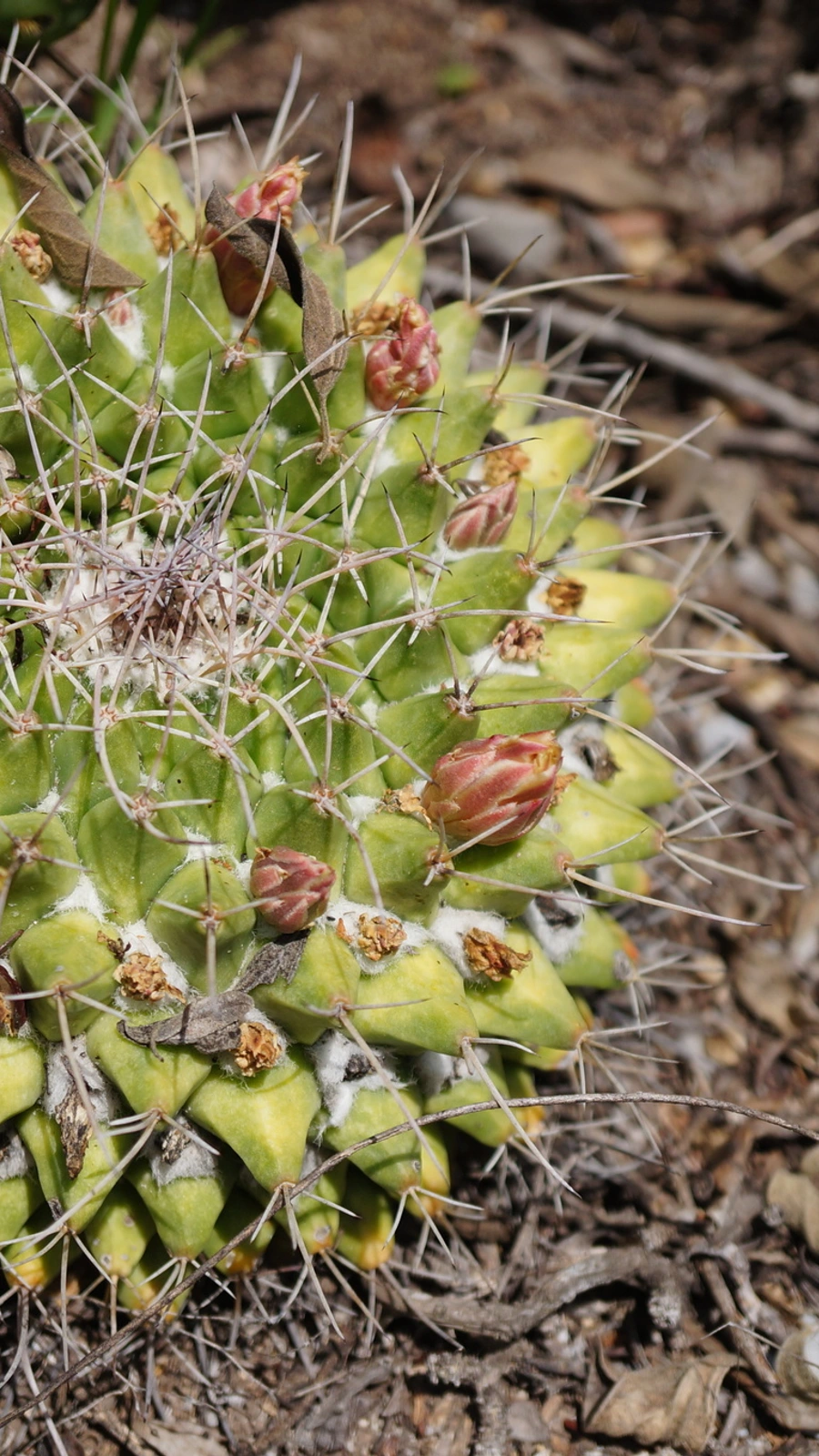 Reference image
Winter's Nipple Cactus
Mammillaria winterae is an attractive and hardy succulent subshrub belonging to the Cactaceae family. Highly adapted to arid environments, it is appreciated by collectors for its geometric tubercle structure and delicate crown of pale yellow blossoms 1. It typically grows as a solitary stem but may slowly offset from the base as it matures.
Described botanically as Mammillaria winterae Boed., the species epithet honors Hildegarda Winter, a prominent German plant nurserywoman of the 20th century. The genus name Mammillaria is derived from the Latin 'mammilla', meaning nipple, referring to the characteristic tubercular bumps covering the plant body 2.
Native to northeastern and central Mexico, Mammillaria winterae is found in dry shrublands and desert biomes across states such as Nuevo León, Coahuila, Tamaulipas, and San Luis Potosí 1. It thrives on limestone slopes, rocky outcrops, and sparse grasslands under full to partial sun, showing high resilience to rocky soils and prolonged drought.
The plant has a globose to depressed-globose stem, dark green to gray-green in color. The surface is organized into prominent, four-sided pyramidal tubercles. Areoles bear stiff, yellowish-brown radial spines and occasionally central spines. In late spring and summer, it produces funnelform flowers near the stem apex, colored cream-yellow with subtle brownish-pink midstripes 2.
In cultivation, Mammillaria winterae requires a very porous, mineral-rich potting medium with excellent drainage. It prefers bright, filtered sunlight to retain its compact shape and promote flowering. Water thoroughly during the active spring and summer growth phases, allowing the soil to dry completely between waterings, and keep completely dry in winter.
The most prevalent issue is waterlogged soil due to poor drainage, which rapidly leads to root and stem rot. Lack of adequate light causes the plant to become etiolated (stretched) and weakens its natural immune response against pests 1.
At least 4-6 hours of filtered sun or very bright indirect light.
Allow soil to dry out completely. Keep dry in winter.
Gritty, mineral-rich cactus mix with pumice and sand.
Spiny stems can cause physical injury. Keep away from pets and children.
Very easy to maintain, but highly sensitive to overwatering.
Native to the rocky limestone hills, grasslands, and semi-arid desert shrublands of northeastern and central Mexico.
