
Light
Bright Indirect Light
Thrives in bright, filtered light. Protect from intense, direct midday summer sun.
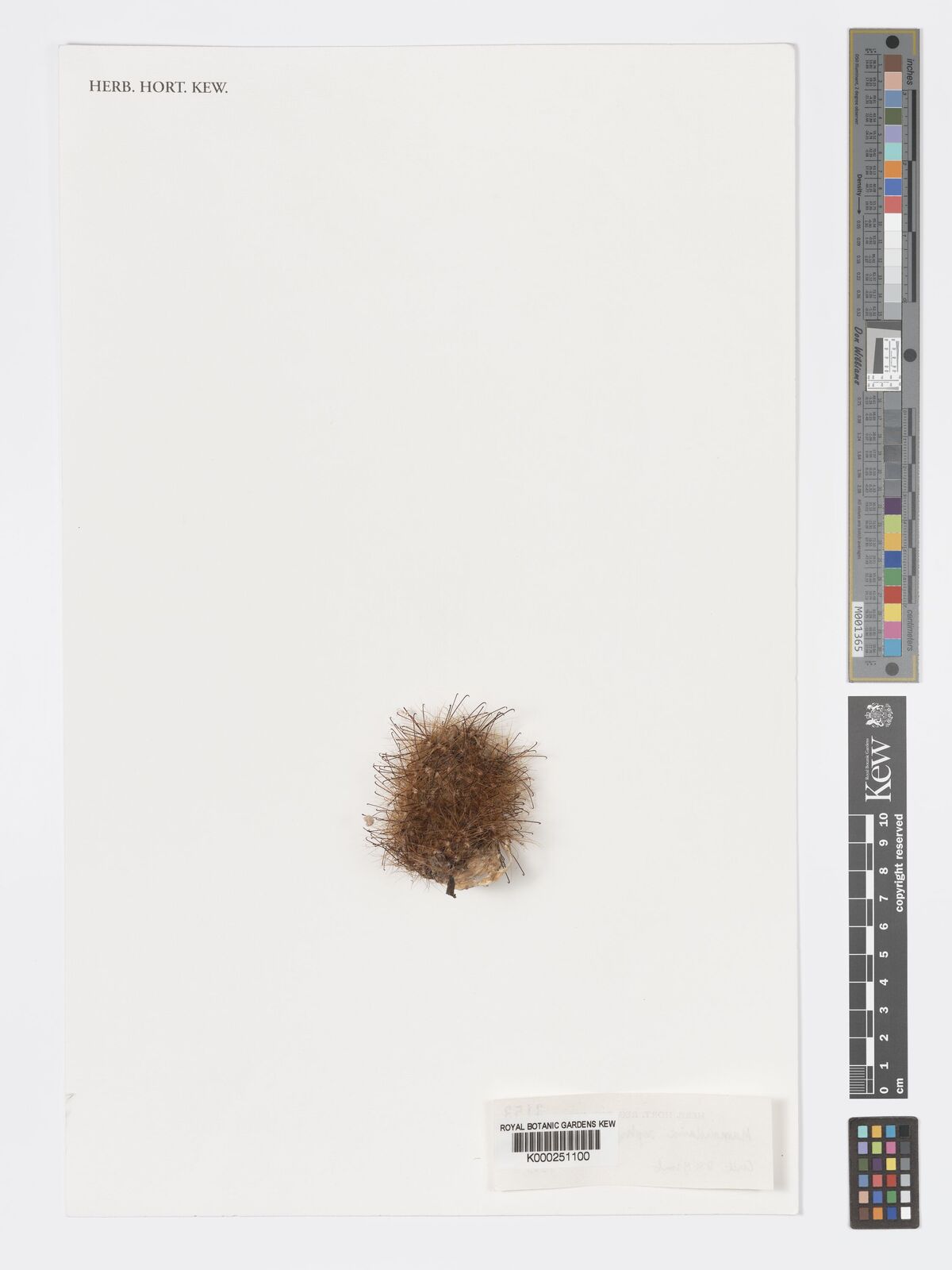 Reference image
Zephyranthoid Pincushion
Mammillaria zephyranthoides is a highly sought-after cactus species within the Cactaceae family, prized for its flattened-globose shape and remarkably large, yellowish-white flowers 1. Naturally growing as a solitary succulent subshrub, it captures the interest of enthusiasts with its complex spine arrangement and delicate floral display.
The species name zephyranthoides references its large flowers, which visually resemble those of the rain lily (Zephyranthes or Anemone) 2. Classified within the diverse genus Mammillaria, it is distinguished by its soft, prominent tubercles and central hook spines emerging from the aeroles.
Native to the highlands of Mexico, this species is found across states such as Aguascalientes, Guanajuato, San Luis Potosí, Querétaro, Guerrero, and Oaxaca 1. It typically inhabits dry shrublands and rocky slopes at elevations ranging from 1500 to 2400 meters, growing in mineral-rich limestone soils often shaded by nurse plants 3.
The stem is dark green to grayish-green, depressed-globose, and grows up to 10 cm in diameter. The radial spines are fine and white, while the 1 to 4 central spines are stout, distinctly hooked, and yellow to reddish-brown. Its late spring blossoms are broad, funnel-shaped, creamy-white or pale yellow, with a prominent pink midstripe on each petal.
It requires an extremely porous, mineral-heavy substrate to prevent root rot. Watering should follow a strict soak-and-dry method. During the summer, it thrives in bright, indirect sunlight. In winter, keeping the plant completely dry allows it to tolerate brief cold spells down to -2°C.
Overwatering and organic-heavy soils are the leading causes of root decline 2. Insufficient light leads to etiolation, causing the globose stem to stretch, weaken, and fail to produce its signature large flowers.
Thrives in bright, filtered light. Protect from intense, direct midday summer sun.
Allow the soil to dry out completely between waterings. Keep dry during the winter months.
Requires excellent drainage; use a mineral-rich mix with high pumice and coarse grit content.
Features sharp, hooked central spines; handle with care and keep away from children and pets.
Moderately difficult due to high sensitivity to excess moisture and root rot.
Found in the semi-arid high-altitude valleys and rocky slopes of central and southern Mexico, typically growing under the shade of small desert shrubs.
