
Mammilloydia candida

Snowball Cactus / White Pincushion Cactus

Mammilloydia candida: The White Beauty of the Desert

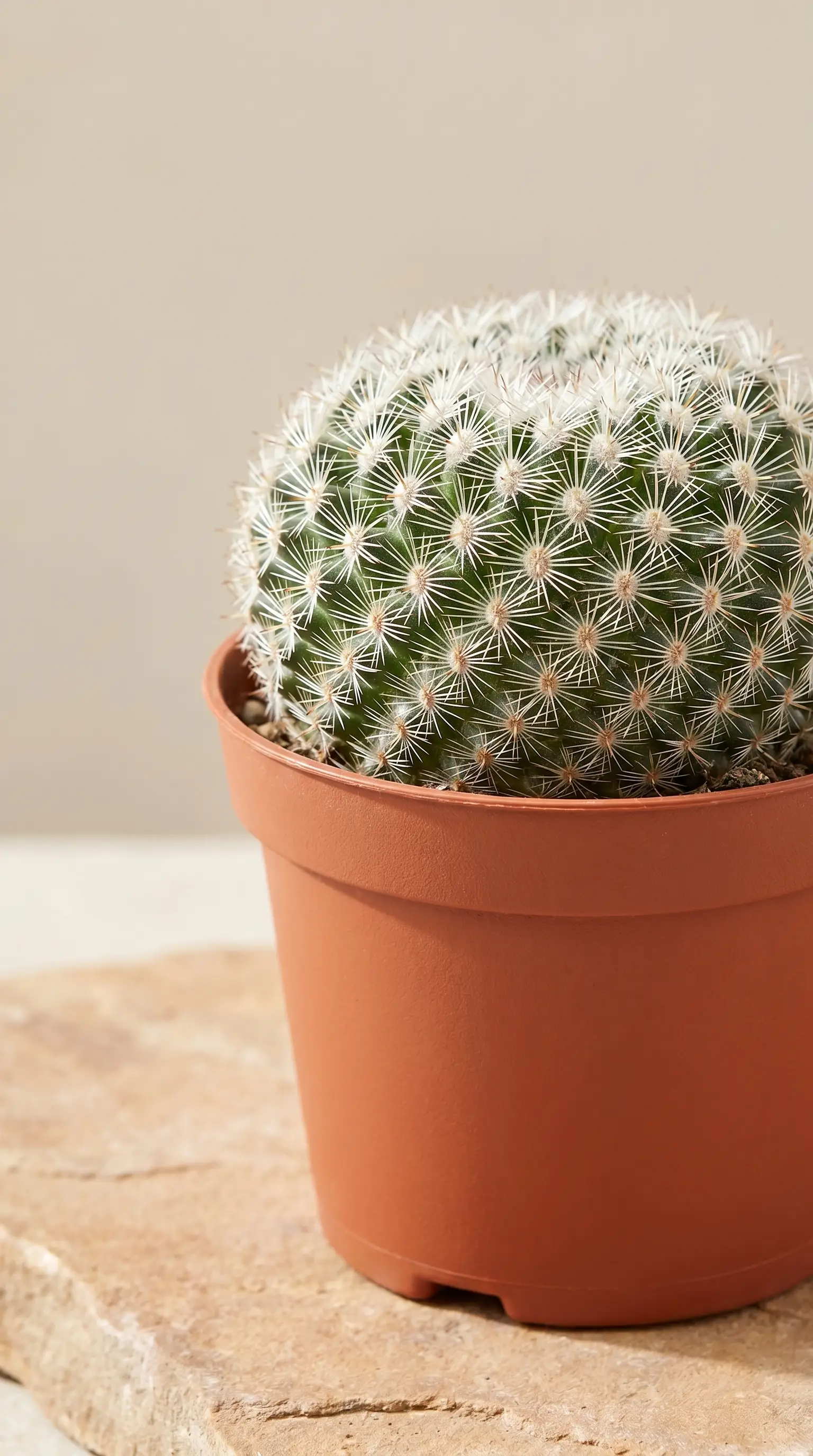
Mammilloydia candida, commonly known as the Snowball Cactus or White Pincushion Cactus, is a captivating globular cactus species belonging to the Cactaceae family. Formerly classified as Mammillaria candida, this plant stands out with its distinctive dense covering of white, sharp spines. These spines entirely cover the plant's surface, protecting it from the scorching desert sun and providing a natural camouflage 1. The plant produces small yet attractive pink to lavender-colored flowers, which typically emerge in a ring around the apex during late spring or early summer.

Morphology and Growth

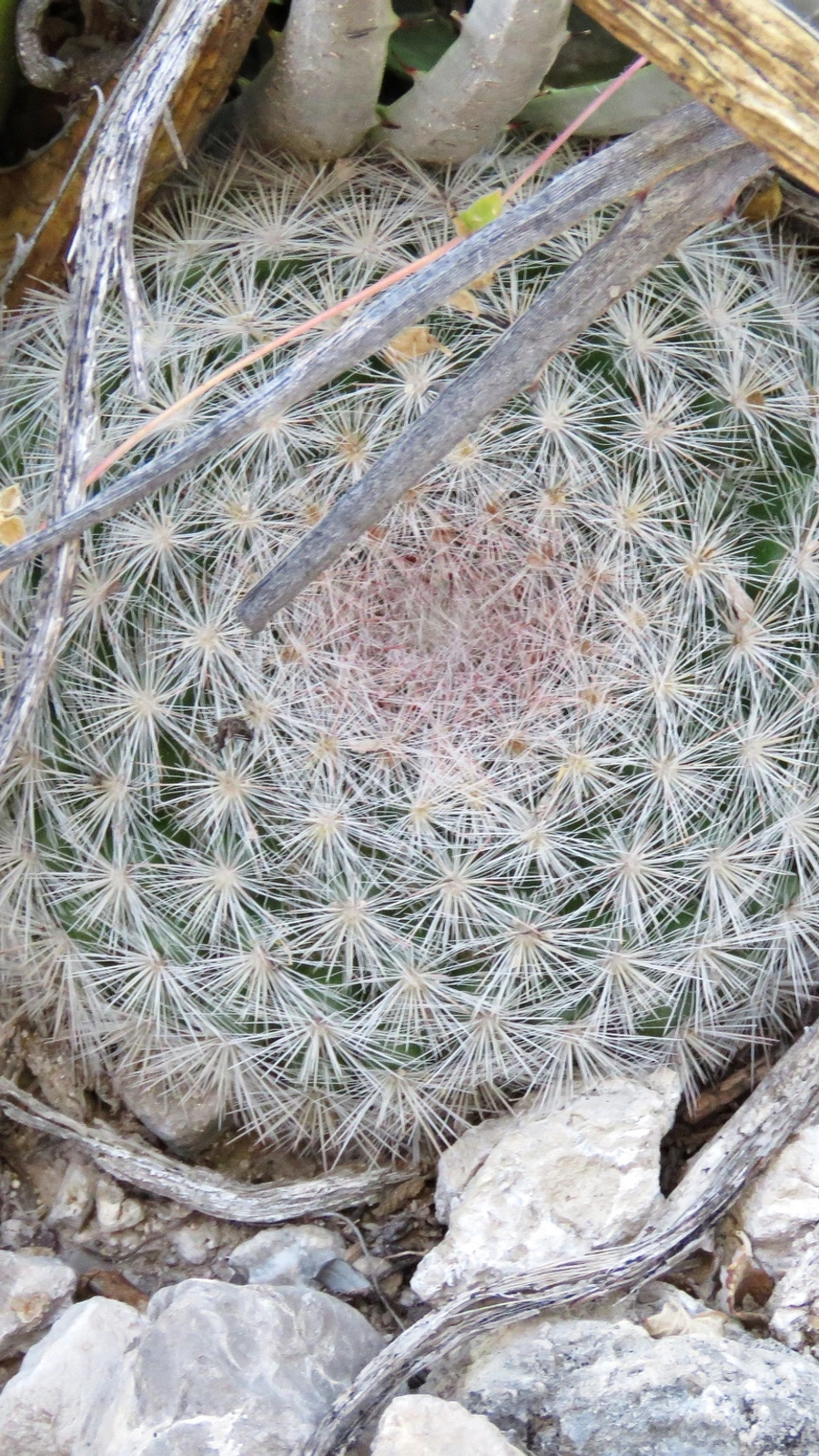
Mammilloydia candida typically has a single stem, but may produce small offsets from its sides as it matures. The stem is globular to slightly cylindrical, reaching 6-15 cm in height and 5-10 cm in diameter. Its areoles are covered with numerous white, fine, and sharp radial spines; central spines may be less prominent or entirely absent. This dense spiny covering gives the plant a distinct white, woolly appearance. Its slow growth rate and compact nature make it an ideal candidate for small pots and cactus collections.

Habitat and Conservation Status

This species is native to the arid and semi-arid regions of Mexico. In its natural habitat, it is typically found on limestone, rocky slopes, and sandy soils. According to the IUCN Red List, Mammilloydia candida is categorized as Least Concern (LC), yet populations in some areas are observed to be declining due to habitat destruction and illegal collection 2. Therefore, its conservation in natural habitats is of significant importance.

References

  1. Anderson, Edward F. (2001). The Cactus Family. Timber Press. ISBN 0-88192-498-9.
  2. Hernández, H.M., Gómez-Hinostrosa, C. & Sotomayor, M. (2013). Mammillaria candida. The IUCN Red List of Threatened Species 2013: e.T152766A674063. DOI: 10.2305/IUCN.UK.2013-1.RLTS.T152766A674063.en.
Light

Full Sun

Requires direct sunlight or very bright, filtered sun. Ample light, especially in summer, encourages flowering. Insufficient light can lead to etiolation (stretching) and weakened growth.
Watering

10-40 Days

Ensure the soil is completely dry before watering. Typically, watering every 10-14 days in summer and once a month or less in winter is sufficient. Overwatering leads to root rot.

Soil

Very well-draining, sandy and mineral-rich mix specifically formulated for cacti and succulents.

Use a specialized cactus and succulent mix, enriched with materials like sand, pumice, and perlite, designed to drain water very quickly.

Safety

Contact/Ingestion Risk

While generally non-toxic to pets, the plant's sharp spines can cause physical injury upon contact. It should be kept out of reach of children and pets.

Difficulty

Moderate

Its care is of moderate difficulty; the biggest challenges are avoiding overwatering and ensuring adequate light. It is quite resilient when these basic needs are met.

Native Habitat

Mexico

Mammilloydia candida is native to the northeastern and central regions of Mexico. It naturally grows in dry desert and semi-desert areas across states such as Aguascalientes, Coahuila, Durango, Guanajuato, Hidalgo, Querétaro, San Luis Potosí, Tamaulipas, and Zacatecas, typically on calcareous and rocky terrain.

Frequently Asked Questions

How much light does my Mammilloydia candida cactus need?
This cactus species requires **plenty of direct sunlight**. Ideally, it should receive at least 6-8 hours of direct sun per day. Position it in the brightest spot, such as a south-facing window.
How often should I water my Mammilloydia candida?
Watering frequency depends on the season and environmental conditions. The general rule is to **wait until the soil is completely dry** before watering thoroughly. In summer, watering every 10-14 days is typically sufficient, while in winter, once a month or less is enough.
What type of soil should I use?
For Mammilloydia candida, a **very well-draining** cactus and succulent potting mix is crucial. This mix should drain water quickly and provide good air circulation. You can amend ready-made cactus soil with perlite, pumice, or coarse sand.
Is this cactus toxic to pets?
The plant itself is **not chemically toxic**. However, due to its sharp spines, it can pose a physical hazard to pets and small children. It should be kept out of reach to prevent contact injuries.
How does Mammilloydia candida flower?
When provided with sufficient sunlight, the correct watering regimen, and an appropriate winter dormancy period, it typically produces **small pink to lavender-colored flowers** in late spring or early summer. The flowers form a ring around the plant's apex.
How should I care for it during winter?
In winter, **significantly reduce watering** and provide a cooler environment to allow the cactus to enter dormancy. If possible, maintain temperatures between 5-10°C (41-50°F). It's ideal to water almost never during this period.
How fast does this cactus grow?
Mammilloydia candida is a **slow-growing** cactus species. It may only grow a few centimeters per year. This slow growth rate makes it attractive for collectors who wish to keep it in small pots for many years.
When should I repot my Mammilloydia candida?
Repotting should be done when the plant's roots have filled the pot or when the soil quality has deteriorated, typically **every 2-3 years** is sufficient. The best time for repotting is in the spring.
What diseases or pests can affect this cactus?
**The most common issue is root rot**, which typically results from overwatering. Pests such as spider mites and mealybugs are rare but can be prevented with good air circulation and regular inspection.
How can Mammilloydia candida be propagated?
The easiest method is to carefully separate the offsets (pups) that emerge from the sides of the plant. Allow the cuttings to dry for a few days, then plant them in cactus soil. Propagation from seed is also possible but requires more patience.