
Light
Bright Indirect Light
Requires bright, indirect sunlight or filtered morning sun. Avoid scorching direct midday summer sun.
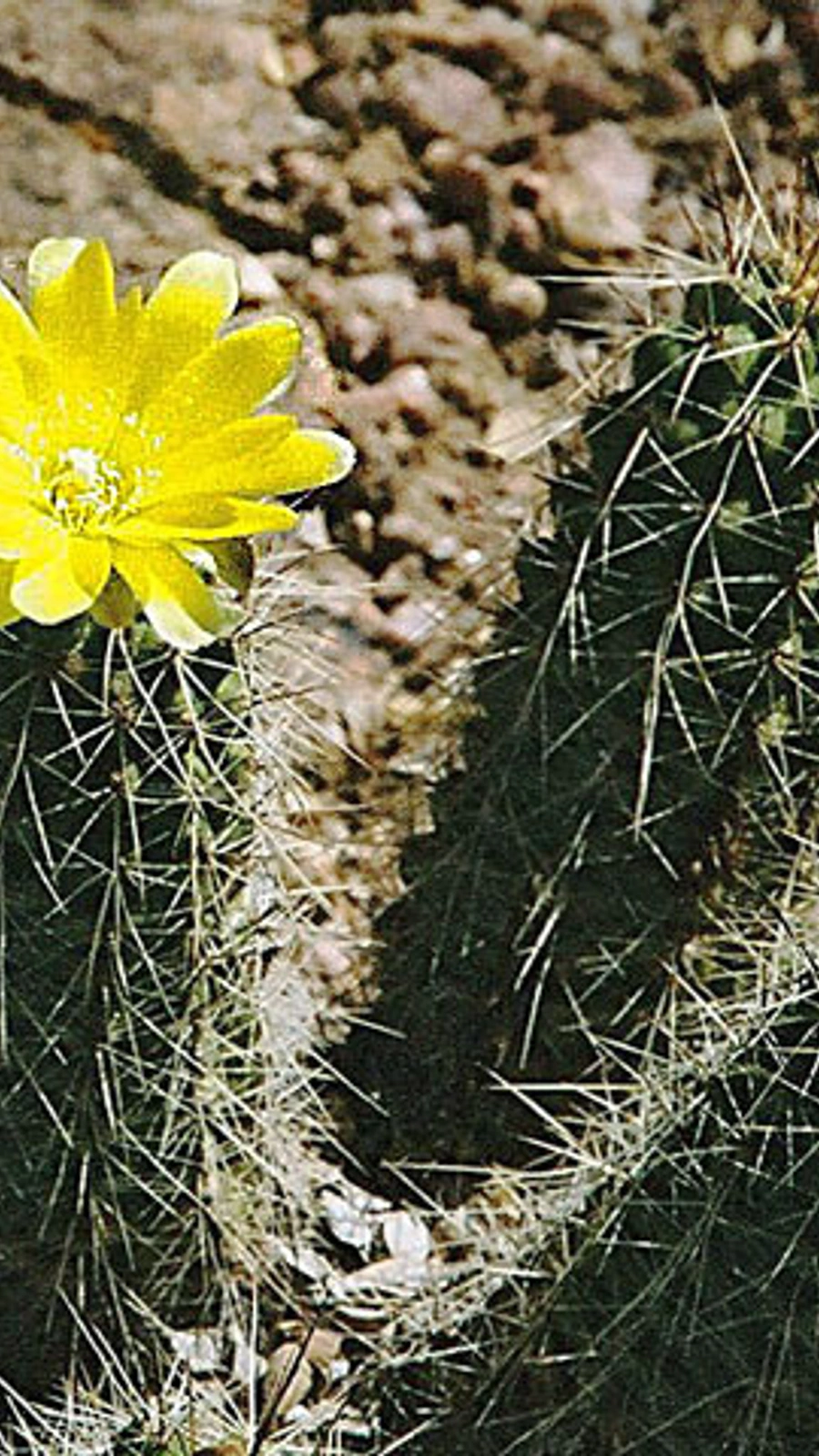 Reference image
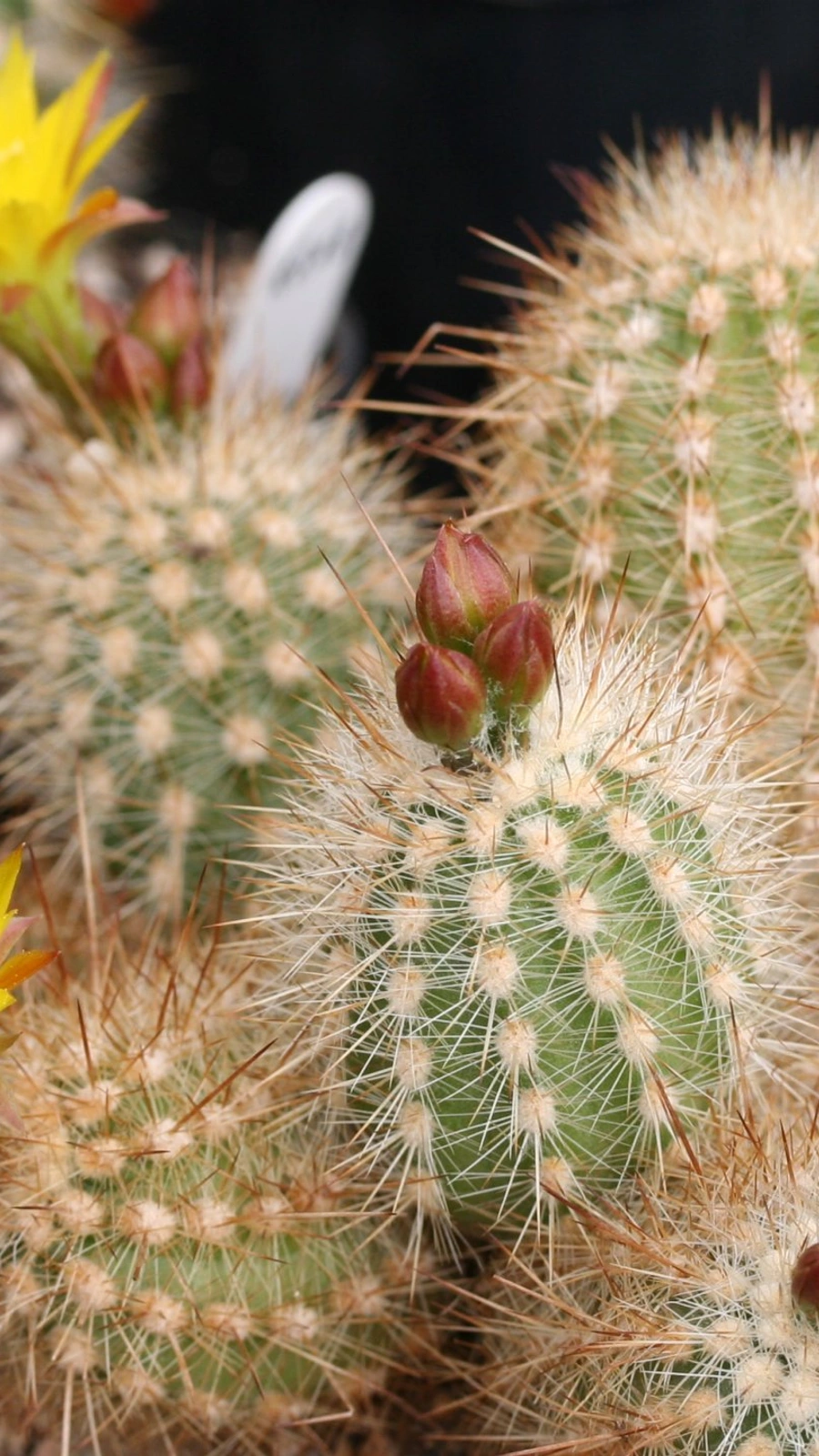 Reference image
Mila Cactus
Mila caespitosa is the sole representative of the monotypic genus Mila within the Cactaceae family, native to Peru 1. This miniature, clustering cactus is highly prized by collectors for its compact growth form and bright yellow flowers. The genus name is an anagram of "Lima", the capital city of its native country 2.
Described in 1915 by botanists Nathaniel Lord Britton and Joseph Nelson Rose, the genus Mila was creatively named by rearranging the letters of "Lima" 2. The specific epithet caespitosa refers to its tufted, cushion-forming growth habit. It encompasses several historical synonyms, such as Mila nealeana, now unified under this single variable species.
Endemic to western South America, specifically the dry rocky slopes of Peru (Ancash and Lima regions) at elevations ranging from 1,000 to 2,500 meters above sea level 1. It thrives in hyper-arid desert biomes and dry shrublands, growing in gravelly soils and rock crevices.
This species forms low-lying dense clumps. Individual stems are cylindrical, pale green, reaching 10–15 cm in height and about 3–4 cm in diameter. The ribs are low and covered with closely set areoles bearing fine, needle-like yellowish to brownish spines. Small, bell-shaped, daytime-blooming yellow flowers appear at the stem tips during summer.
Mila caespitosa requires an open, mineral-heavy substrate to prevent root rot. It tolerates light frost down to 5°C if kept entirely dry during the winter resting period 2. Bright, filtered light promotes compact growth and rich spination.
Overwatering and using standard, water-retaining potting soil are the primary causes of failure. Without excellent drainage and proper air circulation, the delicate root system of Mila will decay rapidly.
Requires bright, indirect sunlight or filtered morning sun. Avoid scorching direct midday summer sun.
Water only when the substrate is fully dry. Maintain a strict dry spell throughout the winter.
Use a mineral-based cactus mix containing pumice, coarse sand, and minimal organic matter.
Non-toxic to pets, but the fine, sharp spines can cause physical injury upon contact.
Moderately easy if you avoid overwatering and provide a porous substrate with winter dryness.
Found naturally on the arid western slopes of the Peruvian Andes, growing in highly drained gravel and rocky terrain near Lima and Ancash.
