
Light
Bright Indirect Light
Thrives best under bright indirect sunlight or filtered sun; tolerates some direct morning sun.
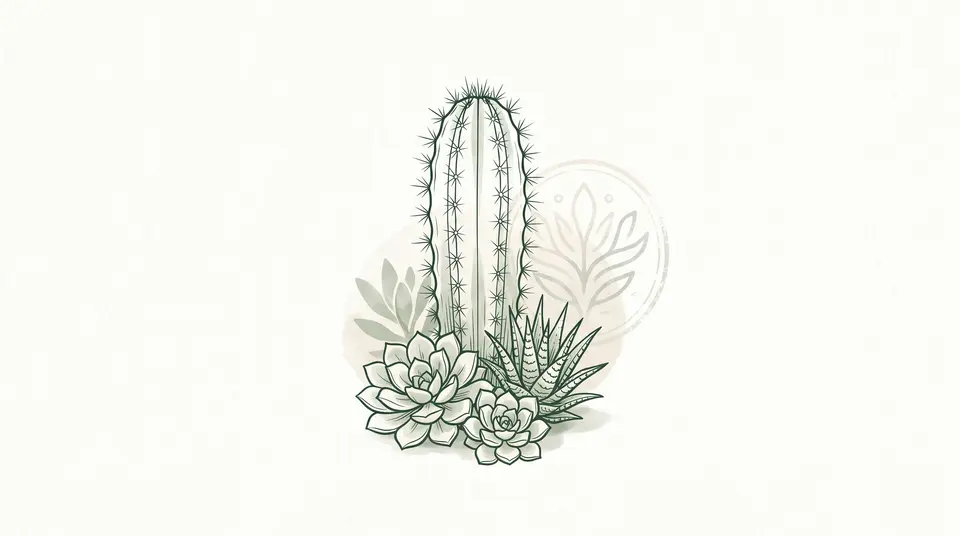 Reference image
Guatemala Blue Candle Cactus
Myrtillocactus eichlamii is an arborescent or shrubby, columnar cactus species belonging to the family Cactaceae. It is highly valued in cultivation for its beautiful blue-green, waxy glaucous stems and structural appeal.
Originally described by the German botanist Alwin Berger, the species is a distinct member of the genus Myrtillocactus 1. Its specific epithet honors Federico Eichlam, who made significant contributions to the botanical exploration of Guatemala 2.
The species is native to the seasonally dry tropical biomes of Guatemala and southern Mexico 1. It typically thrives on dry, rocky slopes and volcanic soils within deciduous forest margins.
In its natural habitat, this succulent tree can reach heights of 4 to 5 meters, forming a highly branched crown. The stems are covered with a characteristic waxy bloom that gives them a glaucous blue-grey shade. The spines are short, and the small, cream-colored flowers yield edible berries.
This species is relatively easy to care for in container cultivation. It thrives in bright, indirect sunlight or filtered sun. Water thoroughly during the growing season only after the substrate has dried out completely.
Overwatering and using heavy, poorly-draining soil mixes are the leading causes of root rot. Exposure to high humidity combined with low winter temperatures can trigger fungal scarring on the stems.
Thrives best under bright indirect sunlight or filtered sun; tolerates some direct morning sun.
Water deeply in spring and summer only when the soil is 100% dry. Keep dry in winter.
Use a specialized succulent mix with high inorganic content like pumice, gravel, and perlite.
Non-toxic to pets and humans, but the sharp spines can cause minor mechanical injury.
Easy to grow for beginners provided it is kept in extremely well-draining soil and not overwatered.
Found in the seasonally dry tropical forests of Guatemala, where it adapts to rocky, volcanic, and well-draining landscapes.
