Myrtillocactus geometrizans

Blue Myrtle Cactus, Bilberry Cactus, Whortleberry Cactus, Garambullo

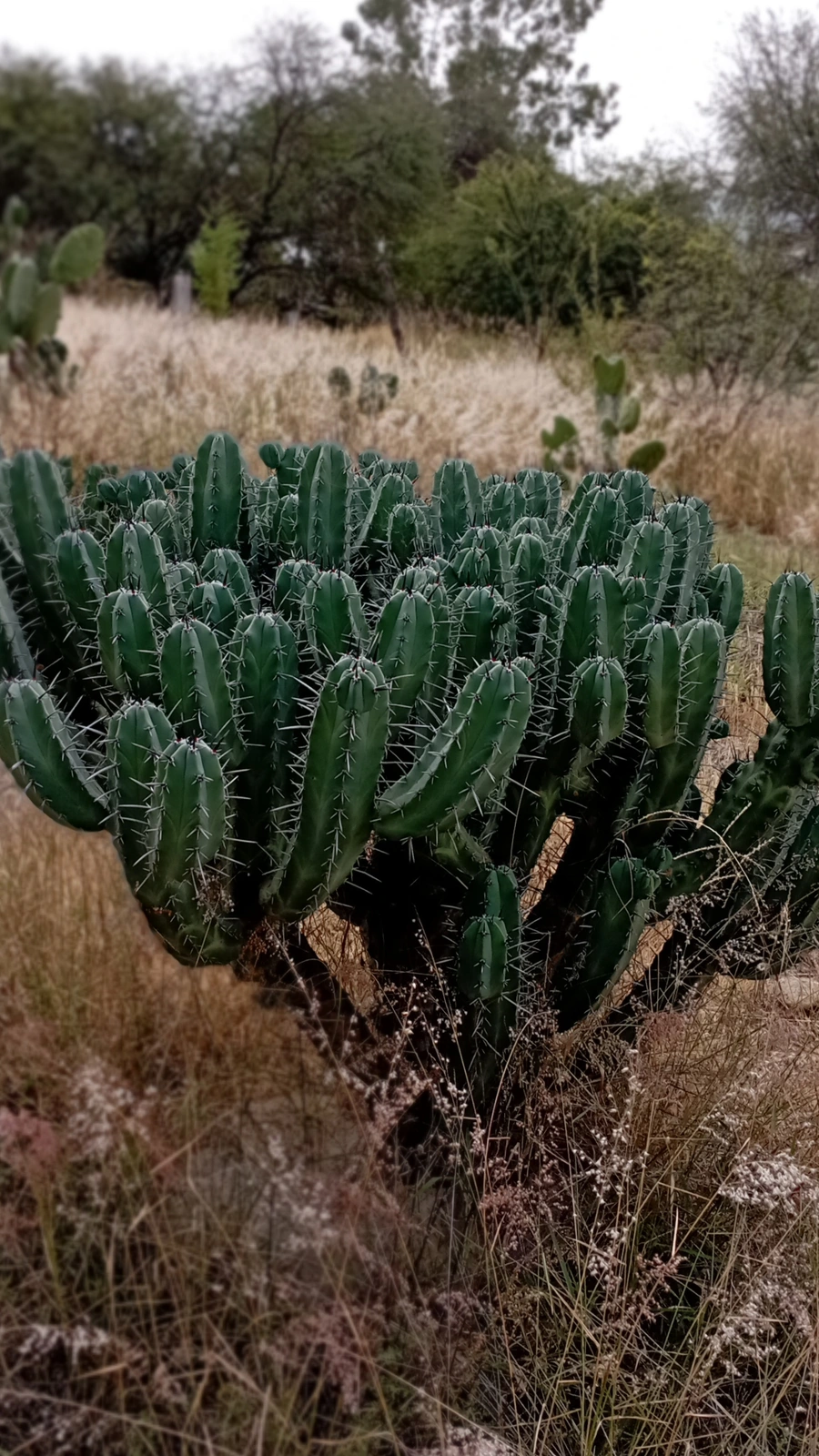
Myrtillocactus geometrizans, commonly known as the Blue Myrtle Cactus, Bilberry Cactus, or Garambullo due to its edible fruit, is a striking member of the cactus family (Cactaceae). Native to the arid and semi-arid regions of Central and Southern Mexico, this species is often a significant component of desert and dry shrubland ecosystems 1. This cactus is notable for its columnar growth habit, developing thick, waxy, bluish-green stems and a branched structure as it matures.

Appearance and Morphology

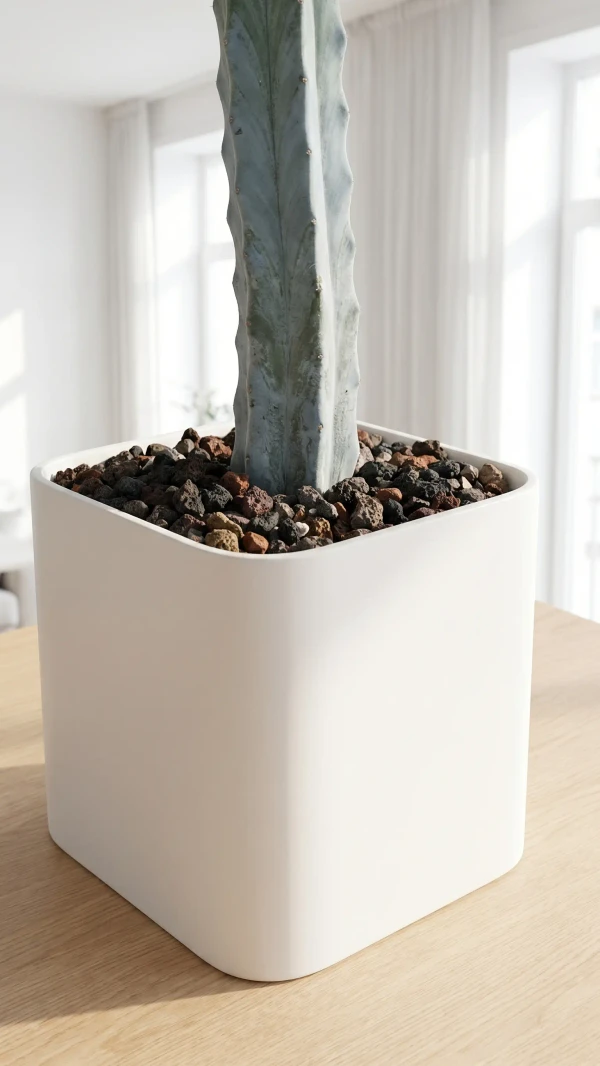
Myrtillocactus geometrizans is a multi-branched cactus that can reach heights of up to 4 meters (13 feet), sometimes forming a tree-like structure. Its stems feature prominent ribs and are typically covered with short, sharp spines emerging from the areoles. The bluish-green coloration, more pronounced when the plant is young, gives it the "Blue Myrtle Cactus" moniker. Over time, this hue may shift to a more grayish tone.

Flowers and Fruits

The flowers of this species typically appear in late spring and early summer. They are small, creamy white or yellowish, usually opening at night and are short-lived. After pollination, they produce small, round, purple-black fruits known as garambullos. These fruits have a taste similar to blueberries and serve as an important food source for both humans and local wildlife. Garambullos can be eaten fresh or used to make jams, desserts, and beverages.

Ecological and Commercial Importance

Myrtillocactus plays a crucial role in its native ecosystem, providing habitat and food for various animals. Commercially, it is popular as an ornamental plant, especially in xeriscaping. It is also widely used as a rootstock for grafting other cactus species due to its vigorous growth and strong root system, which supports the development of the grafted plant 1. Thanks to its widespread occurrence and stable populations in the wild, it is classified as "Least Concern" (LC) on the IUCN Red List 2.

References:

References

  1. Plants of the World Online (POWO). Myrtillocactus geometrizans. Available at: https://powo.science.kew.org/taxon/urn:lsid:ipni:org:names:141697-1
  2. IUCN Red List of Threatened Species. Myrtillocactus geometrizans. Available at: https://www.iucnredlist.org/species/152865/561066
Light

Full Sun

Requires full direct sun or very bright, indirect light. A south-facing window is ideal.
Watering

14-30 Days

Water thoroughly after the soil completely dries out in summer, and very little to none in winter.

Soil

Well-draining cactus and succulent mix

Use a fast-draining soil mix specifically formulated for cacti and succulents, containing sand and perlite.

Safety

Pet Friendly

While the fruits of Myrtillocactus are edible, its spines can be sharp. It's best to keep it out of reach of children and pets.

Difficulty

Easy

A very hardy and low-maintenance species. It's an excellent choice for beginners to cactus cultivation.

Native Habitat

Mexico

Native to the arid and semi-arid regions of various Mexican states including Aguascalientes, Coahuila, Guanajuato, Guerrero, Hidalgo, Jalisco, Michoacán, Nuevo León, Oaxaca, Puebla, Querétaro, San Luis Potosí, Sonora, Tamaulipas, Veracruz, and Zacatecas. It typically grows in shrublands and dry woodlands within these areas.

Frequently Asked Questions

When should I repot my Myrtillocactus?
For young plants, repot every 2-3 years in spring, during their growing season. As the plant matures, repotting can be less frequent, perhaps every 5 years or when the pot breaks. The new pot should be one size larger and have good drainage holes.
How should I water my Blue Myrtle Cactus in winter?
During winter, the plant enters a dormant phase, and its watering needs significantly decrease. Water very sparingly or not at all, ensuring the soil is completely dry beforehand. Overwatering can lead to rot.
How much light does Myrtillocactus geometrizans need?
This cactus species thrives in full direct sunlight. A south-facing window is ideal indoors. Insufficient light can lead to leggy growth and the fading of its characteristic bluish hue.
What is the best soil mix for Myrtillocactus?
You should use a fast-draining soil mix specifically prepared for cacti and succulents. Mixes containing components like sand, perlite, or pumice are ideal. It is crucial that the soil never retains water.
Will my Myrtillocactus flower and fruit indoors?
It is possible for it to flower indoors if sufficient sunlight and proper care are provided, but it may not fruit as profusely as it would outdoors. Flowers usually open at night and often require another plant for pollination.
How fast does the Blue Myrtle Cactus grow?
*Myrtillocactus geometrizans* has a medium to fast growth rate, especially under optimal conditions. It can grow an average of 15-30 cm (6-12 inches) per year. However, the growth rate can vary depending on environmental factors.
Should I prune my Myrtillocactus geometrizans?
Pruning is generally not required. However, you can prune dead, damaged, or misshapen branches using a sterile cutting tool. Pruning can help improve air circulation and the plant's overall health.
What are the common pests of Myrtillocactus?
Cacti are generally hardy, but pests such as spider mites, mealybugs, and scale insects can occur. Regularly inspect your plant and apply natural or chemical pest control methods if necessary.
Are Garambullo fruits safe for pets?
Yes, the fruits of *Myrtillocactus geometrizans* are generally safe for pets, just as they are for humans. However, due to the plant's sharp spines, it might be risky for pets to approach the plant directly.
How and when should I fertilize my Myrtillocactus?
During the growing season, spring and summer, fertilize once a month with a low-nitrogen fertilizer specially formulated for cacti and succulents. Discontinue fertilization in winter. Apply the fertilizer diluted.