
Light
Direct Sun
Requires full sun or direct bright light; prone to stretching in low light.
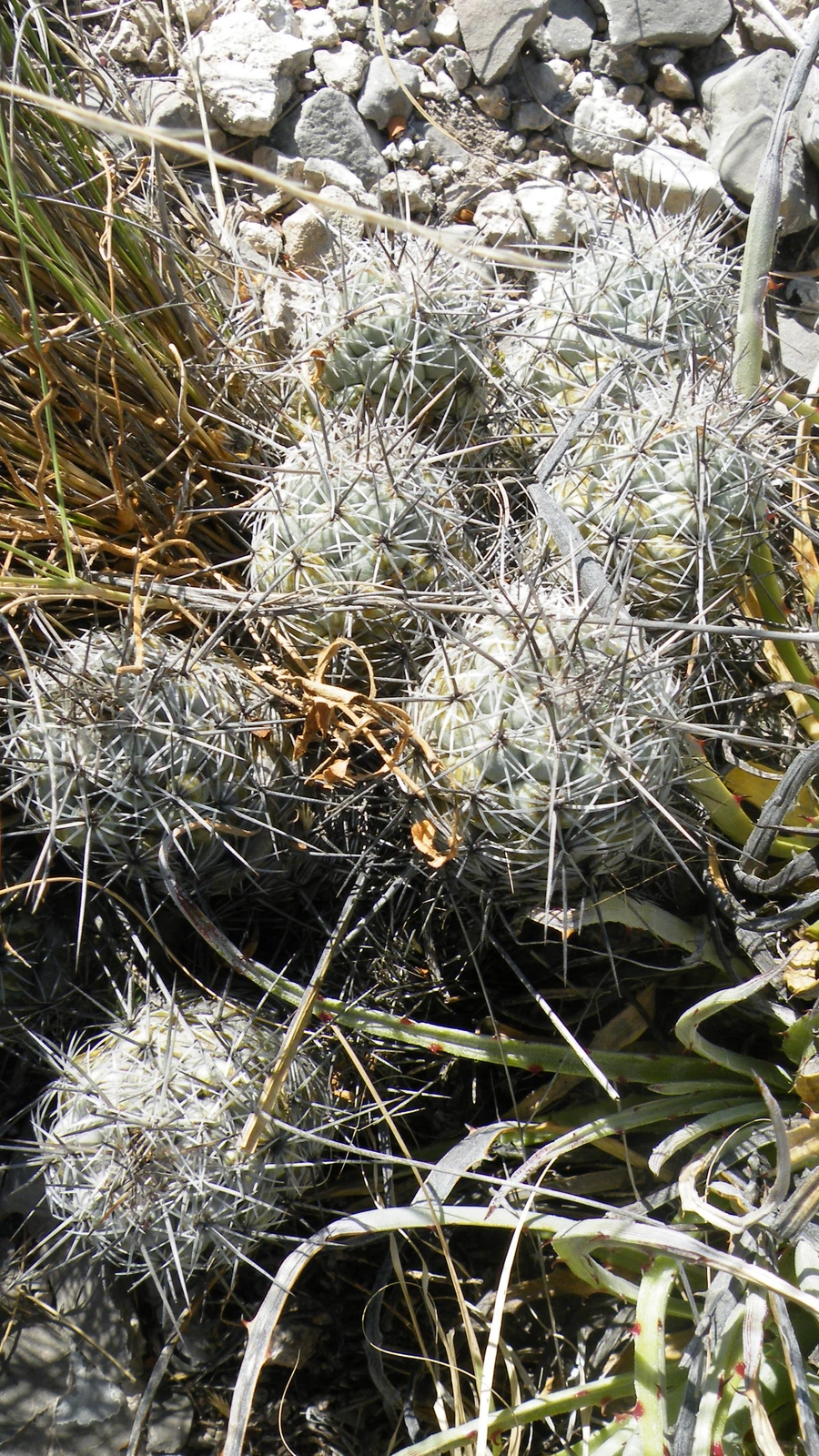 Reference image
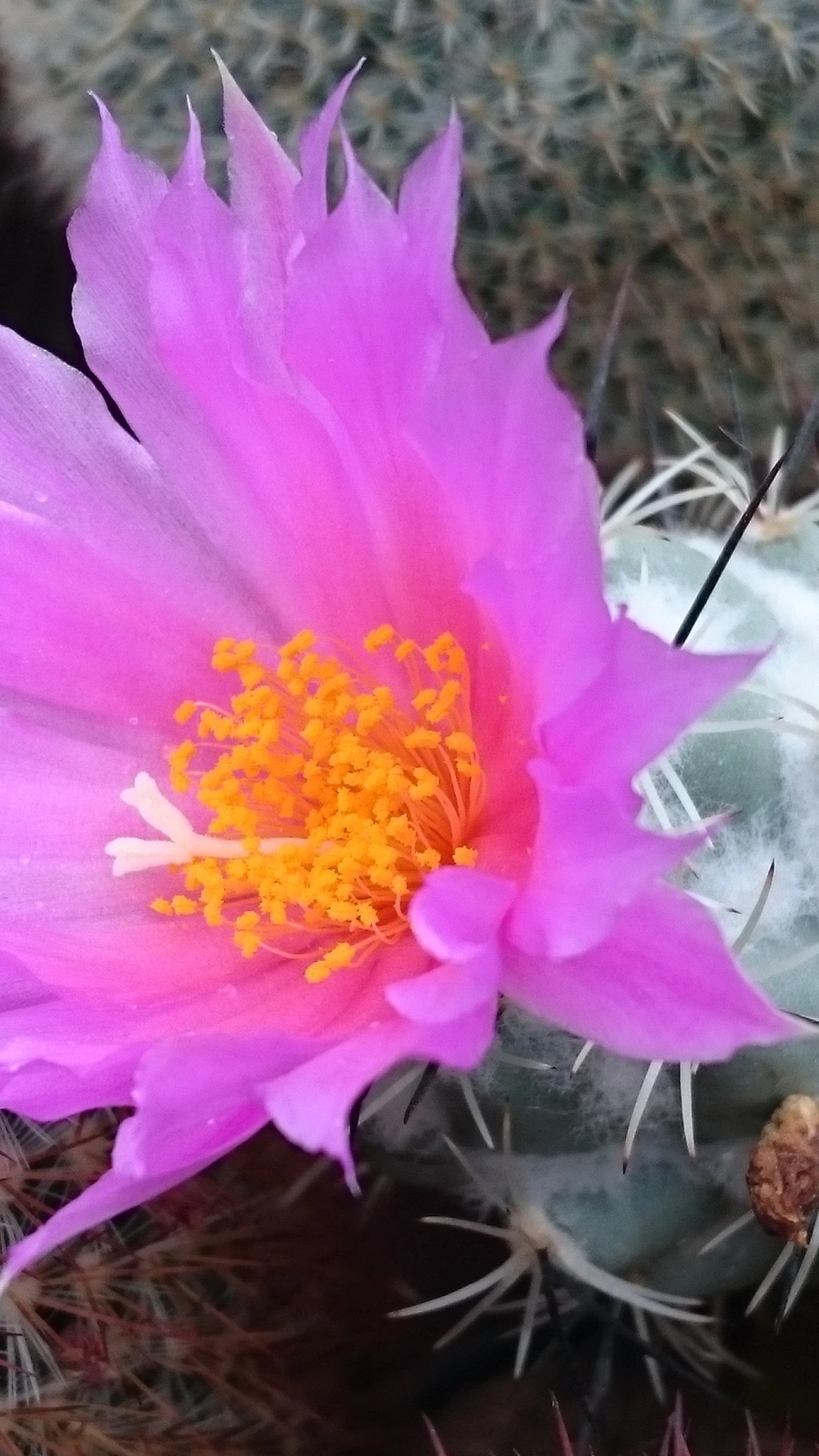 Reference image
Matehuala Cone Cactus
Neolloydia matehualensis is a highly sought-after miniature succulent subshrub belonging to the Cactaceae family. Extremely adapted to arid and harsh limestone habitats, it is favored by collectors for its compact, heavily-spined body and vibrant magenta flowers 1.
Named after its discovery site near Matehuala in San Luis Potosí, Mexico, this species has experienced various taxonomic shifts. While some botanists treat it as a synonym or local form of the wider Neolloydia conoidea complex, others maintain its distinct status due to unique spine density and geographical isolation 2.
Native to the Chihuahuan desert region of northern and central Mexico, it thrives at high elevations across states like San Luis Potosí, Coahuila, and Nuevo León. It is primarily found growing in limestone cracks, gravelly slopes, and gypsum soils.
The stem is globose to shortly cylindrical, covered in prominent spiraling tubercles. It is heavily armed with stiff, greyish-white radial spines and prominent central spines that give the plant a silvery, textured appearance. In late spring, stunning bright pink to deep magenta funnel-shaped flowers emerge from the woolly crown.
This species demands maximum sunlight and an almost entirely mineral substrate. A mix of pumice, perlite, granite grit, and limestone sand is ideal. Watering must be sparse, mimicking its dry native habitat, with a strict dry rest period during winter.
The most prevalent threat is root rot caused by organic soils or overwatering. Lack of sufficient direct sunlight results in etiolation, causing the cactus to lose its tight, heavily-spined symmetrical shape 1.
Requires full sun or direct bright light; prone to stretching in low light.
Allow soil to dry out completely between waterings. Avoid winter watering.
Highly mineral substrate with pumice, grit, and limestone. Avoid organic peat.
Armed with sharp spines; keep out of reach of children and pets.
Moderate. Easy if underwatered, but highly sensitive to excess humidity.
Endemic to the limestone hills and dry shrublands of the high Chihuahuan Desert in northern Mexico, where it grows exposed to intense sun and wind.
