
Light
Full Sun
Requires full sun, preferably at least 6 hours of direct sunlight daily to maintain compact growth.
 Reference image
 Reference image
Chilean Earth-Cactus
Neowerdermannia chilensis is an extraordinary geophytic cactus species native to the high-altitude, hyper-arid regions of the Andes. Celebrated for its unique sunken growth habit and edible taproot, which is historically harvested by indigenous populations, it represents a remarkable adaptation to desert extremes 1.
Belonging to the genus Neowerdermannia within the Cactaceae family, this genus honors the German botanist Erich Werdermann. The specific epithet chilensis denotes its prominent native occurrence within Chile's high-altitude borders 2.
This species is naturally distributed across Southern Peru and Northern Chile. It thrives in the western slopes of the Andes at elevations between 2,500 and 4,000 meters above sea level. It inhabits puna grasslands, rocky slopes, and hyper-arid alpine shrublands characterized by intense solar radiation and drastic diurnal temperature swings 13.
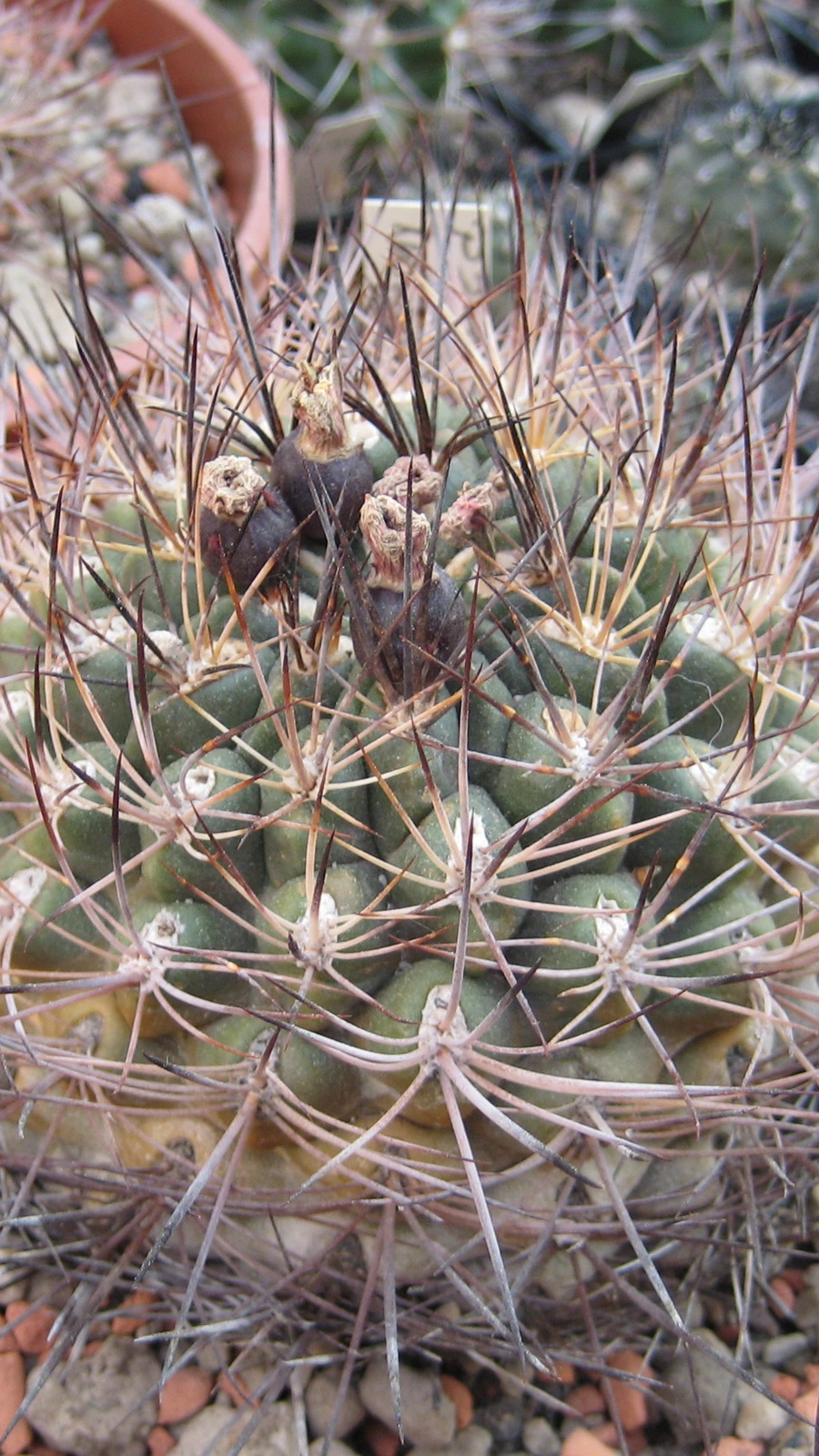
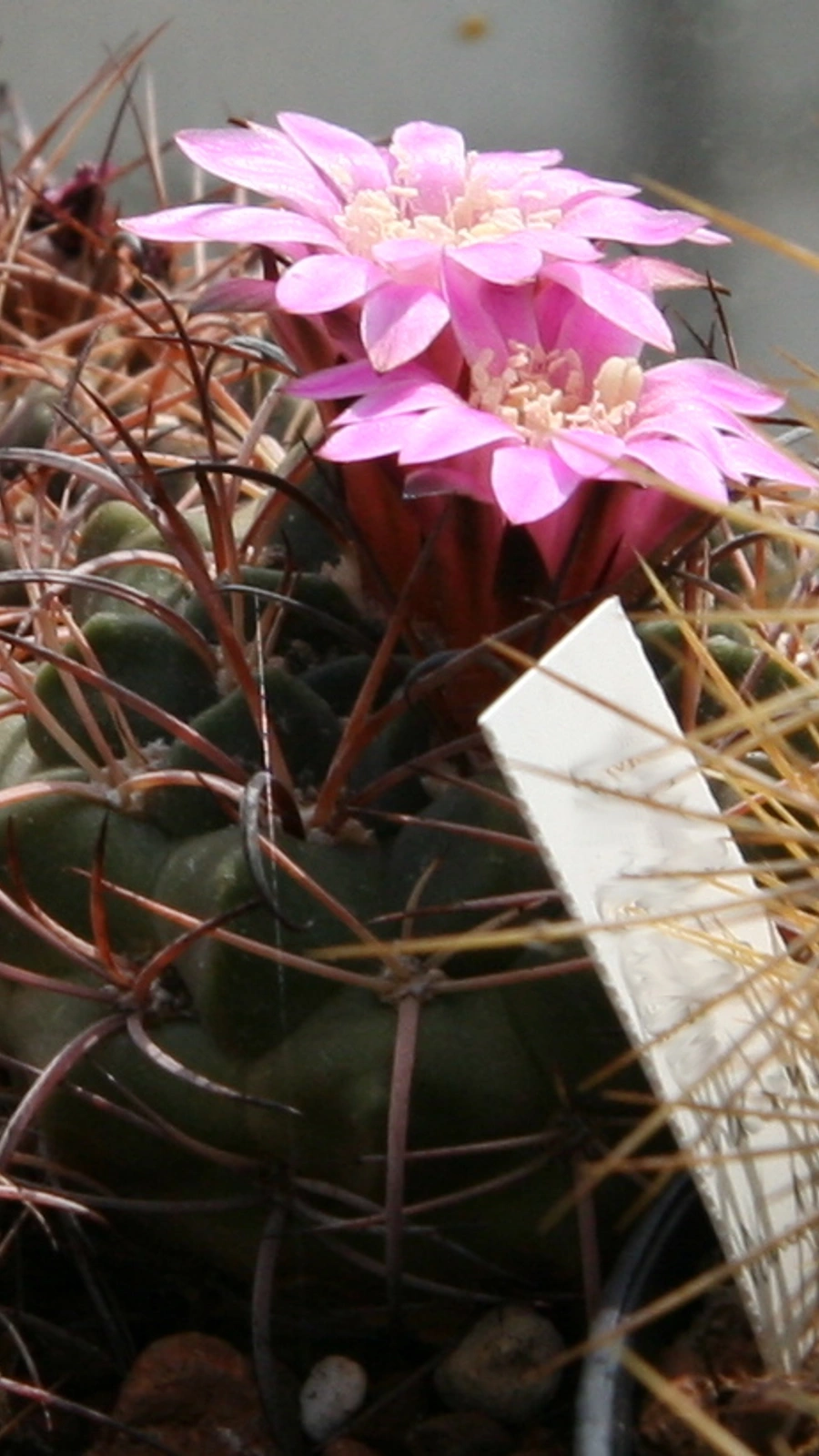
The body is globose to depressed-spherical, dark dull-green, and often partially buried in the ground in its habitat. It features prominent, downward-pointing tubercles with areoles nestled deep at their bases. The radial and central spines are stout, curved, and horn-colored to grey. Flowers emerge laterally, presenting as small, funnel-shaped blossoms of white, cream, or pale pink 2.
In cultivation, Neowerdermannia chilensis demands an exclusively mineral-rich, porous soil mix and exceptional drainage. Mimicking its alpine habitat requires ample fresh air circulation, maximum sunlight, and a strict dry winter rest at cool temperatures to trigger health and future flowering.
The most prevalent failure is cultivating this species in standard organic potting soil. Excessive organic matter holds moisture too long, rapidly rotting the sensitive tuberous root system. Lack of direct sunlight also triggers weak, etiolated growth.
Requires full sun, preferably at least 6 hours of direct sunlight daily to maintain compact growth.
Water thoroughly only during summer when the soil dries out completely. Keep dry in winter.
Use a strictly mineral-based mix with minimal organic matter to prevent root rot.
Spines are sharp and can cause physical injury, though the plant contains no known toxins.
Moderate difficulty. Highly susceptible to overwatering, but very hardy against cold and drought when dry.
Inhabits the extremely dry, windswept slopes of the Andes mountains in northern Chile and southern Peru at high elevations.
