
Light
Filtered Sun
Prefers bright, filtered or indirect sunlight. Harsh, direct midday sun can cause irreversible scorching.
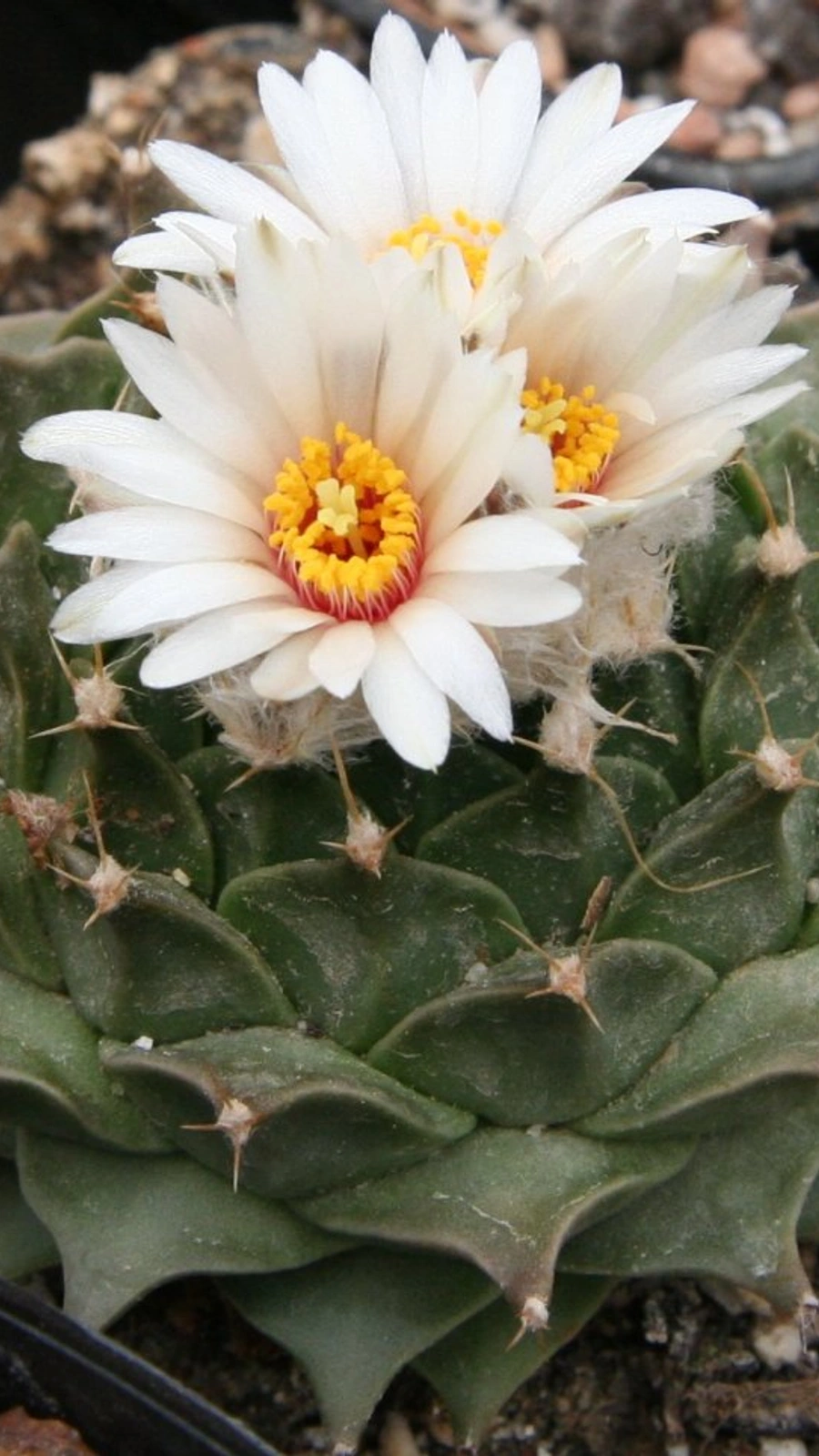
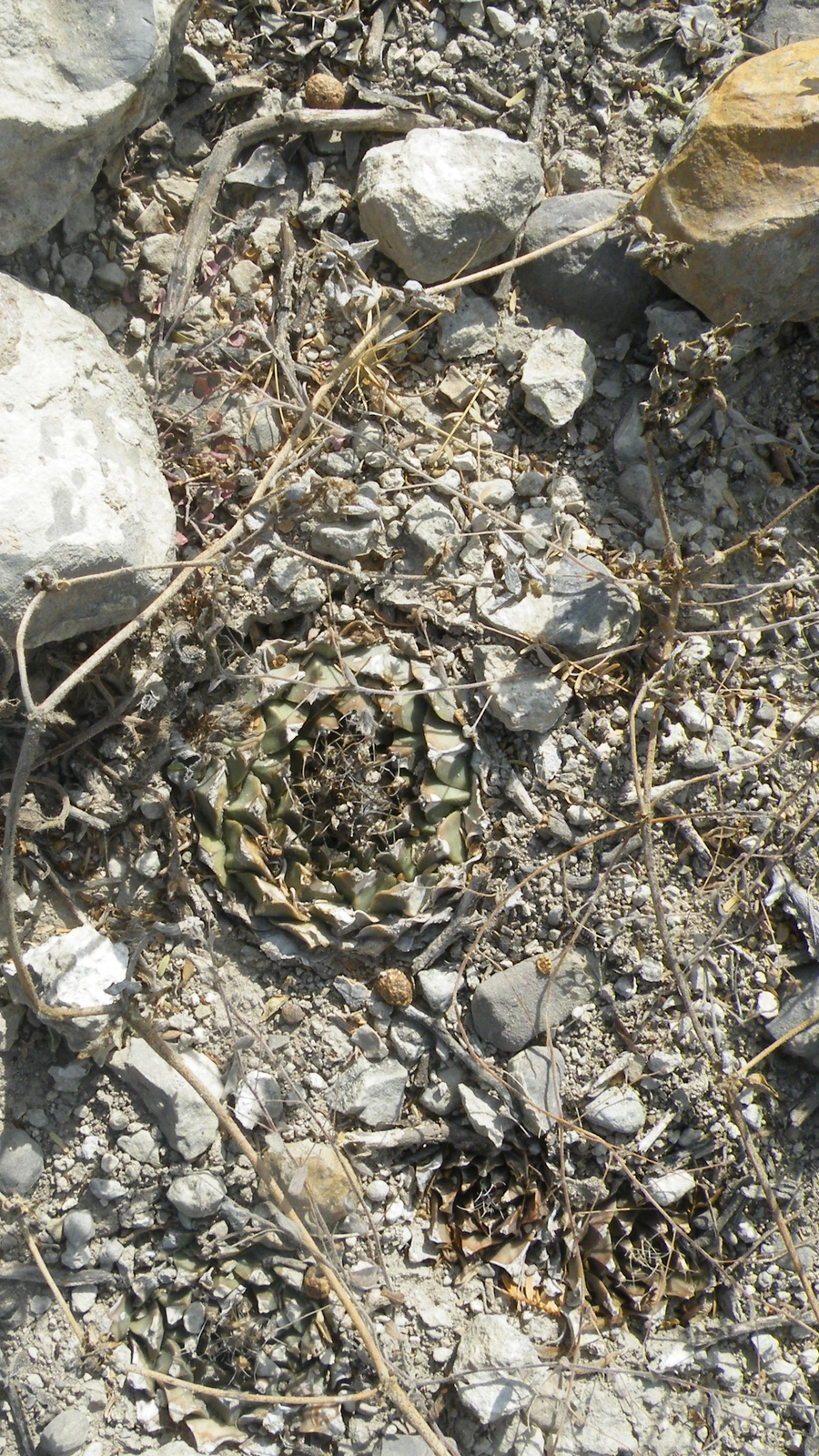
Artichoke Cactus
Obregonia denegrii, commonly known as the Artichoke Cactus, is a unique, monotypic cactus species belonging to the family Cactaceae 1. It is highly sought after by collectors for its distinctive spirally-arranged tubercles that resemble an artichoke cone. Due to habitat loss and over-collection in the wild, this slow-growing species is classified as Endangered 2.
The genus name Obregonia honors Álvaro Obregón, a former president of Mexico. The specific epithet denegrii pays tribute to Ramón P. De Negri, a Mexican politician who assisted in botanical explorations 1. It shares close evolutionary ties with the genera Ariocarpus and Lophophora, possessing similar slow growth habits and chemical profiles 2.
This species is endemic to a very restricted area in the Valley of Jaumave, Tamaulipas, Mexico 1. It thrives in semi-arid dry shrublands, growing on limestone gravel and steep slopes. In its native habitat, it grows semi-buried in the soil, which helps it survive extreme droughts and heatwaves 2.
The stem is solitary, globose-obconic, and grayish-green, reaching up to 12 cm in diameter. The prominent, leaf-like, triangular tubercles are spirally arranged. Areoles at the tips of the tubercles carry small, weak, and deciduous spines that shed easily. Diurnal flowers emerge from the woolly center, displaying creamy white to pale pink petals 1.
In cultivation, Obregonia denegrii requires patience and meticulous care. It is highly susceptible to rot, necessitating an almost entirely mineral-based substrate. It performs best under filtered bright light, avoiding intense midday sun. It can tolerate winter temperatures near 5°C if kept completely dry 2.
The most prevalent issue is root rot triggered by organic-rich soils or overwatering during winter dormancy. If kept in dim light, the plant will suffer from etiolation, losing its compact artichoke shape and becoming susceptible to pests like mealybugs.
Prefers bright, filtered or indirect sunlight. Harsh, direct midday sun can cause irreversible scorching.
Water thoroughly only during active growth when the soil is completely dry. Keep completely dry in winter.
Requires an ultra-draining mineral mix consisting of pumice, gravel, and perlite, with minimal peat.
Contains mild alkaloids and is considered toxic to pets and children if ingested. Spines are weak.
Extremely slow-growing and highly prone to rot; recommended for experienced growers.
Endemic to the Valley of Jaumave in Tamaulipas, Mexico, where it grows in limestone soils among semi-desert shrubs, often shielded from direct sun by surrounding vegetation.
