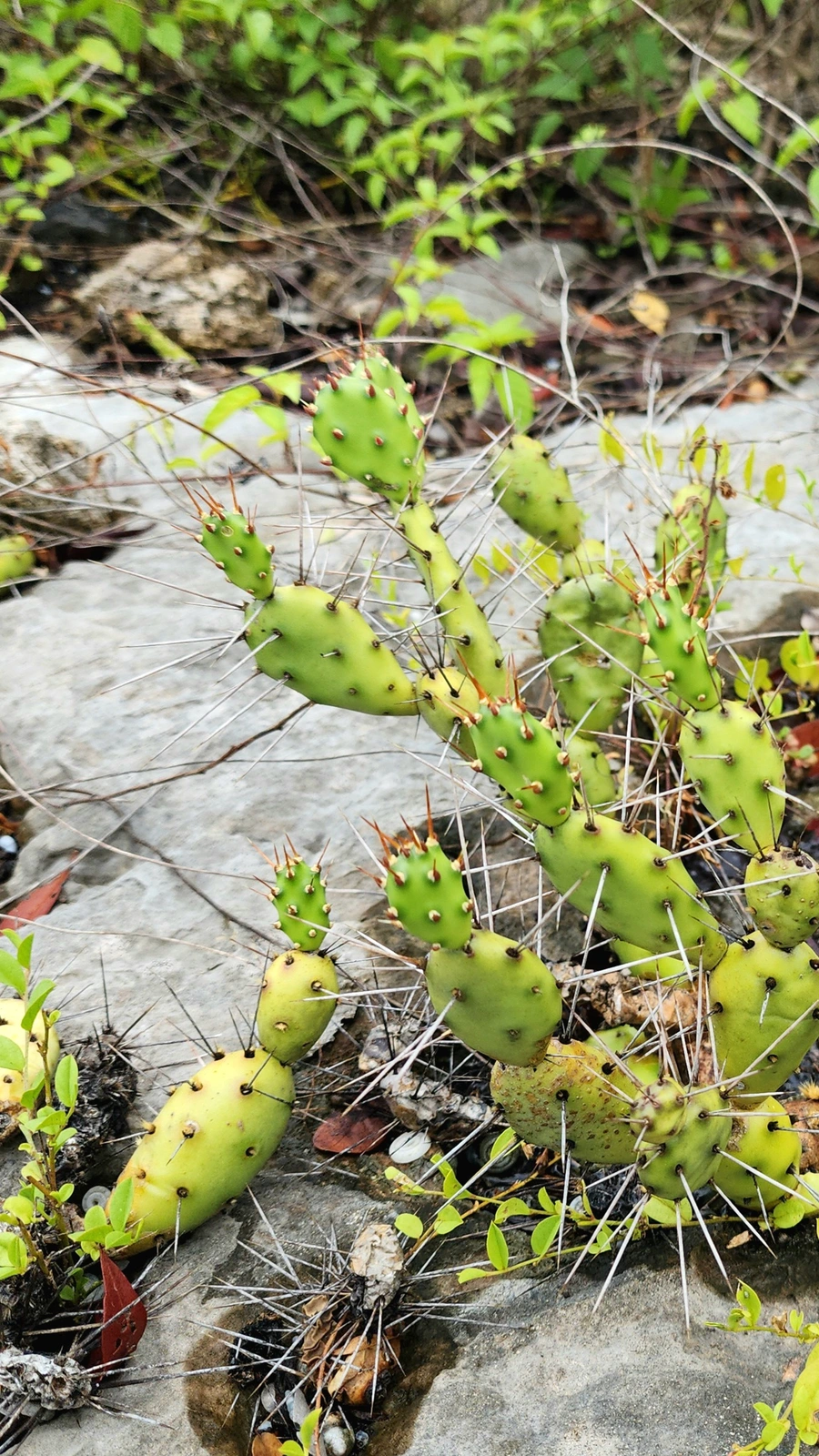
Opuntia abjecta

Abjecta Prickly Pear

Overview

Opuntia abjecta is a low-growing, spreading succulent subshrub in the family Cactaceae. Known for its resilience, this species is highly adapted to sandy coastal environments and dry thickets where solar radiation is intense 1.

Taxonomy and Naming

Belonging to the diverse genus Opuntia, this species is distinguished by its compact pads and spine arrangement. In regional botanical studies, it is recognized as a specific element of the Florida Keys flora, occasionally debated in classification but distinct in its niche 2.

Distribution and Habitat

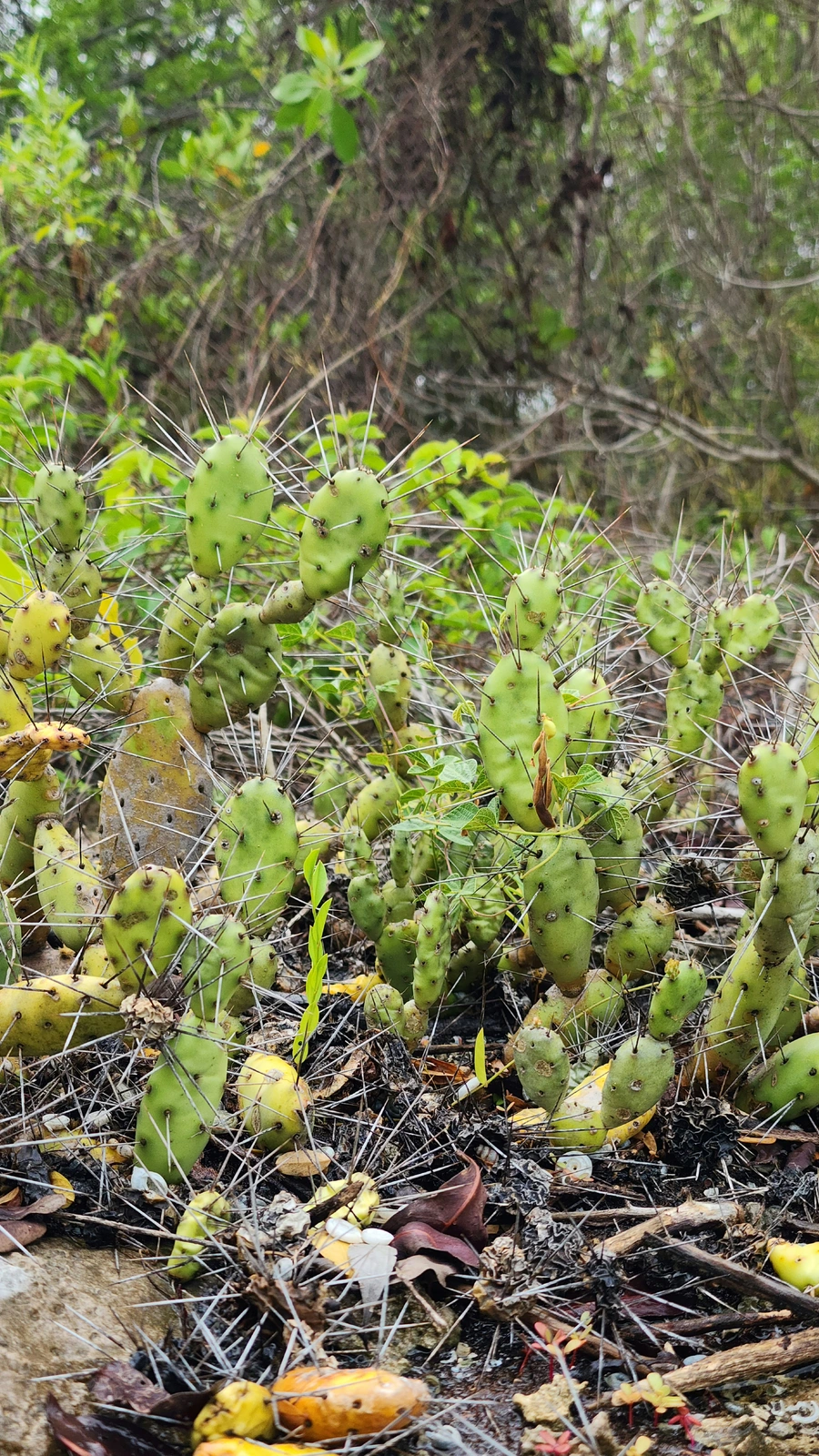
The native range of this species is restricted to the Southeastern USA, specifically Florida and the Florida Keys. It thrives in seasonally dry tropical biomes, growing over limestone outcrops, sandy soils, and coastal scrub zones subject to high salinity and wind 1.

Appearance

Opuntia abjecta features small, flattened, green to grayish-green obovate pads. The areoles bear sharp, stramineous to brownish spines and clusters of fine, irritating glochids. Its flowers are showy, typically bright yellow, opening during late spring to summer 2.

Cultivation

In cultivation, this cactus requires maximum sunlight and a gritty, sharply draining substrate. Watering should be sparse, allowing the soil to dry out completely between applications. During winter dormancy, keeping the plant dry is critical.

Common Cultivation Errors

Overwatering and placing the cactus in low-light environments are the most frequent issues, leading to rapid root rot and weak, elongated stem growth (etiolation).

References

  1. Plants of the World Online (POWO), Kew Royal Botanic Gardens.
  2. GBIF Secretariat (2023). Opuntia abjecta Taxonomic Backbone.
Light

Full Sun

Requires full sun; insufficient light leads to thin, weakened pad growth.
Watering

10-30 Days

Allow soil to dry 100% between waterings. Reduce to a minimum in winter.

Soil

Well-draining, sandy and gritty cactus mix

Highly porous mineral substrate with sand, grit, and very little peat.

Safety

Risky for Pets

Sharp spines and tiny glochids are hazardous to touch; keep away from pets.

Difficulty

Easy

Extremely easy to care for, provided it receives enough light and is not overwatered.

Native Habitat

Southeastern USA, Florida

Found naturally along the coastal areas of southern Florida and the Florida Keys, growing in sandy soils and limestone pockets exposed to full sun and maritime wind spray.

Frequently Asked Questions

Is Opuntia abjecta toxic to pets?
Yes, although it lacks chemical toxicity, the tiny, almost invisible glochids (micro-spines) can easily lodge in a pet's mouth, tongue, or paws, causing severe irritation, pain, and potential infections.
How often should it be watered in a pot?
During summer, water roughly every 10 days only after the soil is completely dry. In winter, reduce watering to once a month or withhold water entirely to keep roots healthy.
Which potting soil should I use?
You should use a cactus mix with excellent drainage, containing coarse sand, perlite, pumice, and minimal organic matter.
How much sunlight does Opuntia abjecta need?
It needs at least 6-8 hours of direct sunlight daily. Insufficient light causes the plant to become weak, thin, and abnormally elongated (etiolation).
Does this cactus bloom indoors?
If provided with abundant direct sunlight and a cool winter dormancy period, it can produce beautiful yellow flowers in spring or early summer.
What is its growth rate?
Opuntia abjecta has a slow to moderate growth rate. Under proper light and watering conditions, it will produce new pads each spring.
Is it cold hardy?
It can tolerate brief, light frosts down to -2°C (28°F) if dry, but potted specimens are best protected from freezing temperatures, preferably kept above 5°C (41°F).
What should be done if its spines get stuck in skin?
To remove the tiny glochids, apply sticky tape (like duct tape or wax strips) to the area and pull it off, then use tweezers to remove any remaining stubborn spines.
When should it be repotted?
Every 2-3 years in early spring. Always use thick leather gloves or tongs to handle the plant when moving it to a slightly larger pot.
What does a softening stem indicate?
Softening at the base or pads is usually a sign of root rot caused by overwatering. Stop watering immediately and cut away any rotten parts with a sterile knife.