
Light
Full Sun
Full direct sun; requires at least 6 hours of direct sunlight daily for healthy growth.
 Reference image
 Reference image
Yellow Prickly Pear
Opuntia amarilla is a drought-tolerant, shrubby cactus species belonging to the genus Opuntia within the Cactaceae family. Characterized by its spreading growth habit and distinct yellowish spines, it is well-adapted to extreme desert conditions 1.
Scientifically designated as Opuntia amarilla, its specific epithet refers to the prominent yellow coloration of its spines and vibrant yellow blossoms. It is commonly referred to as the yellow prickly pear in cultivation 2.
This species is native to the arid and semi-arid regions of Mexico, including states such as Aguascalientes, Coahuila, Hidalgo, Zacatecas, and San Luis Potosí 1. It thrives in dry shrublands, rocky slopes, and poor soils.
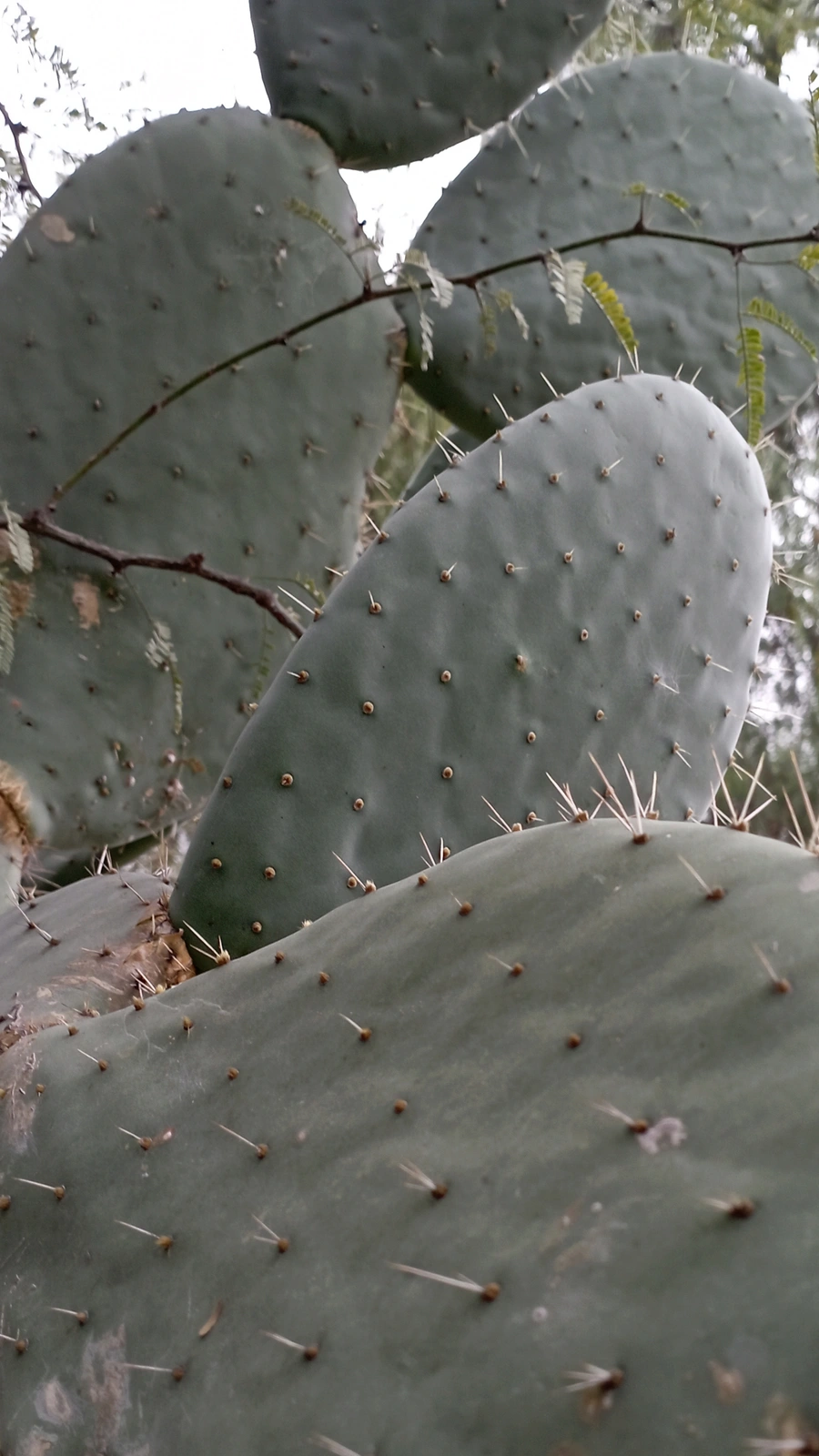
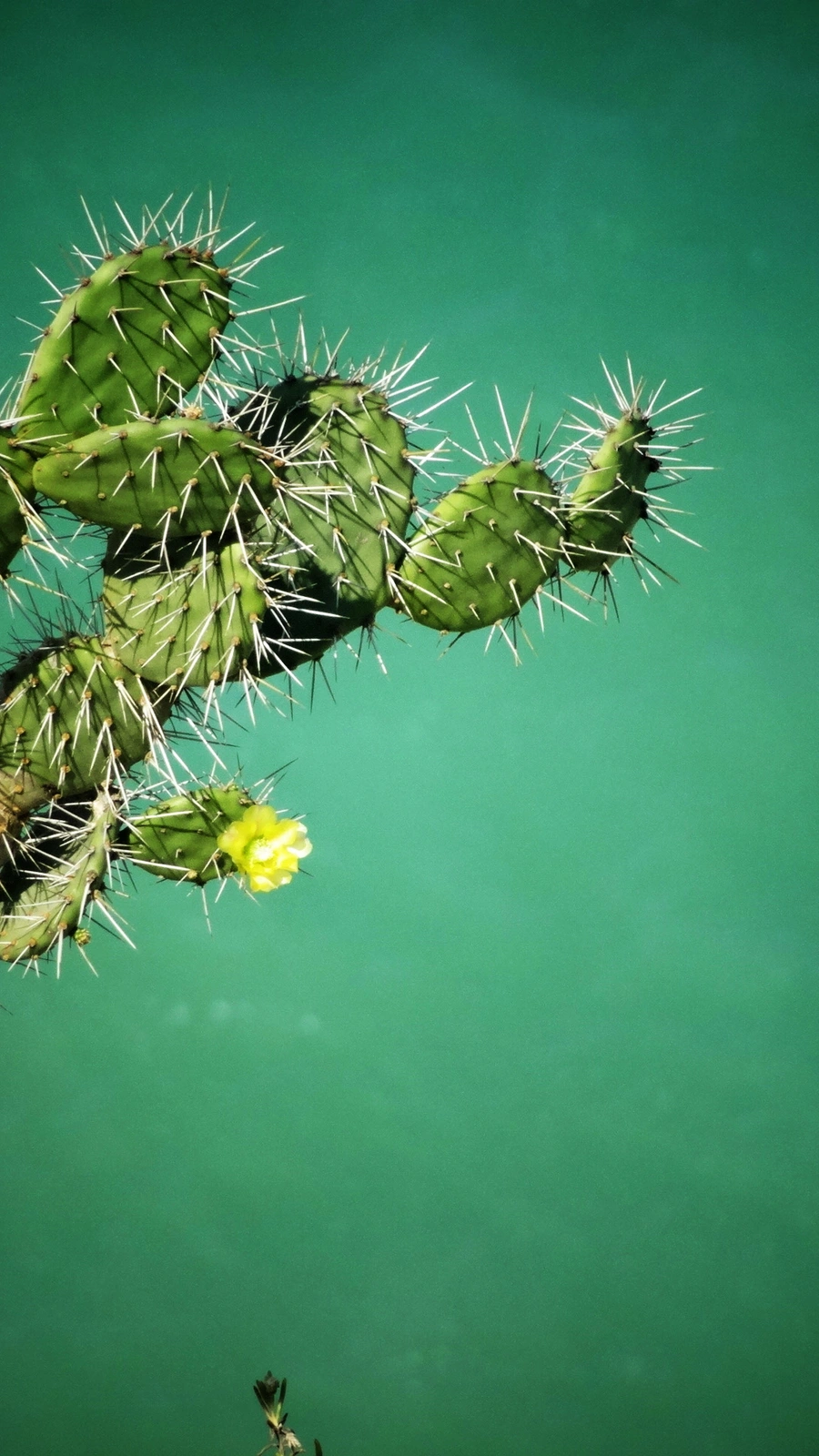
It features fleshy, flattened, oval-shaped stem segments called cladodes. The areoles bear fine, yellowish spines alongside clusters of tiny, irritating glochids. Bright yellow flowers emerge along the margins of the pads in late spring and summer 2.
It requires at least six hours of direct sunlight daily to maintain its compact form and vibrant color. Soil must be highly porous and sandy. Water only when the potting medium is entirely dry, and reduce watering drastically during winter.
Overwatering is the most critical issue, rapidly causing root rot. Insufficient light leads to etiolation, where the pads become thin, pale, and weak. Lack of air circulation in indoor spaces increases vulnerability to fungal infections.
Full direct sun; requires at least 6 hours of direct sunlight daily for healthy growth.
Allow the substrate to dry out fully before watering. Keep nearly bone dry during winter.
Coarse, sandy, and highly porous cactus potting mix with pumice.
Possesses sharp spines and irritating glochids; keep out of reach of pets and children.
Extremely easy to care for as long as you avoid overwatering and provide ample light.
Indigenous to the high-elevation desert shrublands of central and northern Mexican states like San Luis Potosí and Zacatecas.
