
Light
Full Sun
Requires full sun; needs at least 6 hours of direct sunlight daily to prevent weak, leggy growth.
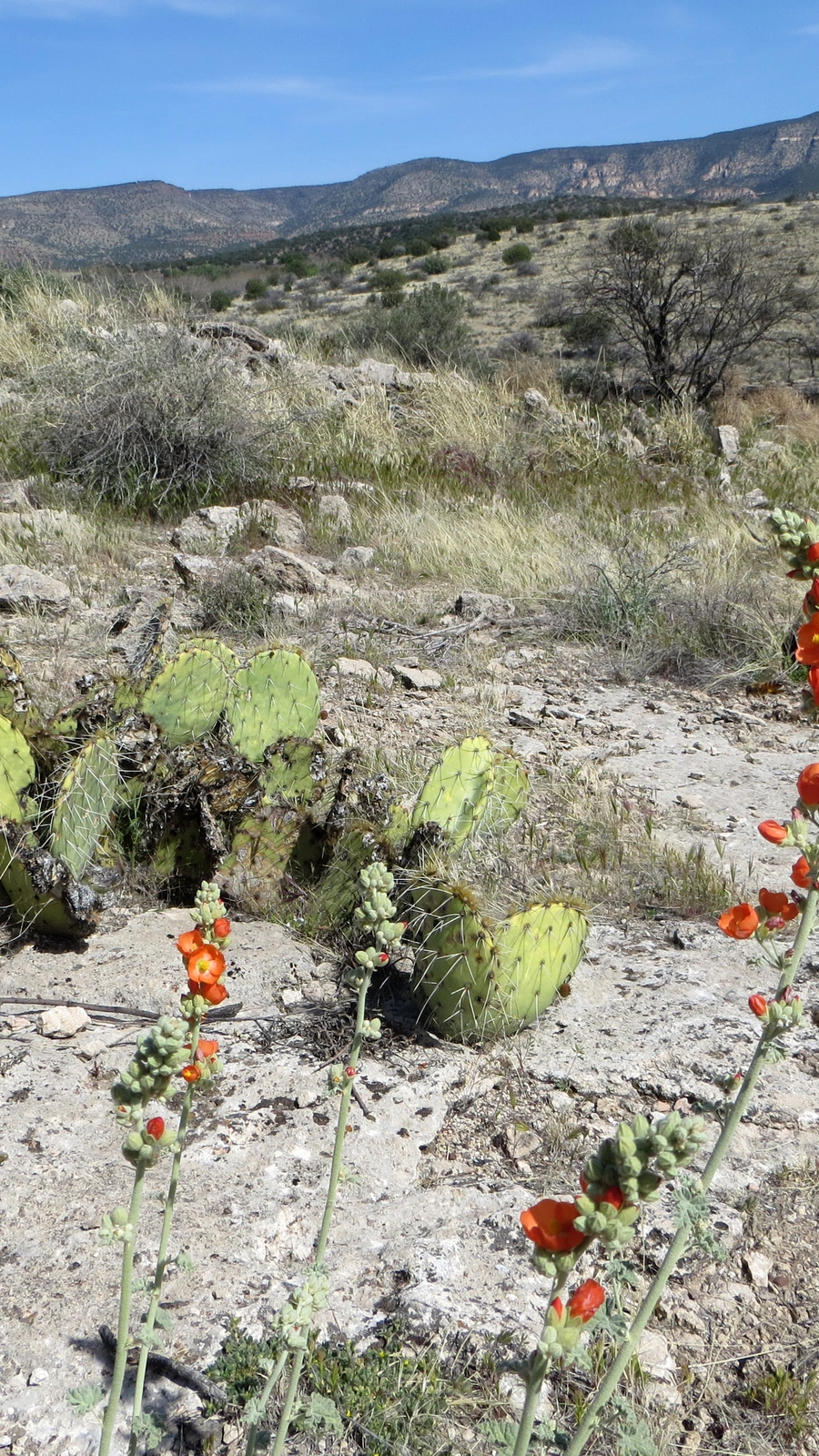 Reference image
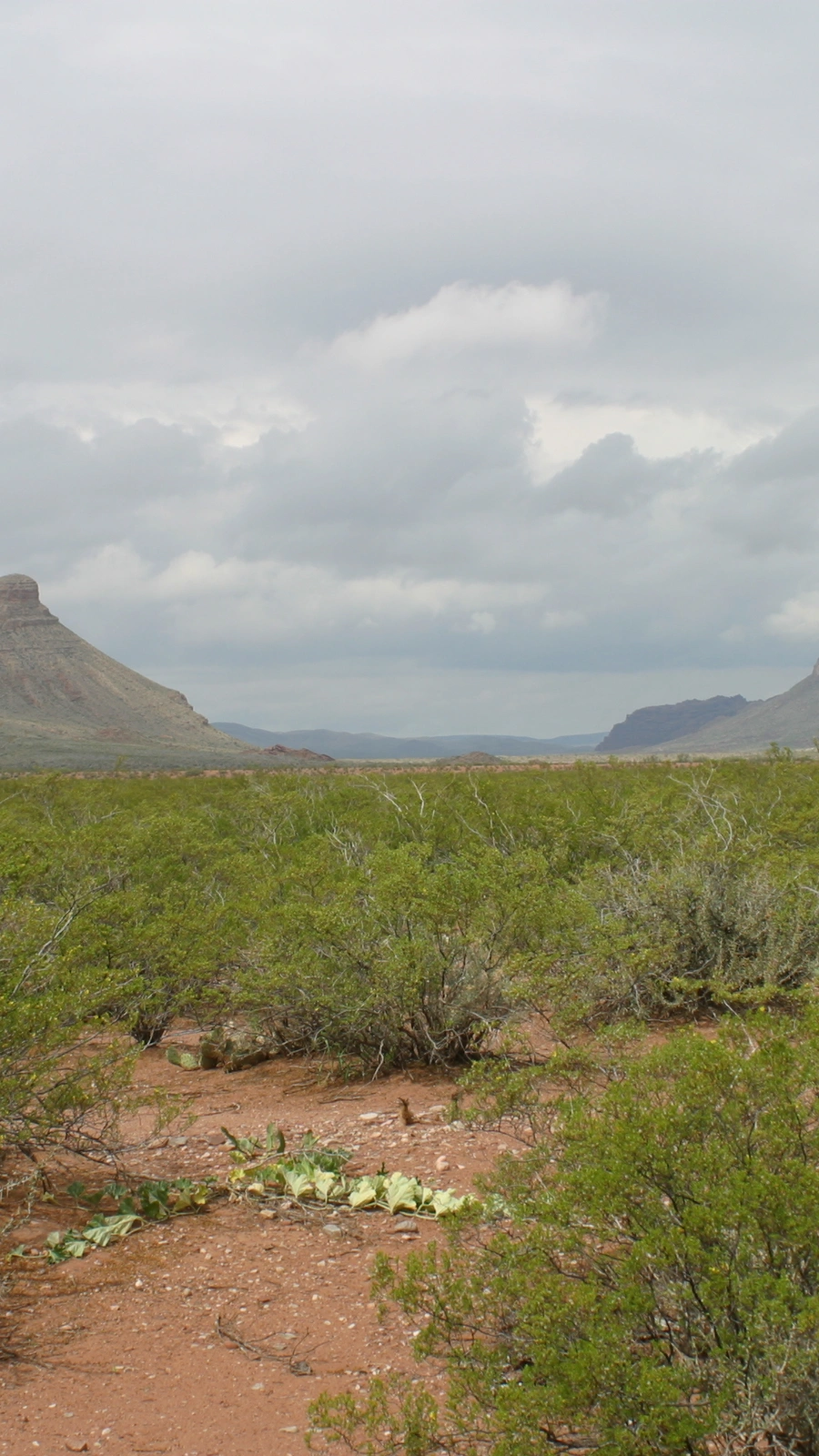 Reference image
Ambiguous Prickly Pear
Opuntia ambigua is a highly resilient cactus species belonging to the family Cactaceae. Known for its adaptability to arid conditions, this plant showcases the characteristic endurance and structural beauty of the Opuntioideae subfamily.
The specific epithet ambigua refers to the historical taxonomic ambiguity surrounding this taxon 1. Due to its morphological variations, it has historically transitioned between several closely related genera, including Maihueniopsis and Tephrocactus, before being classified within Opuntia.
This species is native to the semi-arid, rocky slopes and high-altitude regions of South America 2. It thrives in environments characterized by intense solar radiation, poor nutrient soils, and significant temperature fluctuations between day and night.
Opuntia ambigua features segmented, fleshy, and slightly cylindrical or flattened pads. The areoles carry fine spines alongside glochids—tiny, barbed bristles that easily detach upon contact. During the warm summer months, it produces vibrant, cup-shaped yellow flowers that add brilliant color to its stony appearance.
Cultivating this cactus is highly straightforward, making it perfect for beginners. The primary requirement is an exceptionally porous, mineral-rich soil mix. It demands full sun exposure to maintain its compact growth form and prevent weak stretching.
The most prevalent issue is overwatering during the cold, dormant winter season, which rapidly leads to root rot. Additionally, placing the plant in low-light indoor environments causes etiolation, where the pads grow thin, weak, and pale.
Requires full sun; needs at least 6 hours of direct sunlight daily to prevent weak, leggy growth.
Water thoroughly only when the substrate is completely dry. Keep nearly dry in winter.
Use a specialized, fast-draining cactus mix heavily amended with pumice, coarse sand, and grit.
Equipped with tiny, irritating glochids. Keep out of reach of children and curious pets.
Extremely low-maintenance and highly drought-tolerant, ideal for beginners and neglectful gardeners.
Native to the arid, high-altitude rocky terrains and rain-shadow regions of South America, adapting well to intense sun and thin soils.
