
Light
Full Sun
Requires at least 6-8 hours of direct sunlight daily. Low light causes weak and stretched growth.
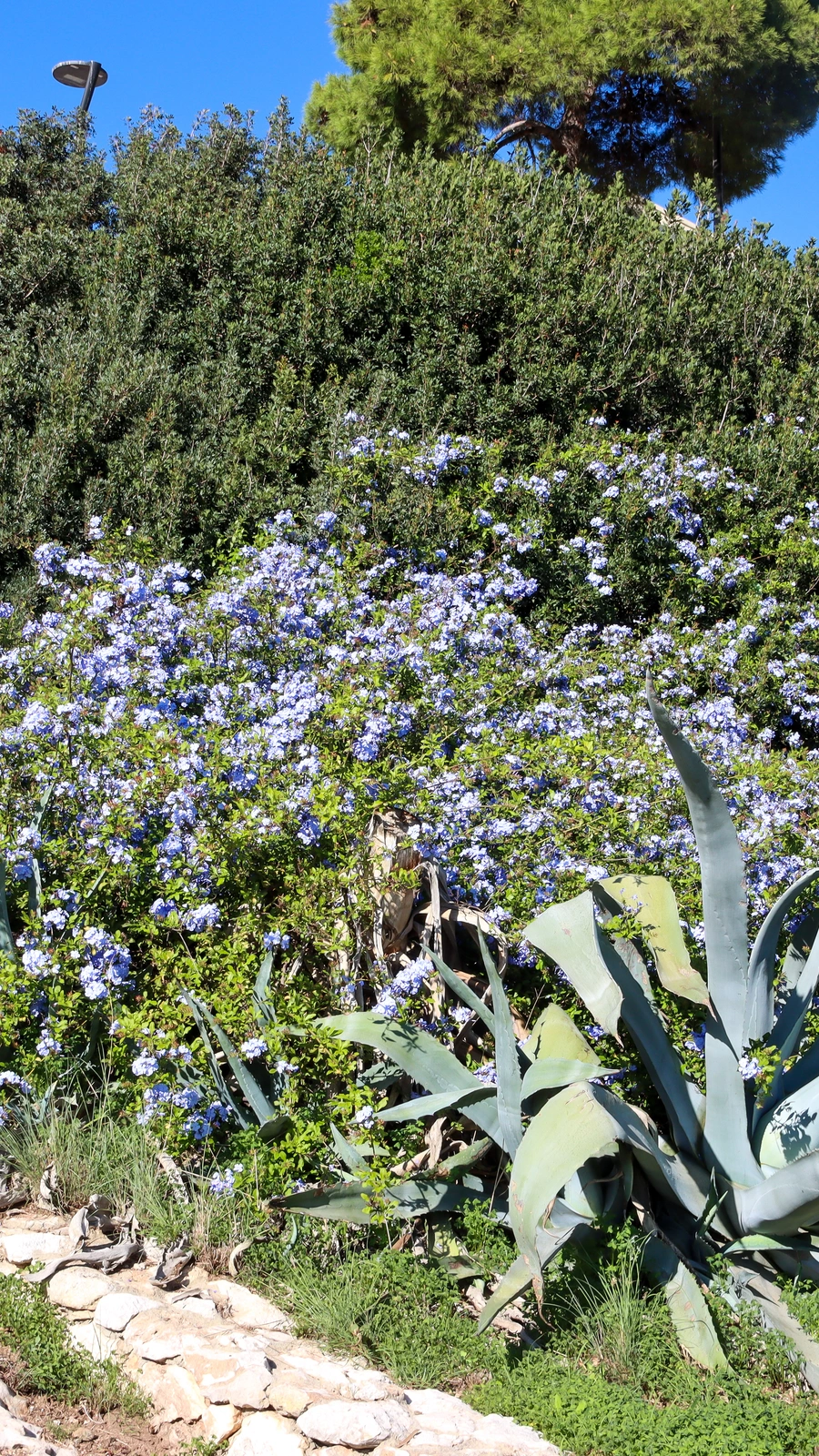 Reference image
American Prickly Pear
Opuntia americana is a resilient and characterful member of the Cactaceae family, commonly recognized as a form of prickly pear cactus. Known for its flattened, fleshy stem segments (cladodes) and exceptional drought tolerance, it is a highly popular species for arid landscaping and indoor succulent collections 1.
The genus Opuntia is one of the largest and taxonomically most complex groups within the cactus family. The name Opuntia americana has historically been used in botanical literature to describe specific American flat-jointed cactus populations. While its exact sub-species boundaries can sometimes be subject to taxonomic debate among botanists, its morphology remains classic to the genus 2.
This species is native to the arid and semi-arid regions of North and Central America. It thrives on sandy slopes, desert flats, and rocky limestone outcroppings. These harsh, sun-baked natural habitats have driven the evolutionary development of its succulent water-storing tissues.
The plant is characterized by jointed, oval-shaped, green to grayish-green pads. The areoles on these pads bear both larger spines and clusters of tiny, barbed bristles called glochids. In late spring and summer, it produces showy cup-shaped flowers in shades of yellow, orange, or red, which develop into fleshy, edible reddish fruits 1.
In cultivation, Opuntia americana requires very little maintenance. The most critical requirements are full sun exposure and excellent soil drainage. Sandy, porous cactus mixes containing ample pumice or gravel are ideal. Watering should be kept minimal, especially during the cold winter dormancy period.
The most frequent errors in caring for this cactus include overwatering, planting in heavy clay soils, and insufficient sunlight. Lack of light leads to weak, elongated growth (etiolation), while poorly drained, soggy soil quickly results in root rot 2.
Requires at least 6-8 hours of direct sunlight daily. Low light causes weak and stretched growth.
Water thoroughly only when the soil is dry. Reduce watering to once a month or less in winter.
Use a specialized cactus mix enriched with coarse sand, pumice, and perlite for optimal drainage.
Possesses tiny, irritating barbed hairs (glochids) that cause skin discomfort. Keep away from pets.
Very easy to care for and highly drought-tolerant; perfect for beginners and forgetful waterers.
Naturally distributed across the arid, desert-like, and rocky landscapes of the Americas. It thrives in well-draining, gravelly soils and open areas exposed to intense sunlight. It is well-adapted to tolerate extreme temperatures and low atmospheric humidity.
