
Light
Full Sun
Requires full sun or direct bright light for at least 6 hours daily to maintain its compact shape.
 Reference image
 Reference image
Anahuac Prickly Pear
Opuntia anahuacensis is a resilient succulent subshrub or shrub belonging to the family Cactaceae, characterized by its ability to thrive in coastal and subtropical environments.
Historically identified within the complex coastal populations of the genus Opuntia, this species was formally described from specimens collected near the Anahuac region in Texas 1. The specific epithet "anahuacensis" directly references this geographic origin 2.
Native to Northern America, specifically the south-central and southeastern United States, including Texas (TEX) and Louisiana (LOU) 1. It typically inhabits coastal dunes, sandy grasslands, and saline flats, tolerating high wind and salt spray under a humid subtropical climate.
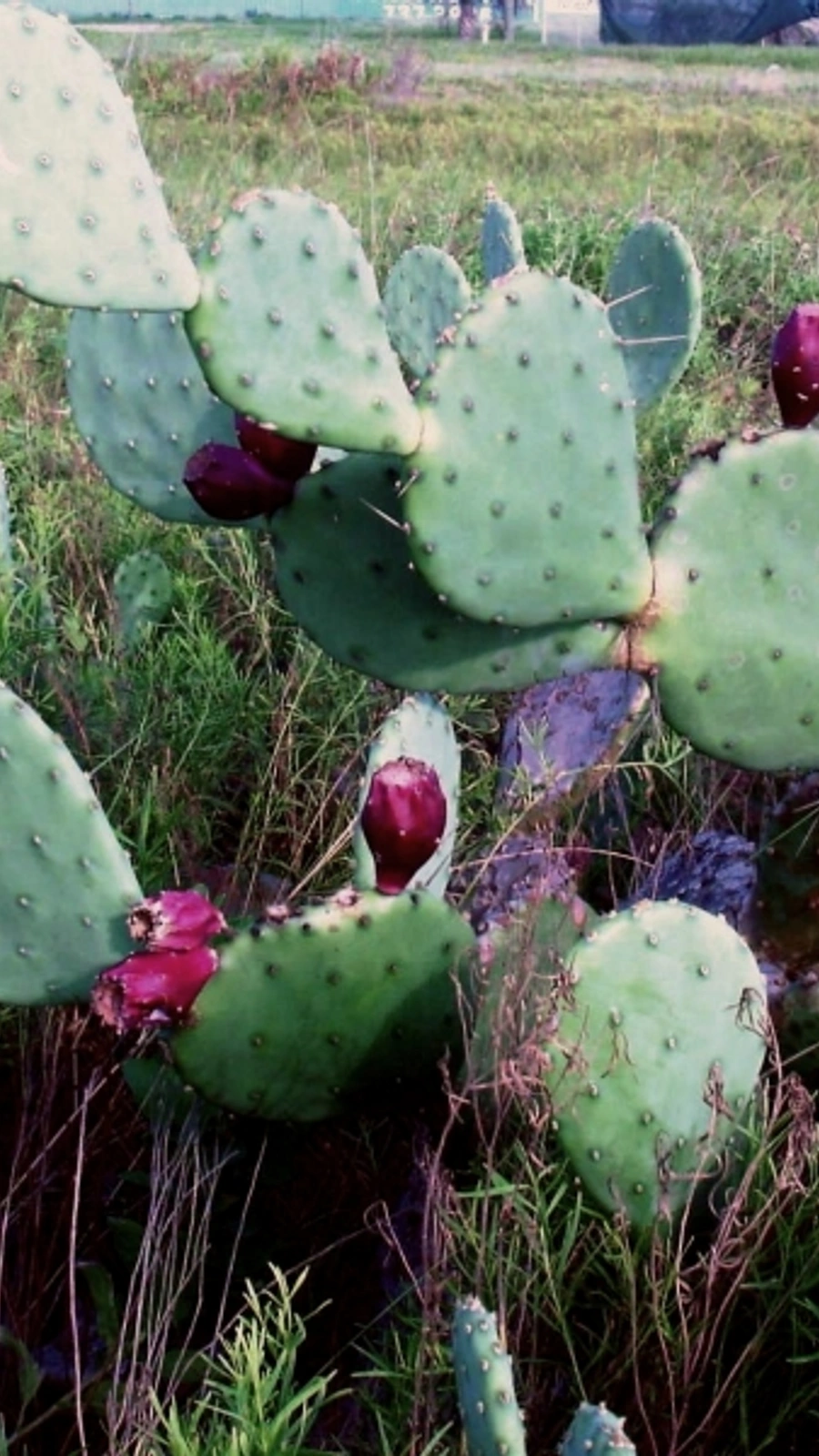
This species forms spreading clumps of flattened, obovate to elliptical green cladodes. The areoles bear fine glochids and occasionally small, yellowish-brown spines. Bright yellow, cup-shaped flowers bloom in late spring, producing pear-shaped, purplish-red fleshy fruits that are attractive to wildlife.
Opuntia anahuacensis requires exceptionally well-drained, sandy substrate and full sun. It is highly drought-tolerant and can endure moderate coastal salt drift as well as occasional light winter frosts.
The most prevalent issue is waterlogging from poorly draining soil or excessive winter watering, which rapidly causes root rot. Lack of sufficient direct sunlight leads to weak, elongated growth.
Requires full sun or direct bright light for at least 6 hours daily to maintain its compact shape.
Drought-tolerant. Allow the soil mix to dry out 100% between waterings, especially in winter.
Thrives in a highly porous mineral mix containing sand, perlite, pumice, and minimal organic matter.
Possesses tiny, easily detached barbed bristles (glochids) that cause skin irritation. Keep out of reach of pets.
Very easy to maintain, ideal for beginners who tend to forget watering their plants.
Naturally distributed along the coastal salt marshes, sandy barrier islands, and coastal plains of the Gulf Coast in Texas and Louisiana.
