
Light
Full Sun
Requires full sun or very bright indirect light. Insufficient light causes weak, leggy growth.
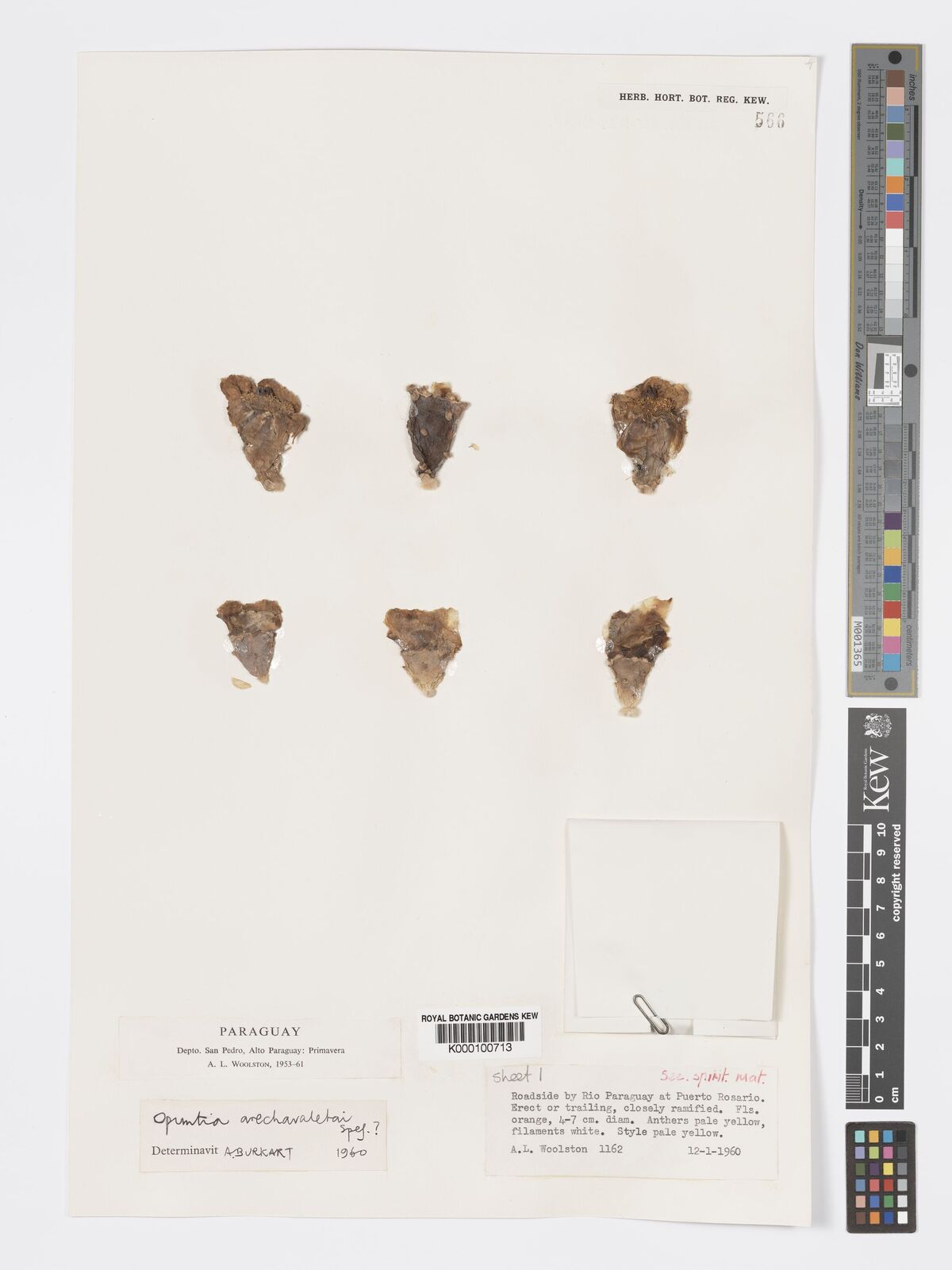 Reference image
Uruguay Prickly Pear
Opuntia arechavaletae is a shrubby, segment-forming cactus species belonging to the family Cactaceae. Native to the subtropical zones of South America, this resilient prickly pear is highly favored among succulent enthusiasts due to its structural aesthetic, vibrant yellow blooms, and exceptional drought tolerance 1.
The species epithet honors José Arechavaleta, a prominent Uruguayan botanist. Within the vast genus Opuntia, this species is distinguished by its specific growth habit and geographical distribution. It shares the common physical traits of the prickly pear group but maintains distinct botanical features in its spination 2.
This cactus is native to Uruguay, southern Brazilian states (including Rio Grande do Sul, Santa Catarina, and Paraná), and northeastern Argentine provinces. It thrives in subtropical biomes, typically establishing in well-drained rocky outcrops, sandy soils, and open grasslands 1.
Opuntia arechavaletae features flattened, obovate to elliptical green cladodes (pads). The areoles bear sharp, needle-like spines accompanied by tiny, barbed glochids that can easily penetrate human skin. During late spring and summer, it produces gorgeous cup-shaped yellow flowers at the margins of the uppermost pads 2.
In cultivation, it requires full sun exposure to maintain its compact growth form and promote flowering. The soil must be highly porous and fast-draining. Water should be applied deeply but only when the substrate has dried out completely. Winter care requires keeping the plant dry and cool.
The most prevalent issue is root rot caused by waterlogged soil or heavy watering during the winter dormancy. Insufficient sunlight leads to etiolation, where the pads grow thin, weak, and pale in search of light.
Requires full sun or very bright indirect light. Insufficient light causes weak, leggy growth.
Water only when the potting mix is bone dry. Extremely drought-tolerant.
Use a specialized porous cactus mix with plenty of sand, perlite, or pumice.
Features tiny glochid bristles that cause skin irritation. Keep away from curious pets.
Very easy to care for; ideal for beginners who tend to underwater their plants.
Naturally occurring in Uruguay, southern Brazil, and northeastern Argentina, inhabiting rocky hillsides and open, sun-drenched subtropical grasslands.
