
Light
Full Sun
Requires full sun, preferably at least 6 hours of direct sunlight daily.
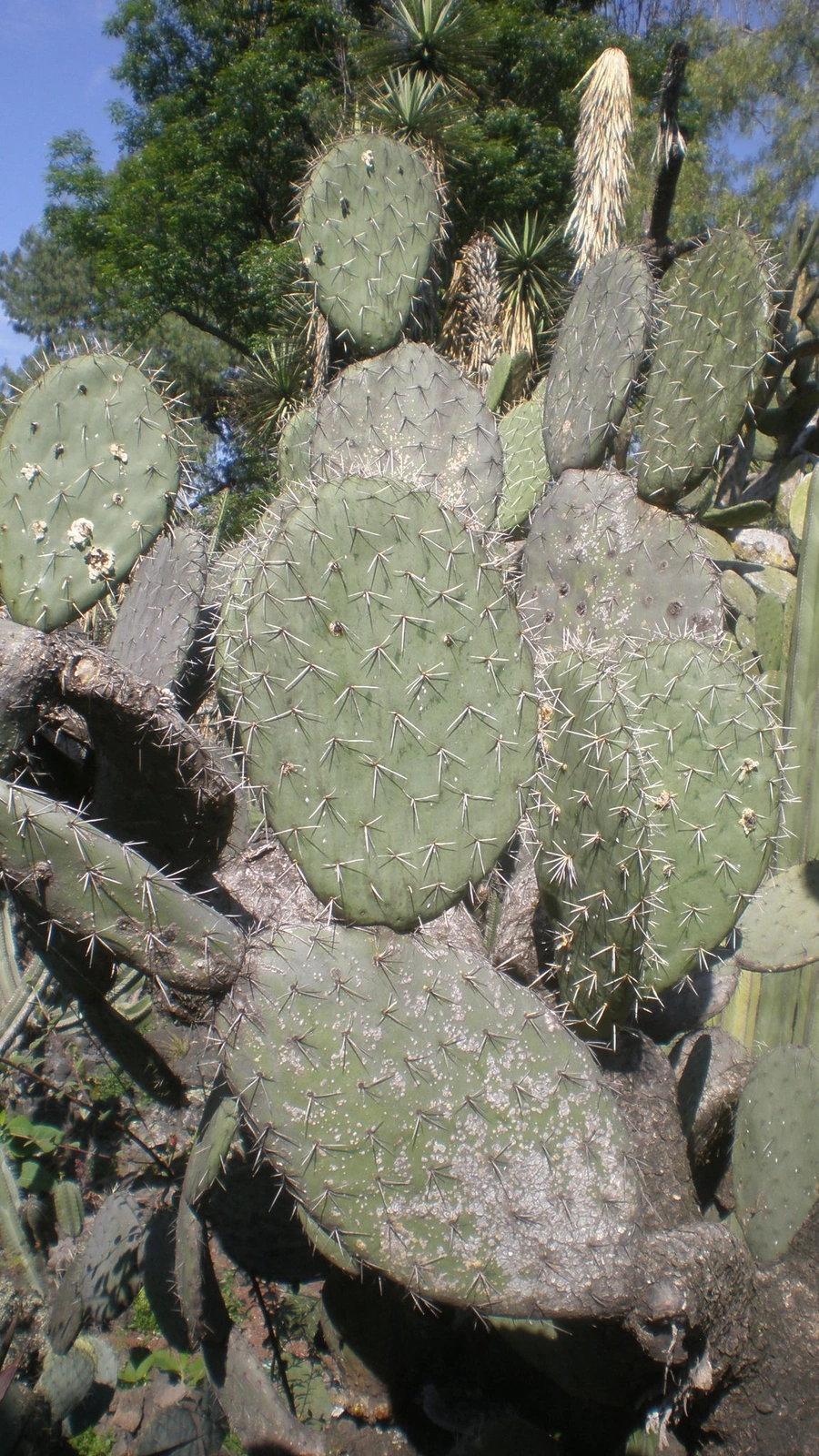 Reference image
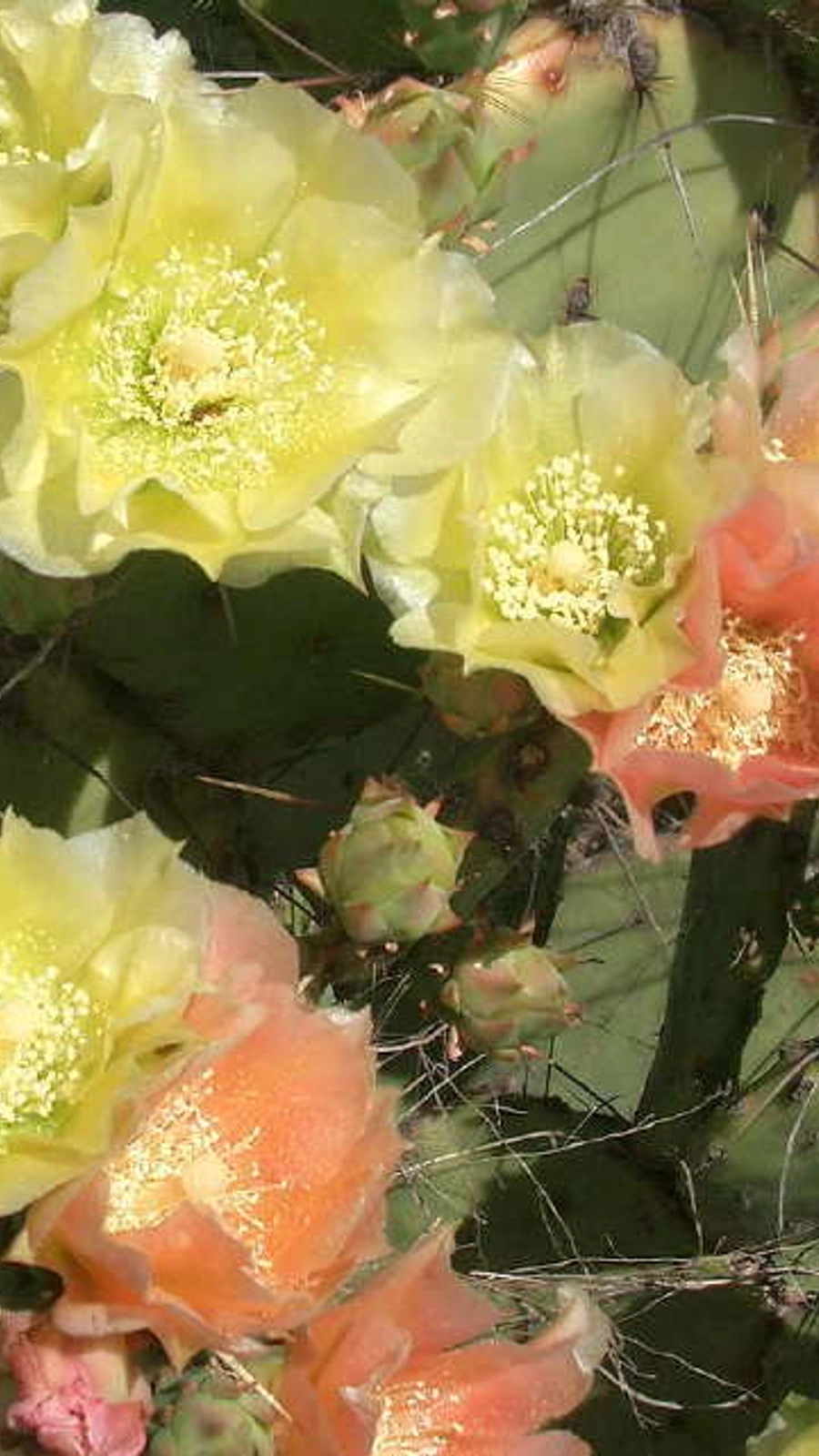 Reference image
Dark-spined Prickly Pear
Opuntia atrispina, commonly known as the dark-spined prickly pear, is a resilient succulent shrub belonging to the family Cactaceae. It is celebrated among collectors for its distinctive bi-colored spines and attractive color-changing blossoms 1.
Described formally by David Griffiths, the species is classified under the genus Opuntia. The specific epithet atrispina derives from the Latin 'ater' (dark or black) and 'spina' (spine), explicitly referencing the dark brown to blackish bases of its mature spines 2.
This cactus is native to the South-Central United States (specifically southwestern Texas) and northeastern Mexico. It thrives within desert or dry shrubland biomes, frequently establishing itself on limestone hills, gravelly slopes, and rocky flats where water drains rapidly 1.
Opuntia atrispina forms a low, spreading shrub reaching up to 1 meter in height. The pads (cladodes) are obovate to suborbicular, pale green or slightly glaucous. Each areole bears several spines that emerge pale yellow but darken with age, particularly at the base, turning dark brown to black. In late spring, it produces beautiful yellow flowers that gradually shift to orange or reddish-pink before fading 2.
In cultivation, it is remarkably low-maintenance, requiring full sun and an extremely porous growing medium. It is drought-tolerant and cold-hardy down to mild freezing temperatures, provided the soil remains completely dry during the winter dormancy period 1.
Overwatering is the primary cause of failure, quickly leading to root rot. Additionally, keeping the plant in shaded conditions causes etiolation, resulting in weak, elongated pads and poor spine development.
Requires full sun, preferably at least 6 hours of direct sunlight daily.
Allow the soil to dry out completely between waterings; keep nearly dry in winter.
Thrives in a mineral-heavy, fast-draining potting mix rich in sand, pumice, and grit.
Equipped with tiny, irritating glochids and sharp spines; keep out of reach of pets and children.
An exceptionally easy-care succulent that tolerates neglect and drought with ease.
Native to the dry limestone slopes, hills, and desert shrublands of southwestern Texas in the United States, extending southwards into northern and central Mexican states.
