
Light
Full Sun
Requires full sun or strong south-facing window light; shade causes weak, stretched pads.
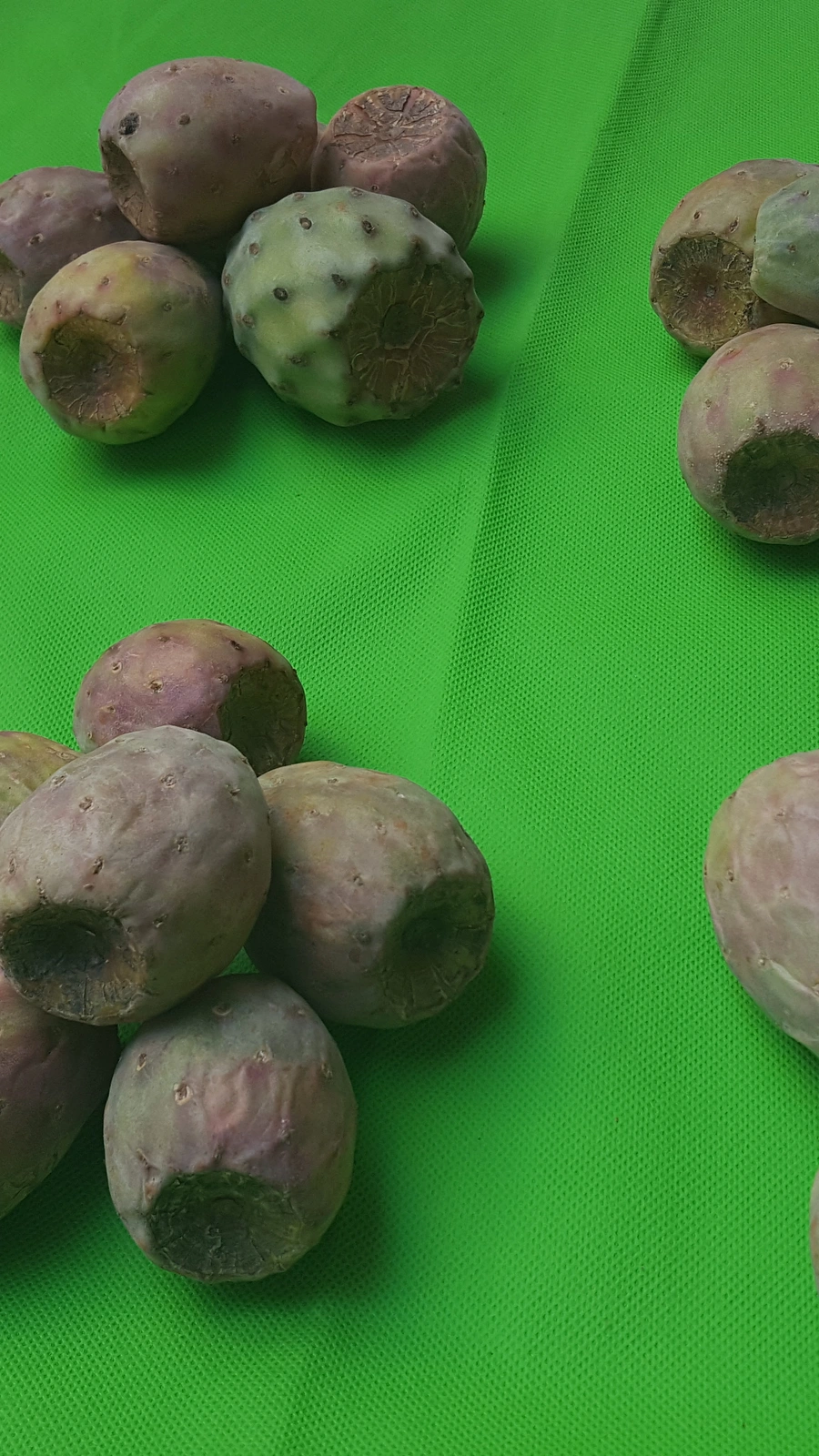 Reference image
Chiang's Prickly Pear
Opuntia chiangiana is a fascinating cactus species belonging to the Cactaceae family, representative of Mexico's rich arid flora. Characterized by its classic prickly pear morphology, it displays unique adaptations to extreme drought conditions 1.
The species is named in honor of the prominent Mexican botanist Fernando Chiang Cabrera. Under the genus Opuntia, it is classified based on its distinctive pad (cladode) structure, glochids, and specific floral characteristics that separate it from related species 2.
Endemic to Mexico, this cactus is native to dry shrublands, semi-desert biomes, and xerophytic scrub regions in the central and southern territories 1. It thrives in well-drained, rocky, limestone-rich soils on sunny slopes.
This species forms branching shrubs composed of fleshy, obovate to oval cladodes that are dull green or slightly glaucous. While large central spines are sparse, its small areoles bear numerous tiny, irritating glochids. The diurnal flowers are bright yellow, producing reddish-purple fleshy fruits 2.
In cultivation, Opuntia chiangiana requires full sun exposure and an open, mineral-based substrate to thrive. Watering must follow a soak-and-dry regimen, ensuring the medium dries out completely between waterings. Protect it from frost and high humidity during the winter 1.
Overwatering and placing the plant in low-light indoor areas are the most common cultivation errors. Insufficient light causes weak, stretched growth (etiolation), and excess water quickly triggers root or pad rot.
Requires full sun or strong south-facing window light; shade causes weak, stretched pads.
Let soil dry completely between deep waterings in summer. Keep almost dry during winter.
Thrives in mineral-rich, highly porous cactus soil mixed with pumice, coarse sand, and perlite.
Equipped with tiny glochids (hair-like spines) that dislodge easily and irritate skin. Keep away from pets.
Very easy to maintain, provided it is not overwatered and receives abundant sunshine.
Found natively in the semi-arid shrublands and rocky slopes of central and southern Mexico, growing in mineral-rich soils under intense solar radiation.
