
Light
Full Sun
Requires full sun, ideally at least 6 hours of direct sunlight daily for healthy growth and flowering.
 Reference image
 Reference image
Chisos Mountain Prickly Pear
Opuntia chisosensis, commonly known as the Chisos Mountain prickly pear, is a shrubby, highly drought-tolerant cactus species belonging to the family Cactaceae 1. It is well-regarded in xeriscape landscaping and container cultivation for its structural form and attractive yellow blooms.
Described formally by Lyman David Benson, the species epithet 'chisosensis' refers directly to its primary wild locality in the Chisos Mountains of West Texas 2. It belongs to the genus Opuntia, known for its jointed cladodes and glochids.
This species is native to North America, particularly restricted to the South-Central United States (trans-Pecos Texas) and northeastern Mexico (Coahuila and Chihuahua) 1. It thrives in volcanic rocky slopes, dry grasslands, and oak-juniper woodlands at elevations ranging between 1,000 and 1,600 meters.
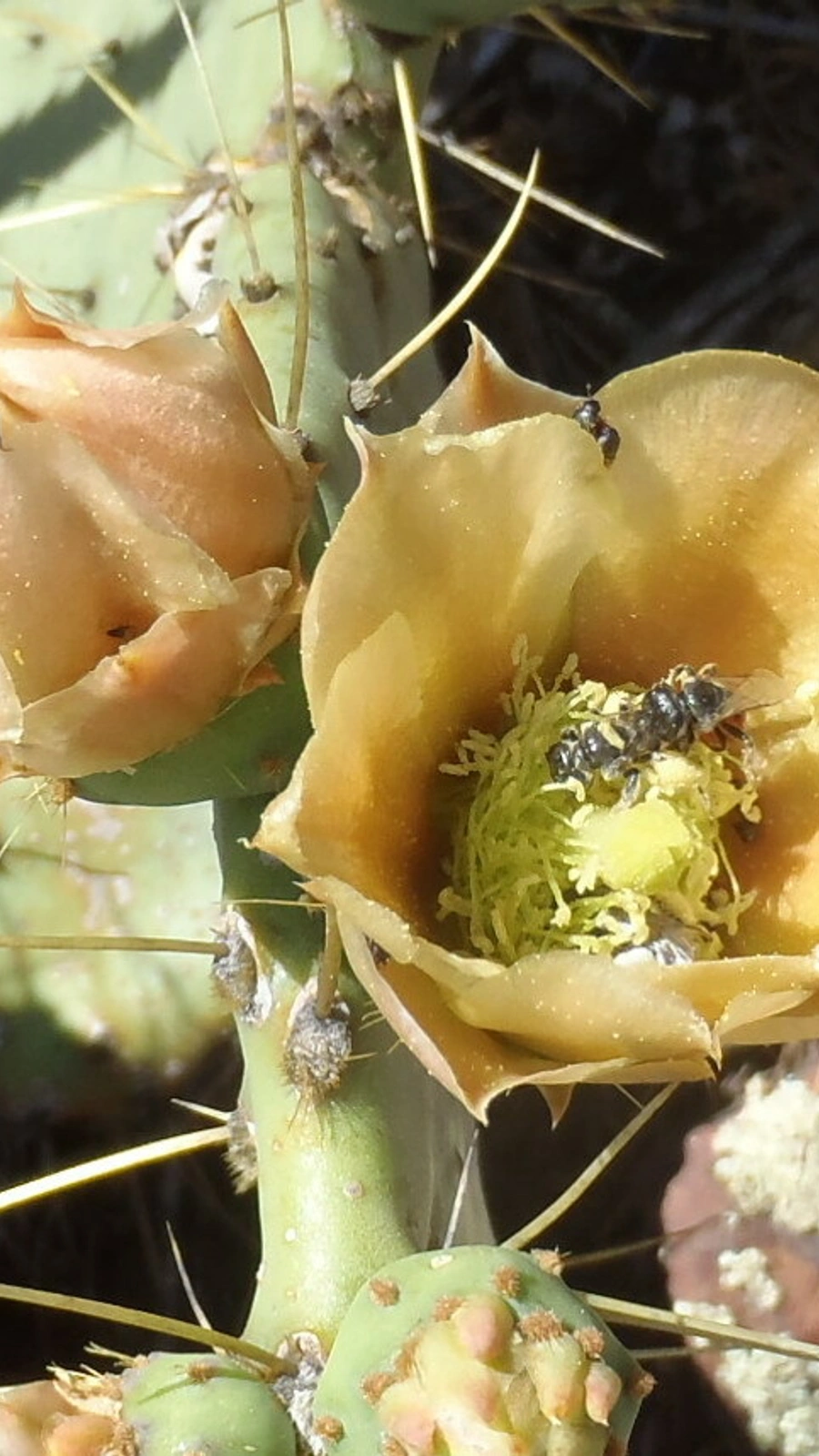
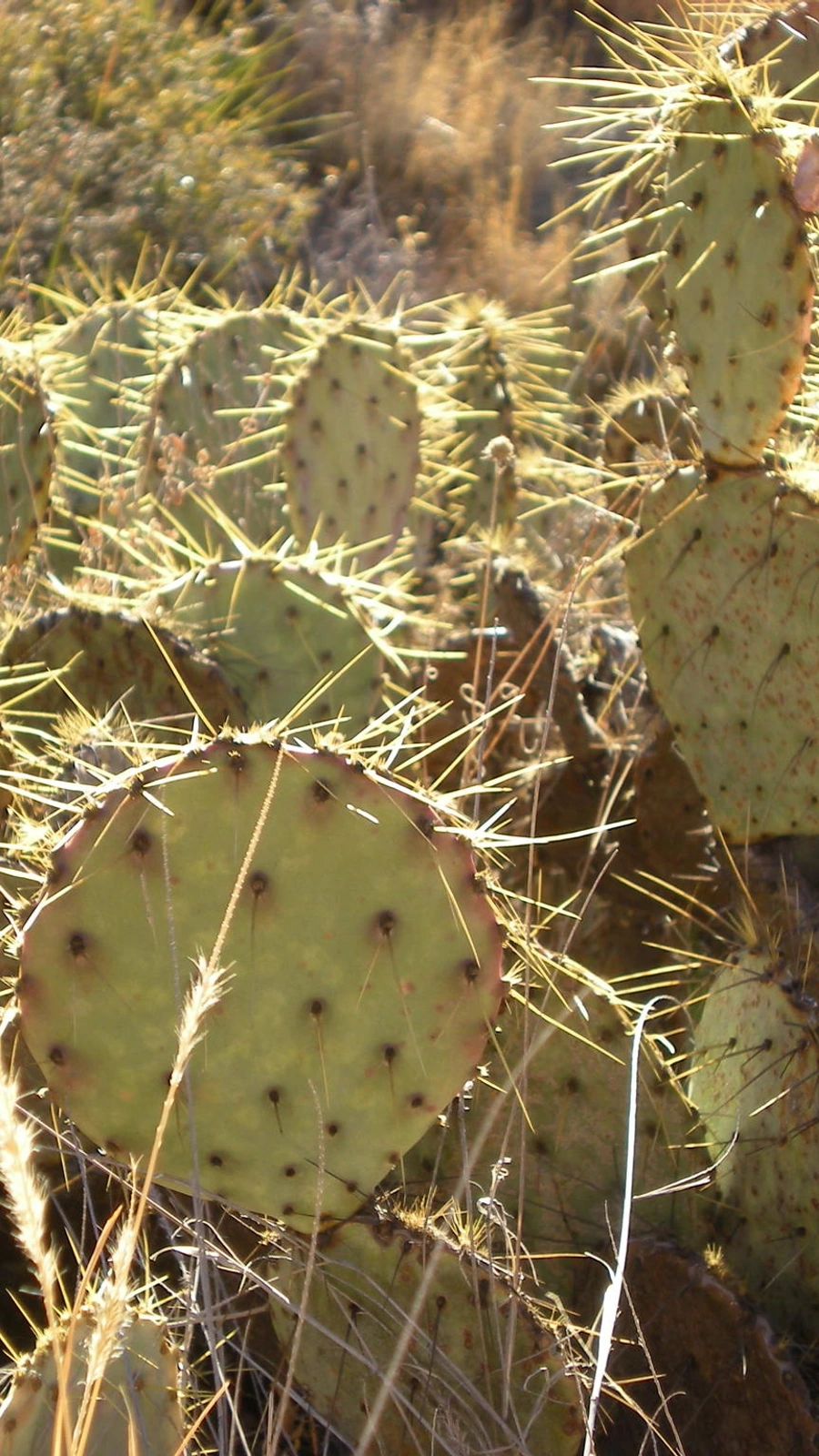
Opuntia chisosensis forms sprawling to upright shrubs up to 1 meter tall. The pads (cladodes) are obovate to orbicular, presenting a grey-green hue. Areoles contain yellowish-brown spines and clusters of fine glochids. Its flowers, appearing in late spring, are bright yellow with reddish bases, followed by fleshy, reddish-purple fruits.
This cactus requires full sun and highly porous, mineral-based soil mixes to prevent root decline. Watering should strictly follow the 'soak and dry' method, meaning water is only applied once the substrate is completely dry. It exhibits moderate frost tolerance if kept dry during winter.
The most frequent error is overwatering in heavy clay soils, which rapidly triggers fungal infections and root rot. Insufficient light exposure leads to etiolation, causing new pads to grow thin and weak.
Requires full sun, ideally at least 6 hours of direct sunlight daily for healthy growth and flowering.
Allow soil to dry out 100% before watering. Reduce to once a month or less in winter.
Thrives in a highly porous, inorganic-rich medium containing coarse sand, pumice, and perlite.
Equipped with tiny, barbed glochids that easily detach and cause skin irritation. Keep out of reach of pets.
An excellent low-maintenance plant suited for beginners; tolerates drought and occasional light frosts.
This species is indigenous to the dry mountainous regions of West Texas, particularly within the Big Bend region, and extends southwards into the northern Mexican states. It is adapted to rocky, well-draining substrates in arid oak-pine woodlands.
