
Light
Full Sun
Requires full, direct sun. Indoors, place it by a south-facing window.
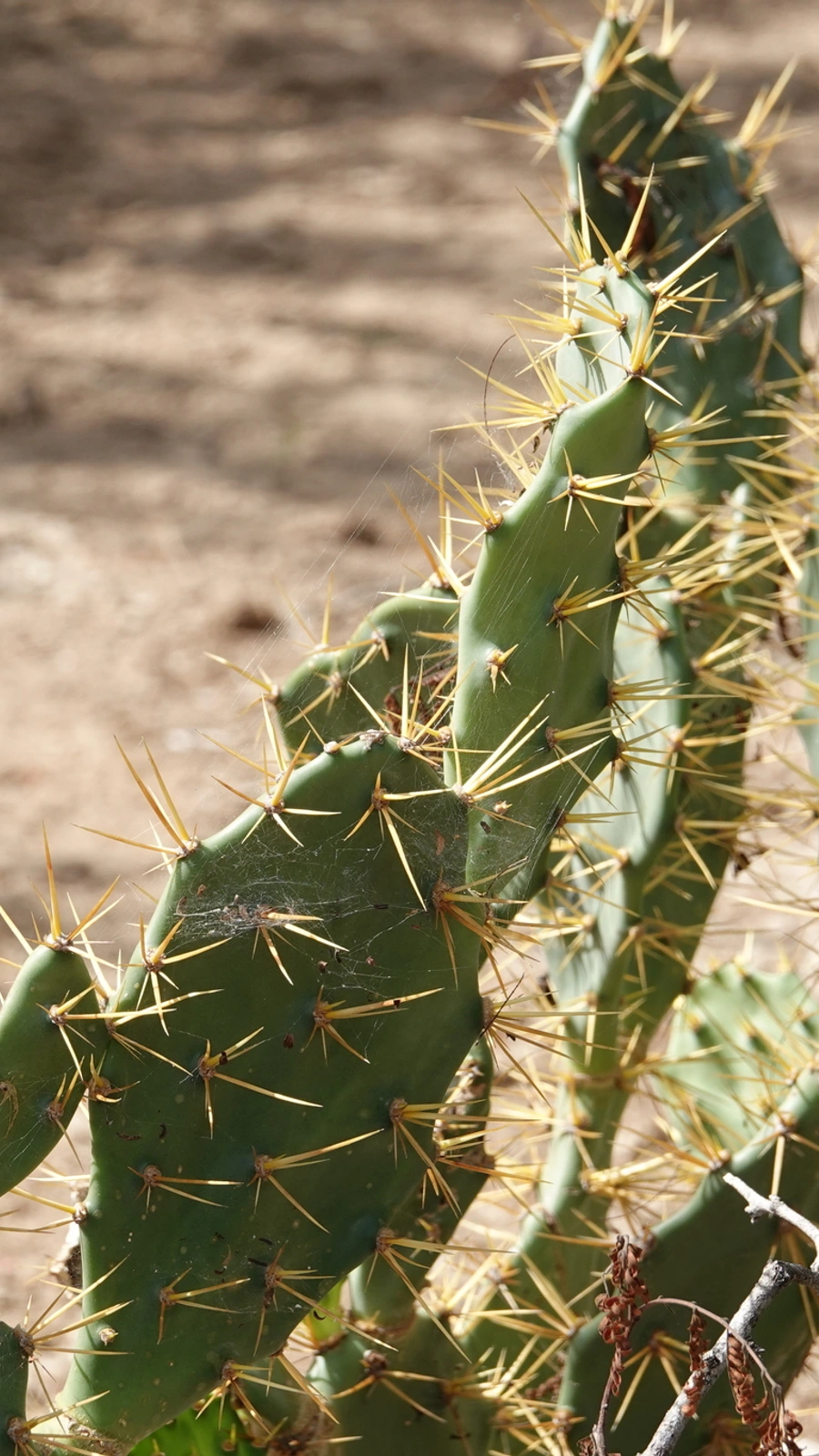 Reference image
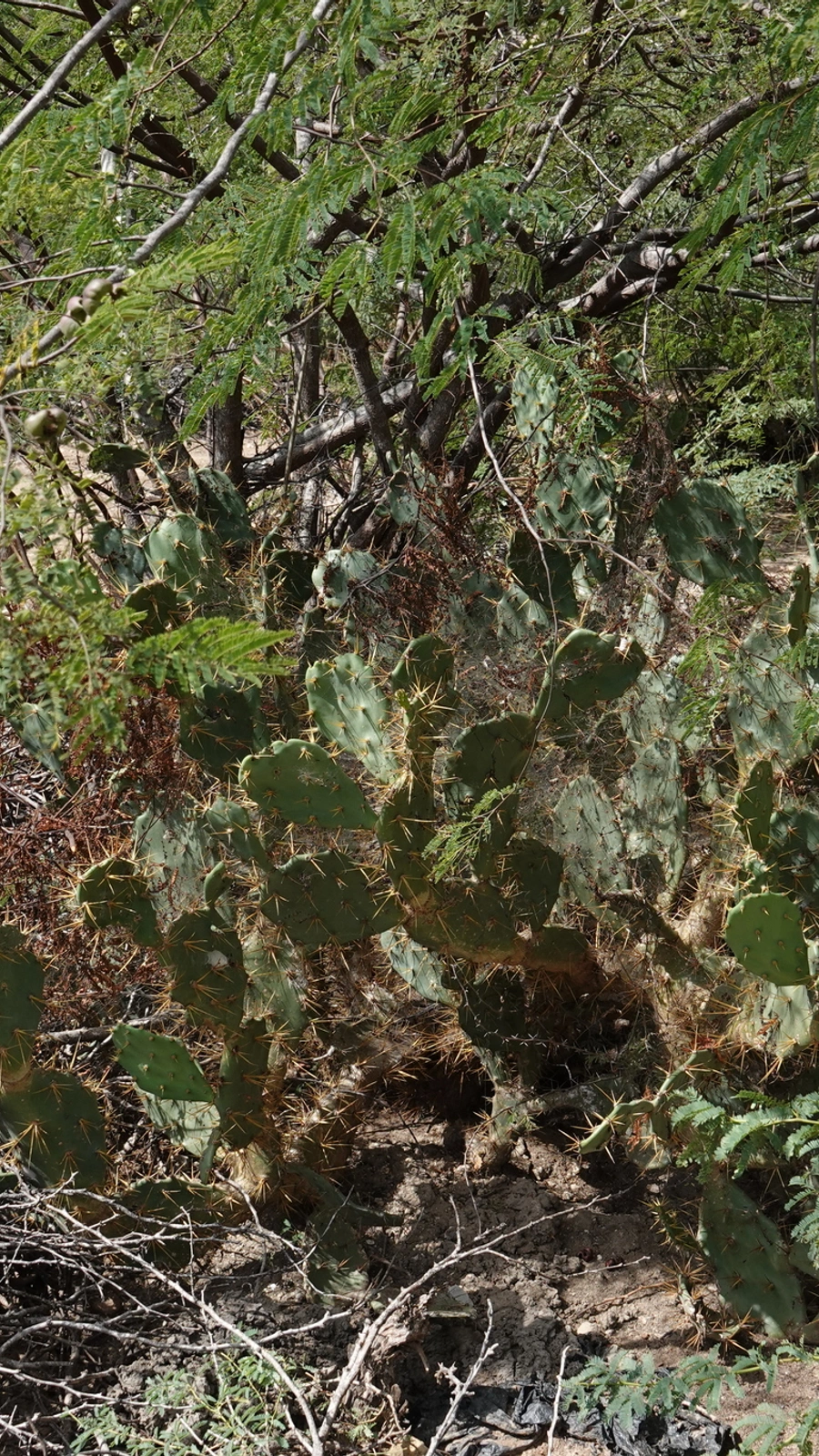 Reference image
Cuban Prickly Pear
Opuntia cubensis is a resilient, shrubby succulent cactus belonging to the Cactaceae family. Known for its distinct jointed pads and arid adaptation, this species represents the classic prickly pear morphology adjusted to coastal and seasonal tropical environments.
Scientifically designated as Opuntia cubensis, the species is widely known under the common name Cuban Prickly Pear 1. It belongs to the diverse genus Opuntia, which is structurally characterized by flat stem segments (cladodes) and specialized microscopic barbed bristles called glochids.
This cactus is native to the Caribbean region, with its primary distribution centered in Cuba 2. It thrives in seasonally dry tropical biomes, often found on dry limestone cliffs, sandy coastal plains, and rocky shrublands where drainage is instantaneous.
Opuntia cubensis forms branched clumps of obovate to elliptical, flattened green segments. The areoles carry both stout central spines and clusters of yellowish-brown glochids. During the warm months, it produces brilliant yellow cup-shaped flowers at the pad margins, followed by fleshy reddish fruits.
In cultivation, it requires maximum direct sunlight and exceptionally well-draining soil mixes high in coarse sand and pumice. Watering must follow a soak-and-dry approach. It is highly drought-tolerant and benefits from dry atmospheric conditions.
The most critical threat to this species is overwatering, which quickly triggers root rot in heavy soils. Insufficient light exposure leads to weak, elongated growth (etiolation) and diminishes flowering potential.
Requires full, direct sun. Indoors, place it by a south-facing window.
Water only when the substrate is 100% dry. Minimize watering during winter.
Use a mineral-rich, porous cactus mix with plenty of pumice or perlite.
Equipped with sharp spines and tiny glochids that cause skin irritation. Keep away from pets.
Highly resilient and beginner-friendly, requiring minimal active maintenance.
Native to the dry coastal regions and limestone habitats of Cuba and the wider Caribbean, thriving in areas with low seasonal precipitation and intense sun exposure.
