
Light
Full Sun
Requires full sun to thrive; ideal for south-facing windows or sunny outdoor patios.
 Reference image
 Reference image
Low Prickly Pear
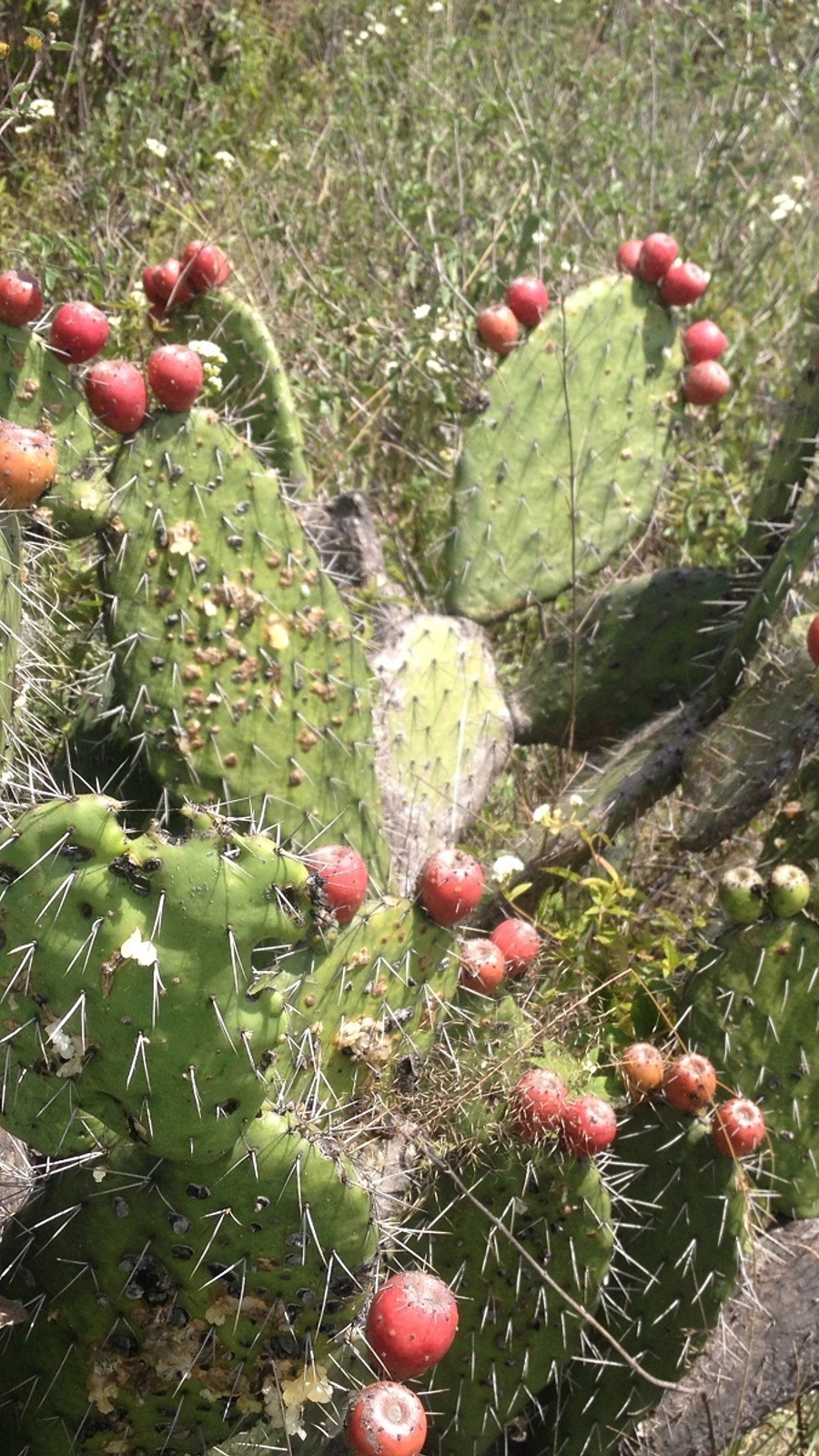
Opuntia depressa is a spreading, low-growing cactus species belonging to the family Cactaceae. Known for its prostrate habit and resilient nature, it is a classic representative of xerophytic vegetation adapted to arid and semi-arid environments.
Scientifically described by Rose, the specific epithet 'depressa' refers to its low-lying, sprawling growth form. It is commonly classified under the genus Opuntia, which comprises the well-known prickly pears 1.
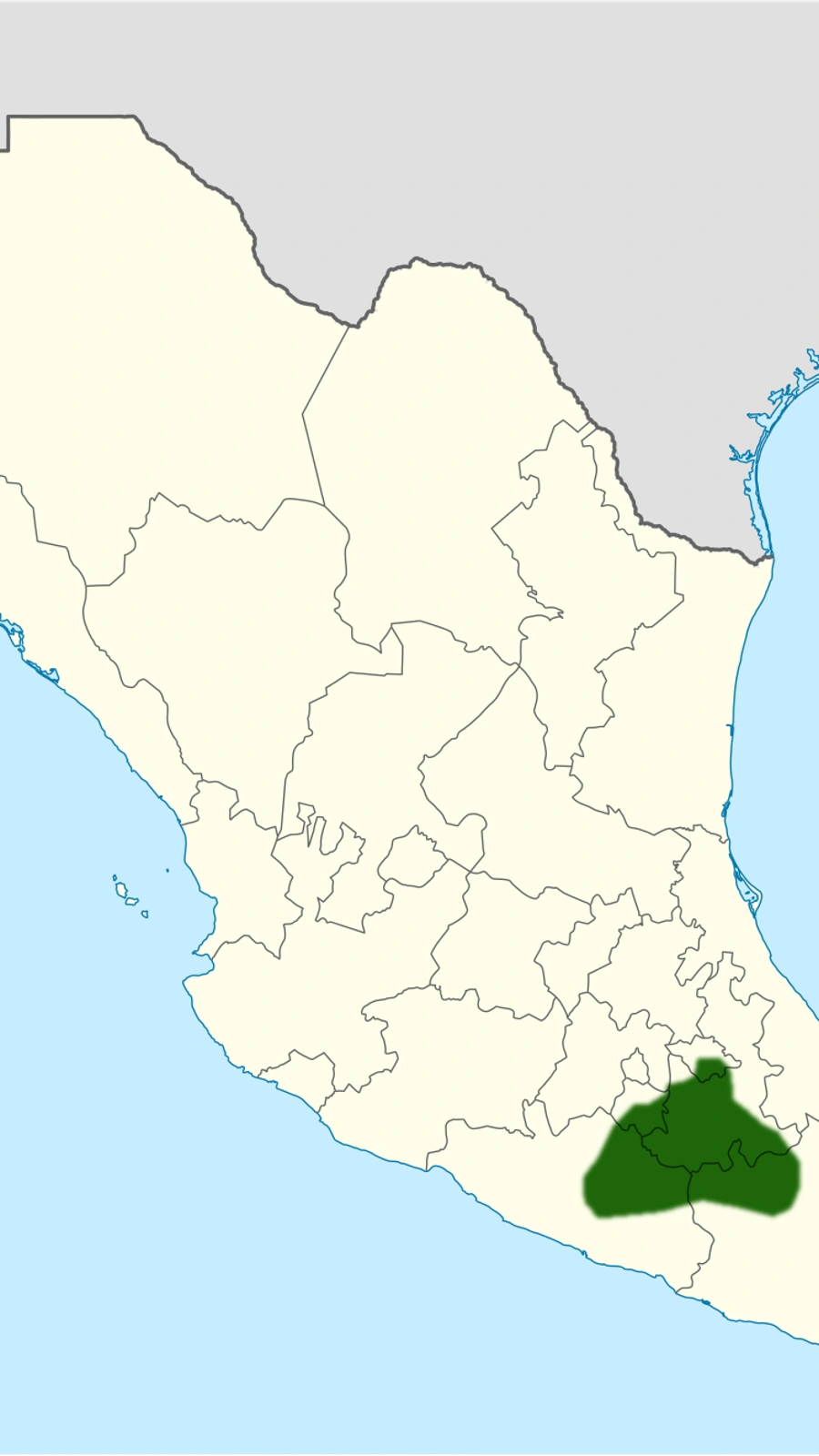
This species is native to central and southern Mexico, including states like Guerrero, Morelos, Oaxaca, and Puebla 2. It thrives in tropical deciduous dry forests, dry shrublands, and rocky limestone slopes.
It forms low, dense thickets of obovate to elliptical, grayish-green pads (cladodes). The areoles bear yellow glochids and few needle-like spines. During late spring, it produces attractive yellow to light orange flowers, followed by edible, reddish, egg-shaped fruits.
In cultivation, it requires full sun and exceptionally well-draining soil. It is drought-tolerant and benefits from the 'soak and dry' watering method. It has moderate cold hardiness if kept completely dry during winter.
The most frequent mistake is overwatering, particularly in winter, which quickly leads to root rot. Keeping the plant in shaded positions causes thin, weak growth (etiolation) and prevents blooming.
Requires full sun to thrive; ideal for south-facing windows or sunny outdoor patios.
Allow the soil to dry out completely between waterings. Water sparingly during winter.
Use a specialized cactus mix enriched with coarse sand, pumice, or gravel to ensure rapid drainage.
Non-toxic, but features highly irritating, microscopic glochids that easily lodge in skin.
Very easy to care for, making it perfect for beginners who tend to forget watering.
Native to the arid and semi-arid habitats of central and southern Mexico, where it typically populates limestone hills, dry shrublands, and tropical deciduous forests in states such as Oaxaca and Puebla.
