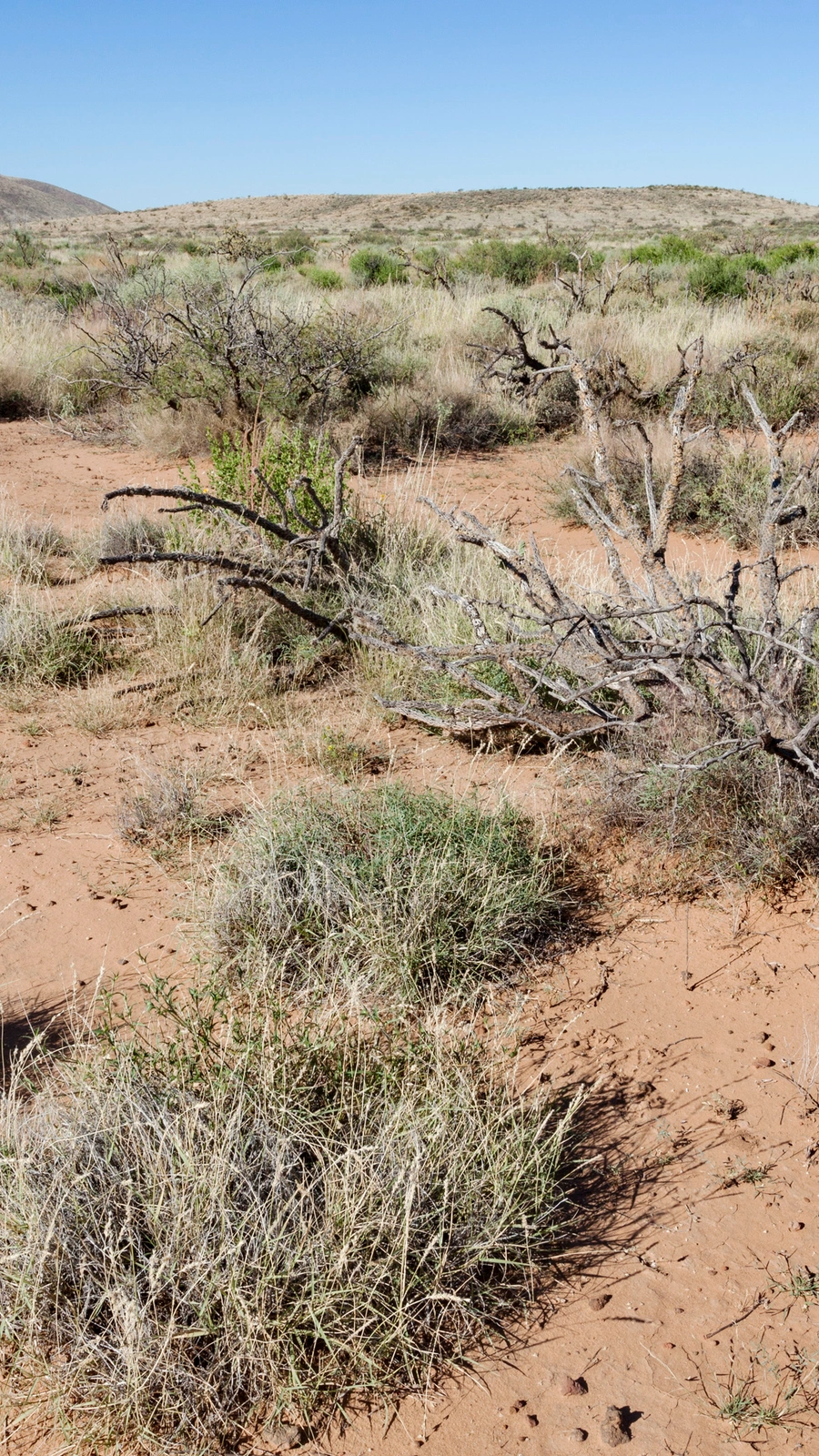
Opuntia erecta

Overview

Opuntia erecta is an upright, shrubby cactus species belonging to the family Cactaceae, characterized by its flattened, fleshy stem segments known as cladodes.

Taxonomy and Naming

Belonging to the hyper-diverse genus Opuntia, the species name Opuntia erecta specifically references its distinctive, skyward-pointing vertical growth habit (from Latin 'erectus' meaning upright or erect) 1.

Distribution and Habitat

This cactus is native to the arid and semi-arid regions of South America 2. It is typically found thriving in rocky slopes, sandy soils, and open landscapes with minimal shade.

Appearance

It features bright to dull green, oval-shaped pads covered in small clusters of glochids (tiny hair-like spines) and longer, needle-like spines. During late spring to summer, it produces showy yellow or orange flowers.

Culture and Care

In cultivation, it demands maximum sunlight, low atmospheric humidity, and a highly porous substrate. Watering must be strictly limited to when the soil is completely dry to prevent rot.

Common Care Mistakes

Overwatering is the primary cause of failure, leading to root rot. Additionally, placing the plant in dark corners leads to etiolation (weak, stretched growth) 3.

Bibliography

References

  1. Plants of the World Online (POWO), Royal Botanic Gardens, Kew.
  2. GBIF Secretariat (2023). Opuntia species Checklist Dataset.
  3. Anderson, E. F. (2001). The Cactus Family. Timber Press.
Light

Full Sun

Requires full sun or very bright direct light to maintain its upright form and avoid stretching.

Watering

12-30 Days

Water deeply only when soil is 100% dry; suspend watering almost completely during cold winter months.

Soil

Well-draining, sandy and pumice-rich cactus soil mix

Requires a gritty, highly porous mineral substrate rich in pumice and coarse sand.

Safety

Contact/Ingestion Risk

Non-toxic, but highly irritating to skin and paws due to easily detached microscopic glochids.

Difficulty

Easy

Extremely easy for beginners, provided it is not overwatered and receives adequate light.

Native Habitat

South America

Native to the dry, stony, and arid plains of South America. It thrives in high temperatures and low-nutrient soils, adapted to survive extended droughts.

Frequently Asked Questions

Can Opuntia erecta be grown indoors?
Yes, but it must be placed in a south-facing window that receives full, direct sunlight all day. Insufficient light causes weak, stretched growth.
How often should I water Opuntia erecta?
Water it roughly every 12 days in summer once the soil is completely dry. In winter, reduce watering to once a month.
Is it toxic to pets?
It is not chemically toxic, but the tiny, hair-like glochids can lodge into pets' paws or mouths, causing severe mechanical irritation.
What is the best soil mix?
Use a specialized cactus mix heavily amended with pumice, lava rock, or perlite to ensure maximum drainage.
When and how does Opuntia erecta bloom?
Mature plants that receive abundant sun and a cool winter dormancy period will produce bright yellow to orange flowers in late spring or summer.
When should I repot this cactus?
Repot every 2-3 years in early spring using thick protective gloves, choosing a container just one size larger.
What does a shriveled stem mean?
Shriveling usually indicates prolonged under-watering. However, if the soil is wet, it is a sign of root rot.
How should I protect it from winter cold?
It can tolerate brief drops to -5°C, but it is best kept in a cool, indoor space to protect it from persistent frost.
What is its growth rate?
Opuntia erecta has a moderate to fast growth rate for a cactus, potentially growing several new pads each summer.
Can it be propagated from pads?
Yes, a healthy pad can be detached, left to callus for a few days, and then planted in dry sandy soil where it will root easily.