
Light
Full Sun
Thrives in full sun, requiring at least 6 hours of direct sunlight daily.
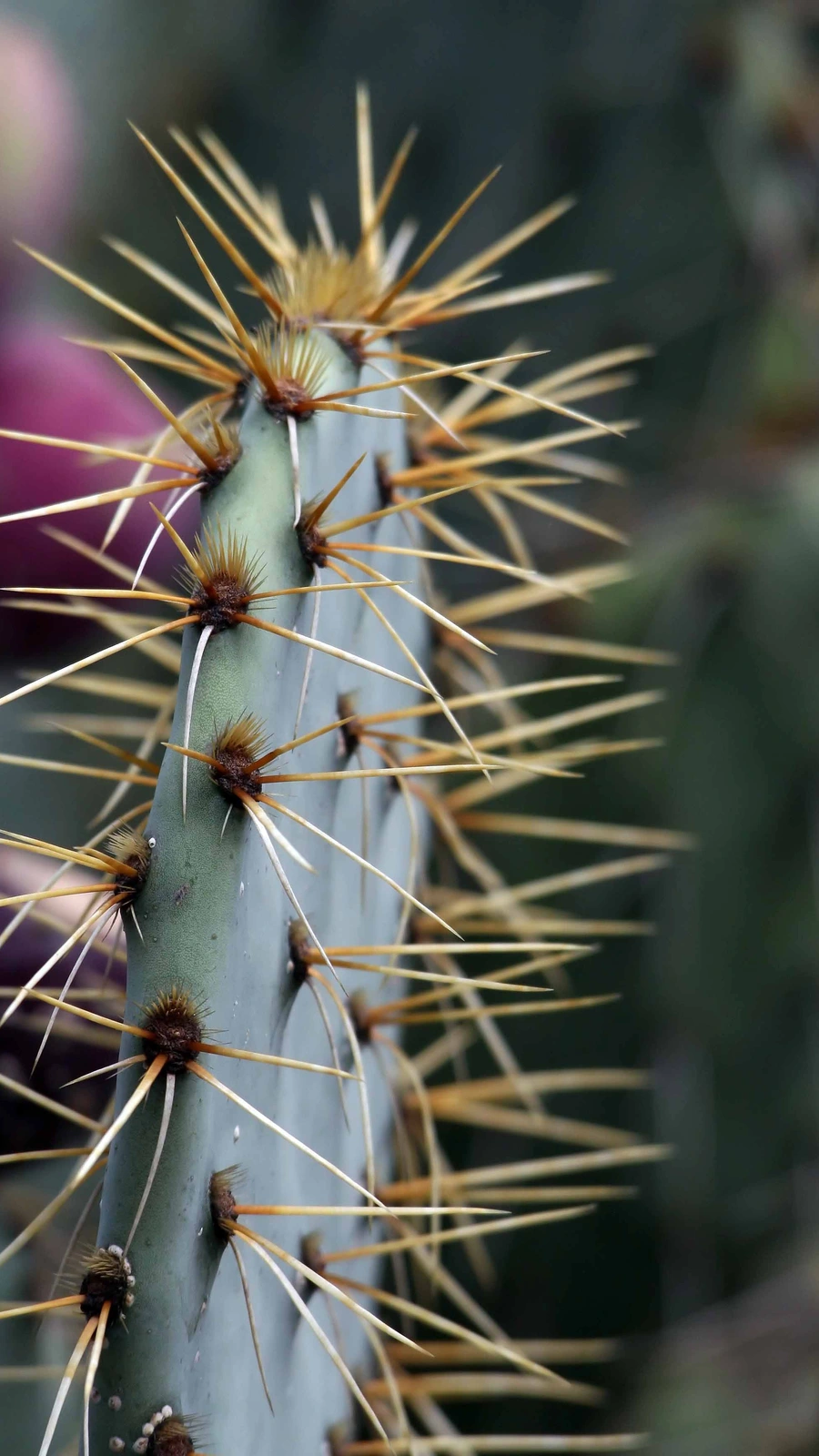 Reference image
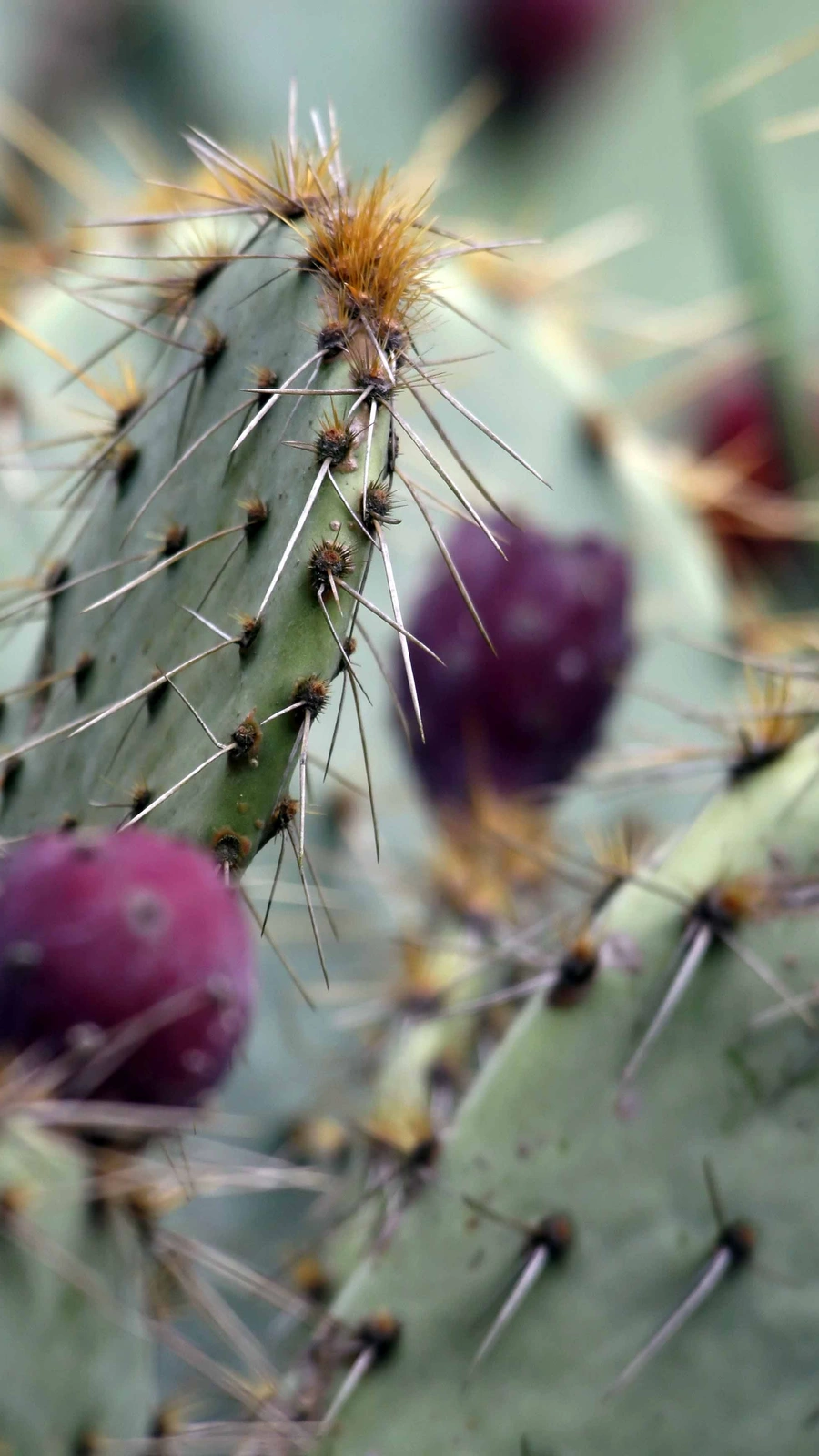 Reference image
Yellow-spined Prickly Pear
Opuntia flavispina is an eye-catching cactus species belonging to the Cactaceae family, renowned for its vibrant yellow spines and fleshy, segmented pads 1. Perfectly adapted to arid desert environments, this succulent subshrub is highly valued in xeriscaping and sunny indoor collections.
Classified under the diverse Opuntia genus, its specific epithet flavispina translates to "yellow-spined" in Latin. While sometimes taxonomically allied or synonymized with varieties of Opuntia engelmannii, it remains distinct in horticultural circles due to its brilliant spination 2.
This species is native to North America, particularly distributed across the southwestern United States (Arizona) and northwestern Mexico (Sonora, Baja California, Sinaloa) where it thrives in deserts and dry shrublands 1.
It features flattened, obovate, green pads heavily armed with clusters of bright yellow spines. During spring and early summer, it produces large, showy yellow-to-orange flowers at the margins of the pads, followed by edible reddish-purple fruits.
It requires full sun and highly porous, well-draining soil. Water deeply but infrequently, allowing the medium to dry completely. It is remarkably drought-tolerant and exhibits moderate frost tolerance 2.
The most frequent issue is root rot caused by overwatering or poorly draining soil. Inadequate light leads to etiolation, where the pads grow weak, pale, and unnaturally elongated.
Thrives in full sun, requiring at least 6 hours of direct sunlight daily.
Water thoroughly only when soil is completely dry. Keep dry in winter.
Requires a highly porous mix containing coarse sand, pumice, and perlite.
Armed with irritating glochids (tiny spines); keep away from pets and children.
Highly resilient and drought-tolerant, making it perfect for beginners.
Distributed throughout the arid valleys of Arizona down to the deserts of Sonora and Baja California, thriving in rocky, well-draining soils under intense sunlight.
