
Light
Full Sun
Requires at least 6 hours of direct sunlight daily; indoor specimens need south-facing windows.
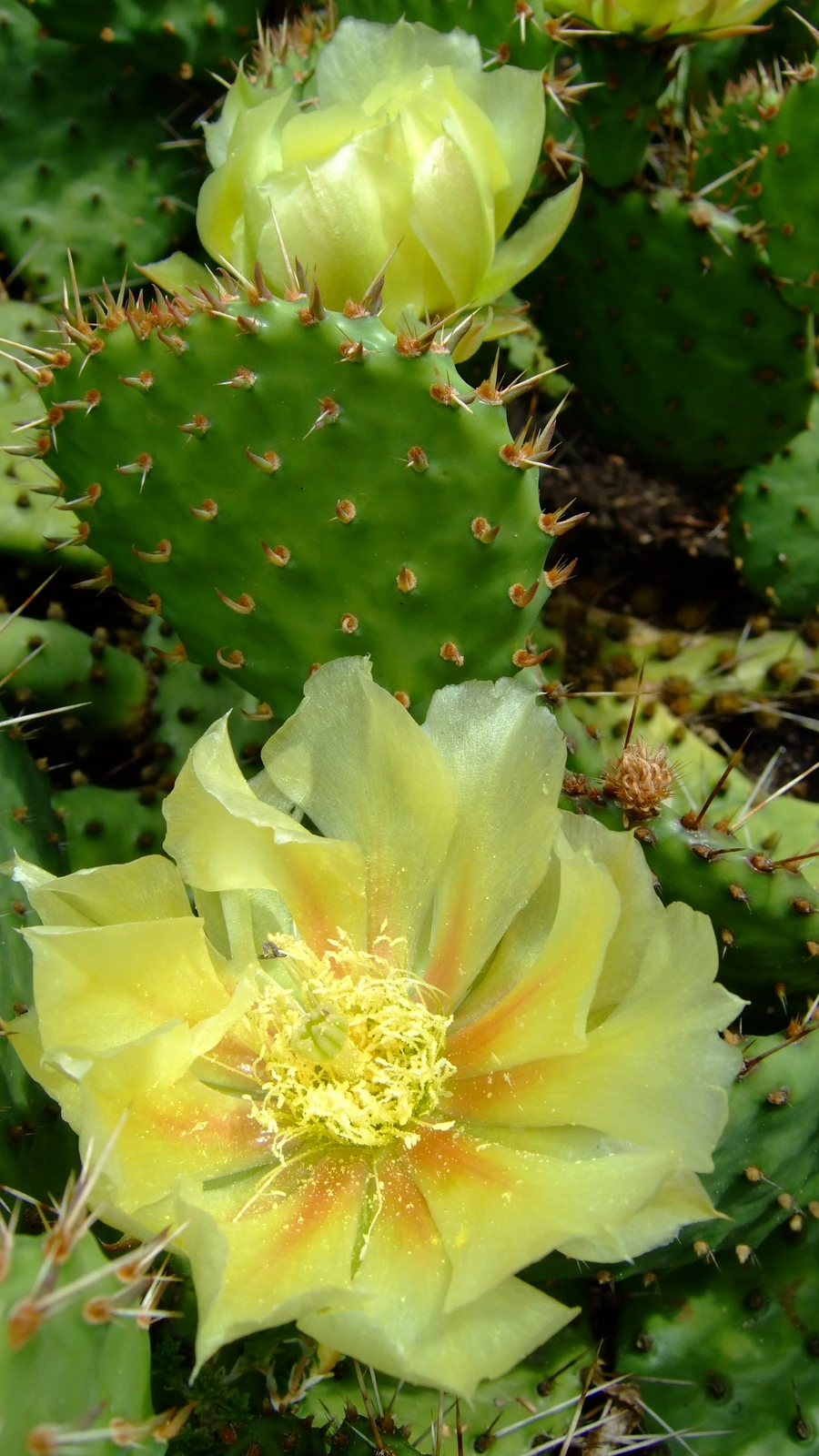 Reference image
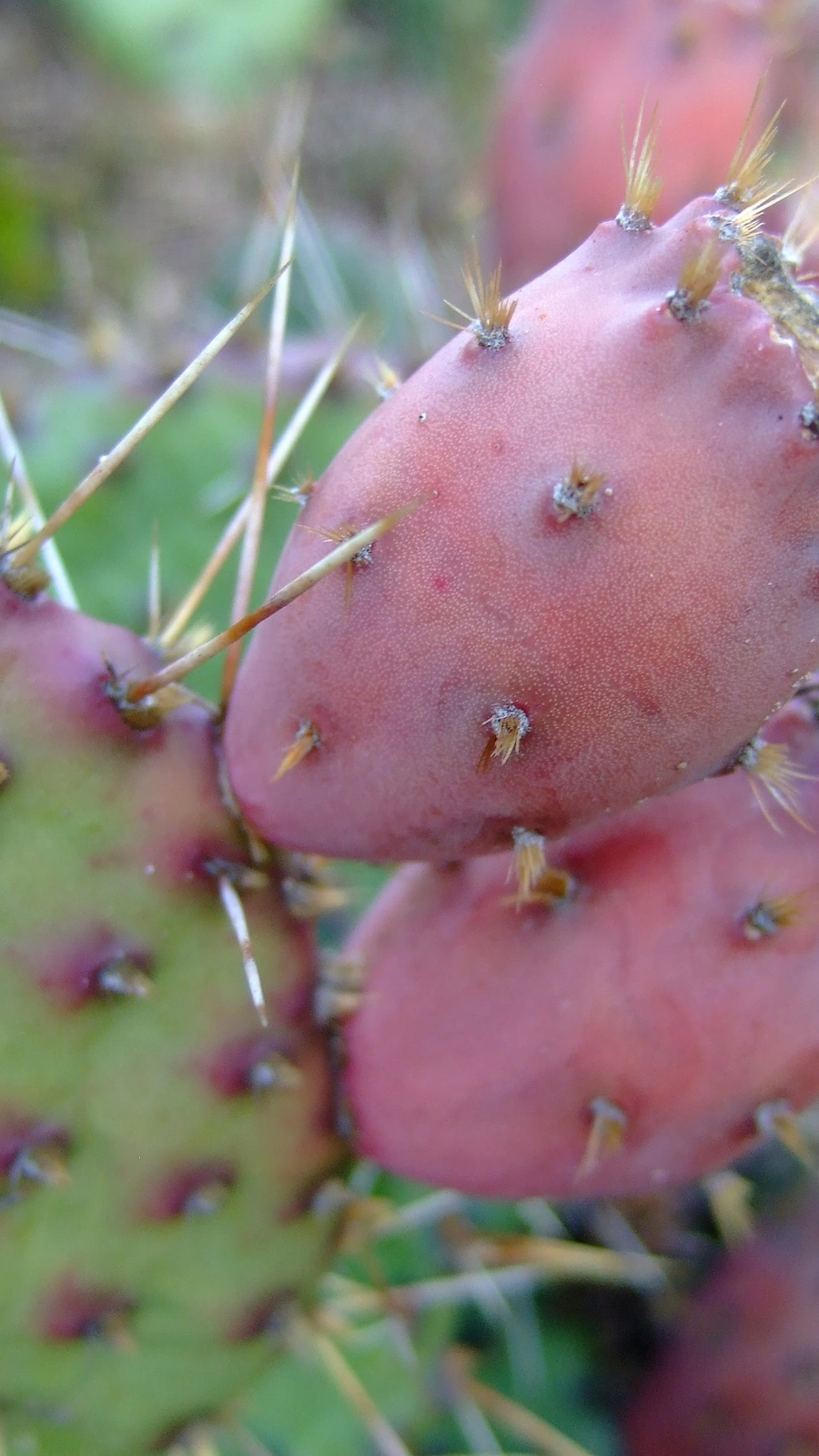 Reference image
Howey's Prickly Pear
Opuntia howeyi is a resilient, drought-tolerant cactus species belonging to the genus Opuntia within the Cactaceae family 1. Perfectly adapted to harsh desert environments and extreme temperatures, this species is defined by its flattened stem segments (cladodes) and defensive spines.
Scientifically designated as Opuntia howeyi, this species bears a specific epithet honoring contributors to botanical exploration and cactus taxonomy 2. It belongs to the broader group of prickly pear cacti, showcasing the classic pad-like growth habit characteristic of the genus.
This cactus is native to the arid and semi-arid regions of northern and central Mexico, including states such as Durango, Coahuila, Nuevo León, San Luis Potosí, and Chihuahua 1. It thrives in rocky, gravelly, lime-rich soils within desert flats and dry shrublands.
The plant features fleshy, flattened, oval-to-rounded green pads that store water. The areoles carry fine, irritating micro-spines called glochids alongside stouter, greyish-white central spines. In late spring or early summer, beautiful yellow to orange flowers emerge from the margins of the upper pads 2.
Opuntia howeyi requires full sun and exceptionally free-draining soil. Water thoroughly during the summer only when the substrate is completely dry. In winter, maintain dry conditions and cool temperatures to encourage seasonal dormancy and subsequent flowering.
Overwatering, insufficient sunlight, and heavy clay soils are the primary causes of failure. Lack of adequate light results in weak, thin, and elongated pad growth (etiolation), making the plant structurally unstable.
Requires at least 6 hours of direct sunlight daily; indoor specimens need south-facing windows.
Strictly follow the 'soak and dry' method; keep almost completely dry in winter.
Use a specialized cactus mix with high mineral content, pumice, and coarse sand.
Non-toxic, but the tiny, easily detached glochids can cause severe skin irritation and itching.
Very easy and highly drought-tolerant, making it ideal for beginners with sunny spots.
Commonly found in the arid plains and rocky slopes of northern and central Mexican states, thriving in dry desert shrublands and mineral-rich soils.
