
Light
Full Sun
Thrives best under full, direct sun. South-facing windows or open patios are ideal.
 Reference image
 Reference image
Huajuapan Prickly Pear
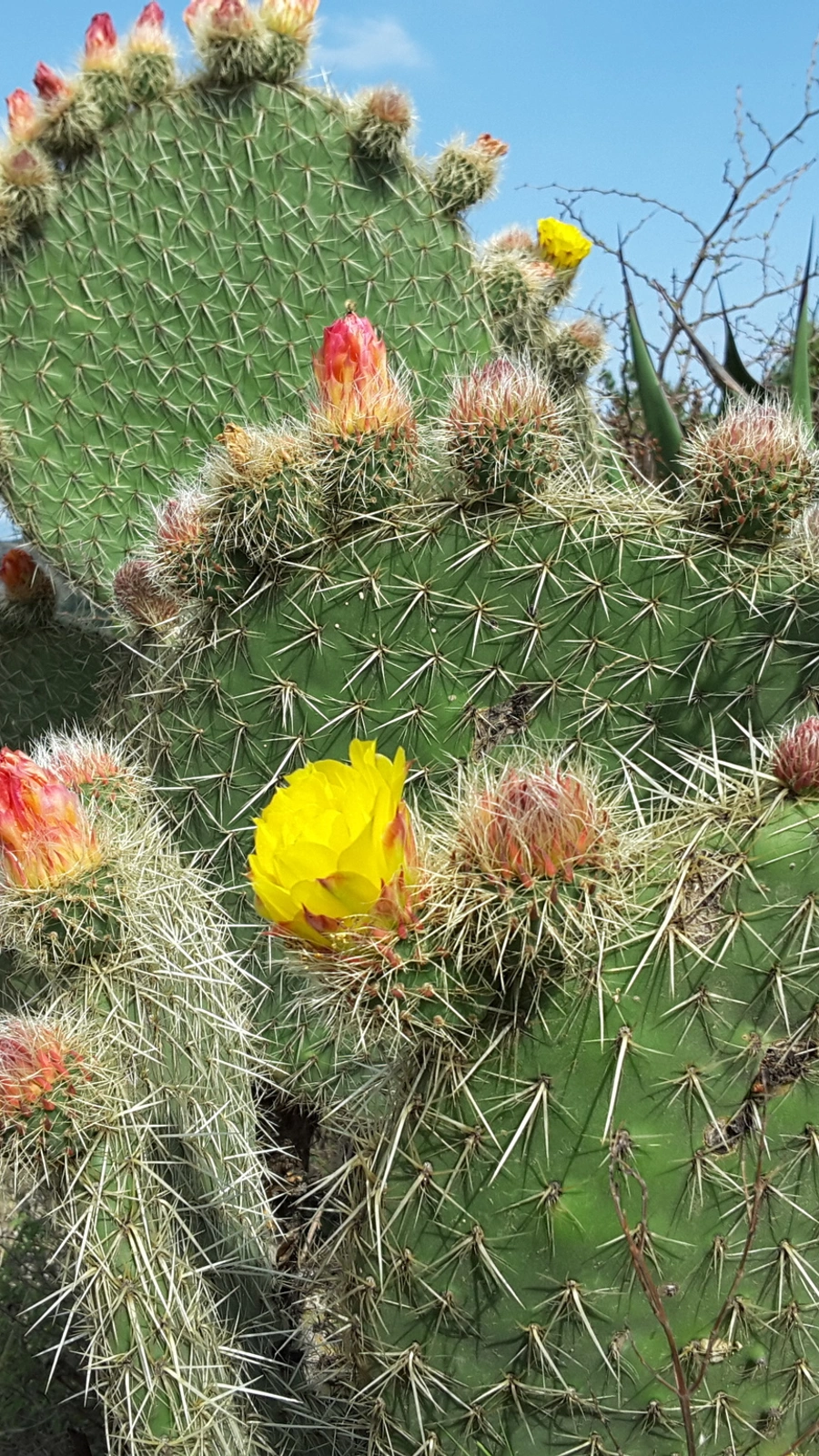
Opuntia huajuapensis, member of the Cactaceae family, is a shrubby, succulent cactus species native to the arid and semi-arid regions of Mexico. It is widely recognized for its large, green pad-like segments and striking orange-yellow flowers.
The species was formally described by Alwin Berger 1. The specific epithet 'huajuapensis' honors the Huajuapan de León municipality located in Oaxaca, Mexico, where the plant is highly abundant. Within the genus Opuntia, it displays the classic flattened stems known as cladodes.
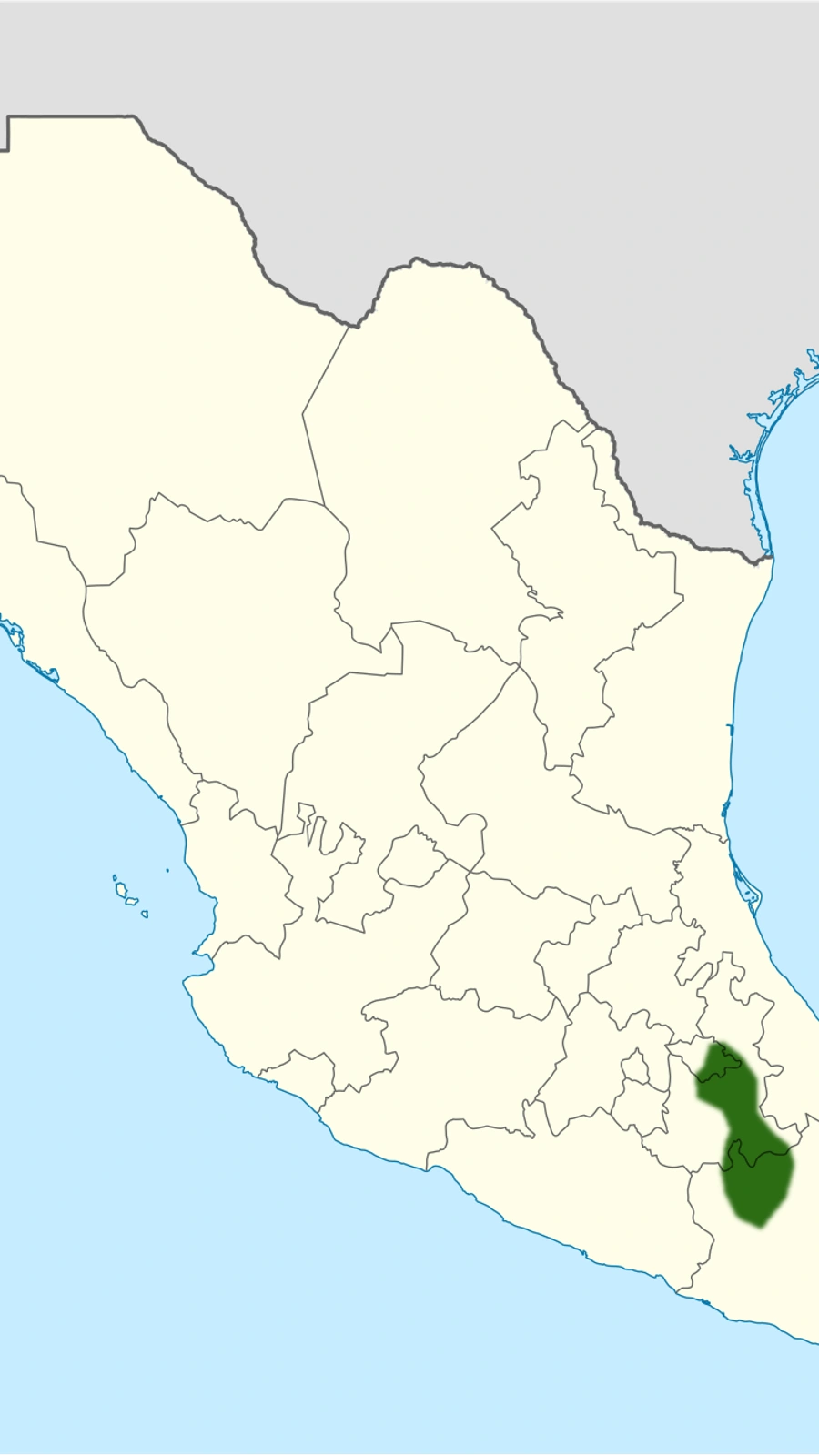
This species is endemic to southern and central Mexico, widely distributed throughout states like Oaxaca, Puebla, Guerrero, Morelos, and Jalisco 2. It thrives in xerophytic scrublands and tropical deciduous forests, successfully colonizing rocky, limestone-rich slopes at elevations between 1,000 and 2,100 meters above sea level.
Opuntia huajuapensis has a tree-like or bushy growth habit, reaching heights of 1.5 to 3 meters. The flattened cladodes are obovate to circular, dull greyish-green in color, and densely covered in areoles. These areoles bear several pale yellow to greyish spines and tiny, irritating glochids. The spectacular flowers bloom in shades of yellow and orange, ripening into globose, reddish-purple spiny fruits.
This prickly pear requires full sun exposure and extremely porous, fast-draining soil. Irrigation should follow a thorough dry-out regimen; watering is only done when the substrate is completely dry. In winter, watering should be suspended to mimic its natural dry dormancy.
The most prevalent cultivation error is overwatering or using heavy clay soil, which inevitably leads to root rot. Lack of sufficient sunlight causes etiolation, wherein new pads grow thin, pale, and weak in search of light.
Thrives best under full, direct sun. South-facing windows or open patios are ideal.
Allow the substrate to dry out 100% between waterings. Reduce to a minimum in winter.
Requires an extremely gritty, mineral-based cactus soil mix to prevent waterlogged roots.
Armed with fine, microscopic barbed glochids that easily detach and irritate skin; keep out of reach of pets.
Extremely drought-tolerant and easy to maintain, making it ideal for beginners.
Inhabits the dry rocky slopes, xerophytic scrublands, and tropical dry forests of central and southern Mexican states, particularly Oaxaca, Puebla, and Guerrero.
