
Light
Full Sun
Requires at least 6 hours of direct sunlight daily. Etiolation occurs in low-light environments.
 Reference image
 Reference image
Mexican Shrubby Prickly Pear
Opuntia hyptiacantha is a shrubby to tree-like succulent species belonging to the Cactaceae family. Renowned for its robust, segmented pads and adaptability to arid environments, this prickly pear species is a key element of North American dry shrublands, appreciated for both ecological value and edible fruit production 1.
Classified under the genus Opuntia, the species is distinguished by its specific spine configuration and cladode structure. Synonyms such as Opuntia cretochaeta and Opuntia chavena represent regional populations 2. Locally in Mexico, it is commonly referred to as 'tuna chavena' or 'nopal'.
This species is native to central and northern Mexico, including regions like Aguascalientes, Durango, Jalisco, Zacatecas, and Guanajuato 1. It thrives in xerophytic scrublands and grasslands at elevations of 1500 to 2500 meters, typically growing on rocky, volcanic, or limestone soils 2.
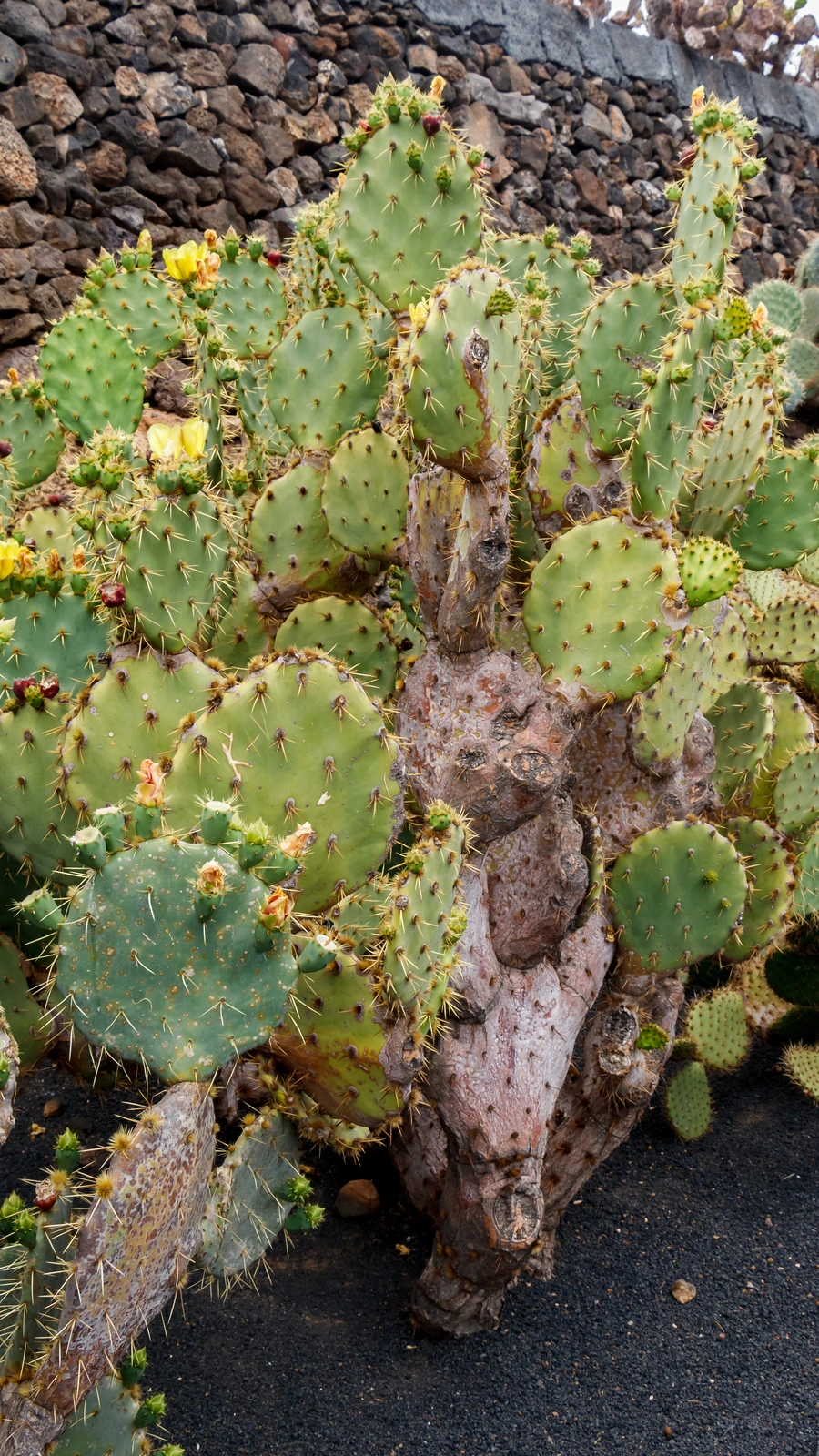
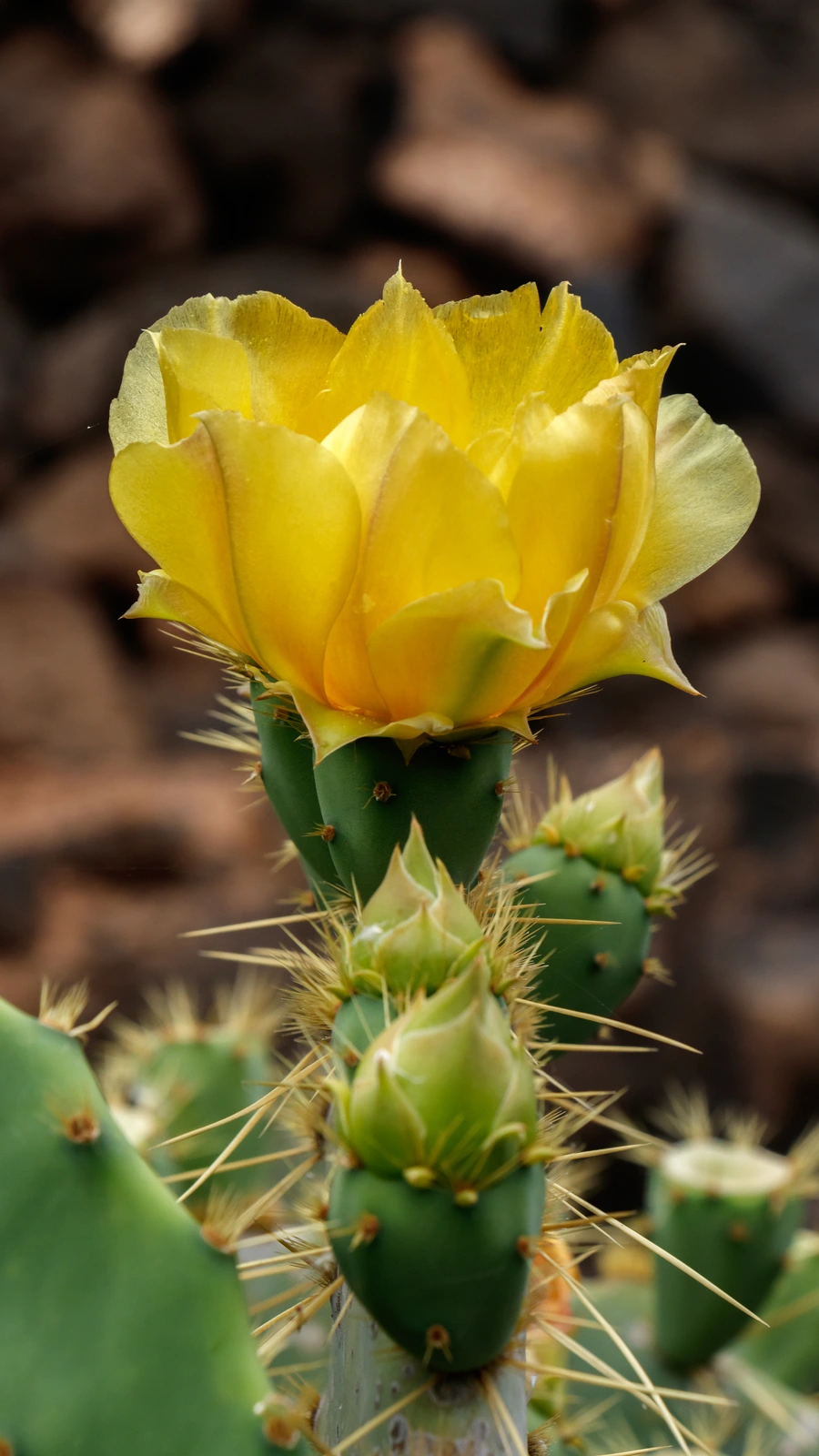
Opuntia hyptiacantha forms a well-branched shrub or small tree reaching 1.5 to 3 meters in height. The segments (cladodes) are obovate to oblong, deep green, and possess small areoles armed with yellow glochids and 3 to 8 whitish, rigid spines 1. During late spring, it produces attractive yellow to orange flowers, followed by edible, globose, reddish-purple fruits.
In cultivation, it requires conditions that mimic its semi-arid native habitat. Full sun exposure and excellent soil drainage are critical. The plant shows good tolerance to high summer temperatures and can withstand brief, dry cold spells down to -5°C if kept dry.
Overwatering is the primary cause of failure, quickly leading to root rot 2. Growing the plant in low-light indoor conditions causes etiolation, where new pads grow weak, pale, and unnaturally elongated.
Requires at least 6 hours of direct sunlight daily. Etiolation occurs in low-light environments.
Allow soil to dry out fully between waterings. In winter, water sparingly once a month.
Use a specialized cactus mix enriched with coarse sand, pumice, and perlite for drainage.
Equipped with tiny, irritating glochid bristles. Keep away from curious pets and children.
Extremely easy and resilient, provided it is not overwatered and receives adequate sun.
Native to the high-elevation arid plains and volcanic slopes of central and northern Mexico.
