
Light
Full Sun
Requires full sun or direct bright light. Insufficient light leads to weak, leggy growth.
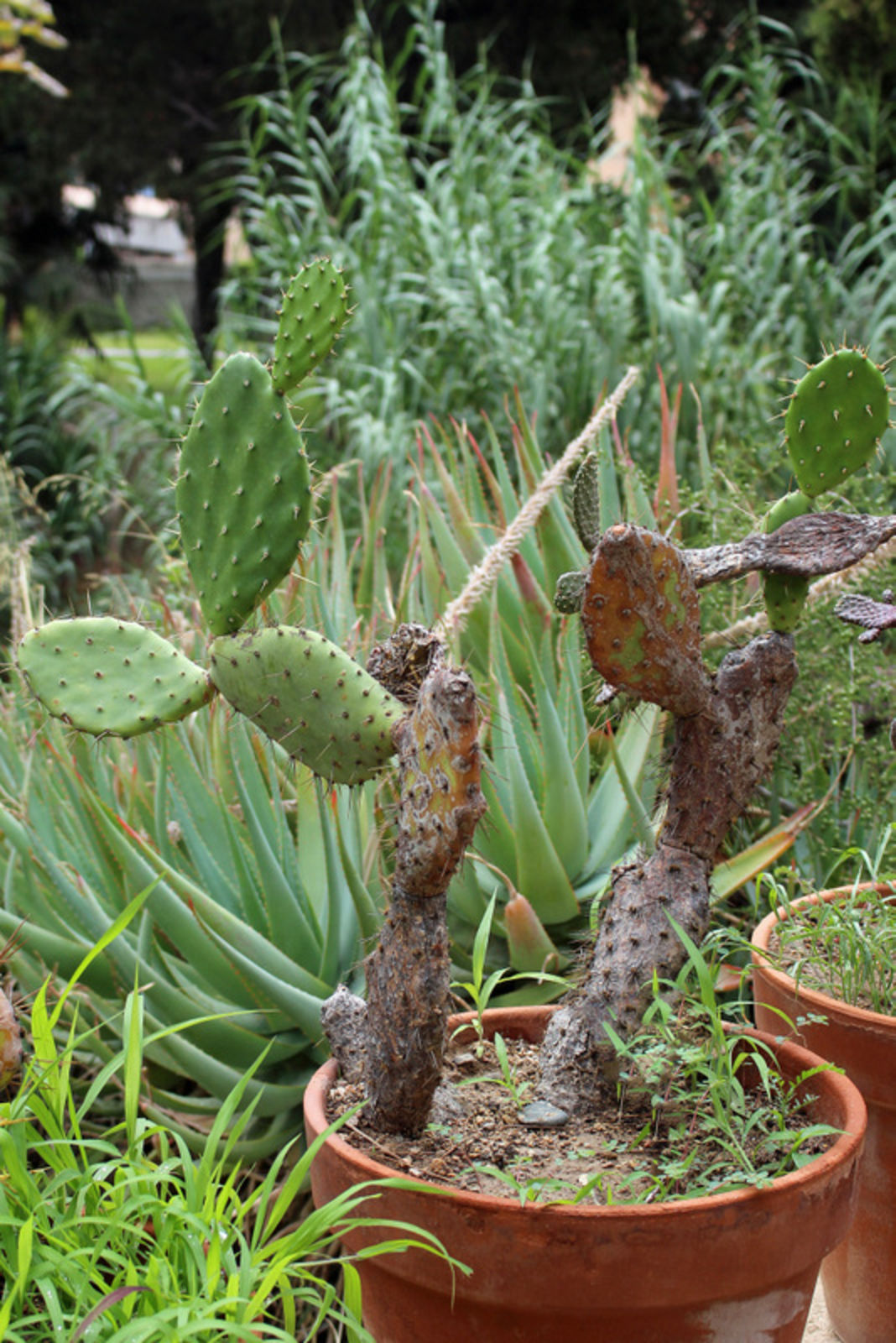 Reference image
Asymmetric Prickly Pear
Opuntia inaequilateralis is a rare and distinctive succulent shrub belonging to the Cactaceae (Cactus) family. Characterized by its asymmetrical jointed pads and resilient nature, it is well-adapted to surviving in extremely arid and rocky environments.
Within the large genus Opuntia, this species is classified due to its uneven and asymmetrical cladodes. The specific epithet "inaequilateralis" derives from Latin, meaning unequal-sided, which directly refers to the unequal outline of its flattened segments 1.
This cactus is native to South America, specifically coastal Peru and western South American regions. It thrives in desert biomes, dry shrublands, and rocky slopes where soils are nutrient-poor and highly drained 2.
The plant forms a shrubby structure with flattened, succulent pads that exhibit a distinctive asymmetrical shape. Areoles are scattered across the pads, bearing both longer spines and fine, irritating micro-spines known as glochids. It produces bright yellow to orange flowers, which develop into reddish, fleshy fruits.
It requires full sun exposure and a well-draining, mineral-based cactus soil. Watering should be done thoroughly only after the substrate has dried out completely. In winter, the plant enters dormancy and requires dry conditions to prevent root issues.
Overwatering and poor soil drainage are the most common causes of plant decline, leading to root and stem rot. Low light levels cause the pads to stretch, weaken, and lose their typical compact growth habit.
Requires full sun or direct bright light. Insufficient light leads to weak, leggy growth.
Water deeply only when soil is completely dry. Keep dry in winter.
Requires sandy, gritty soil with excellent drainage, such as a specialized cactus mix.
Features fine, irritating glochid spines. Keep away from pets and children, and handle with care.
Very easy to care for; highly tolerant of neglect and drought conditions.
Naturally distributed along the arid slopes and dry shrublands of Western South America, primarily within Peru's dry coastal valleys.
