
Light
Full Sun
Requires full sun, minimum 6 hours of direct sunlight per day.
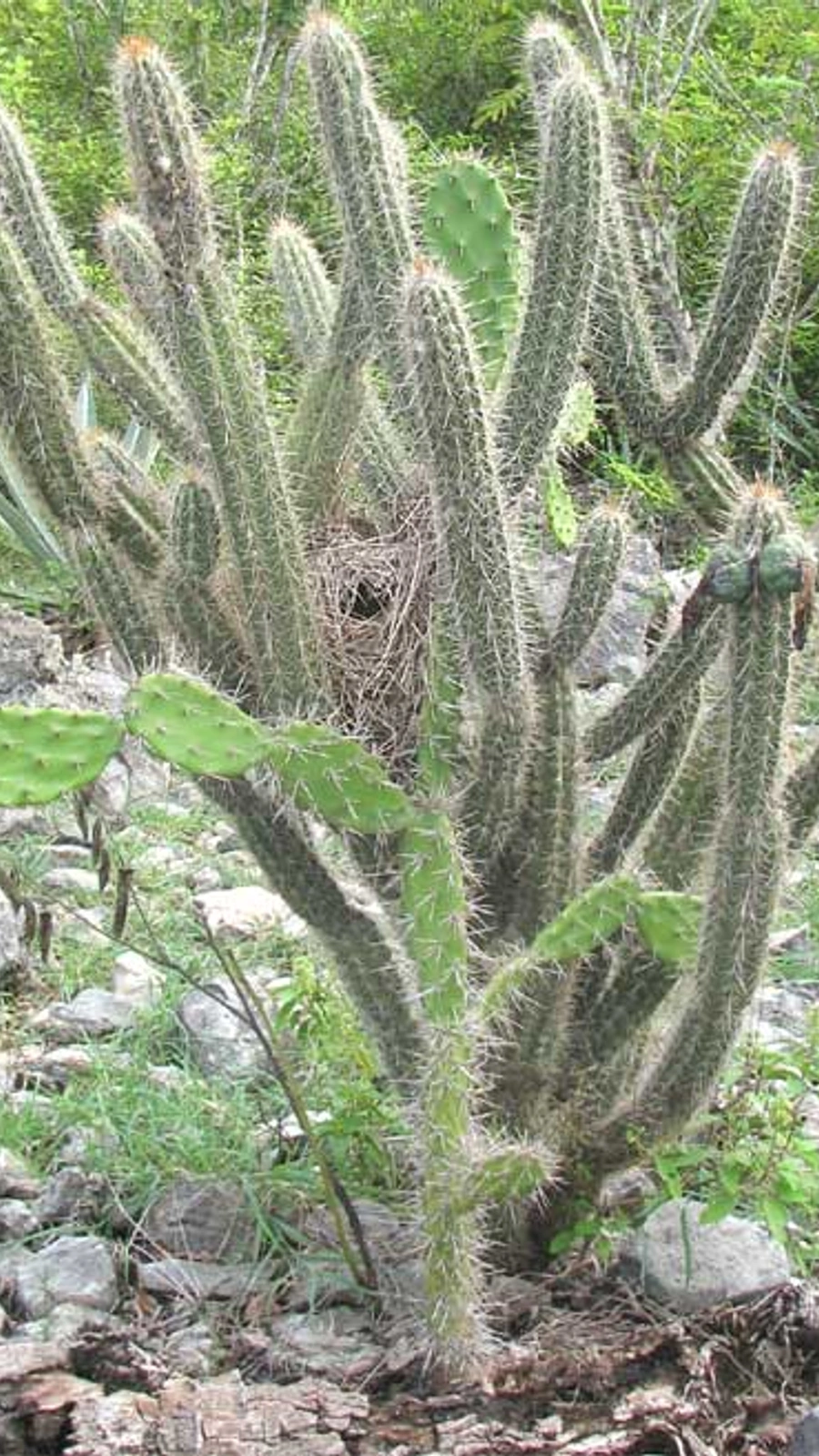 Reference image
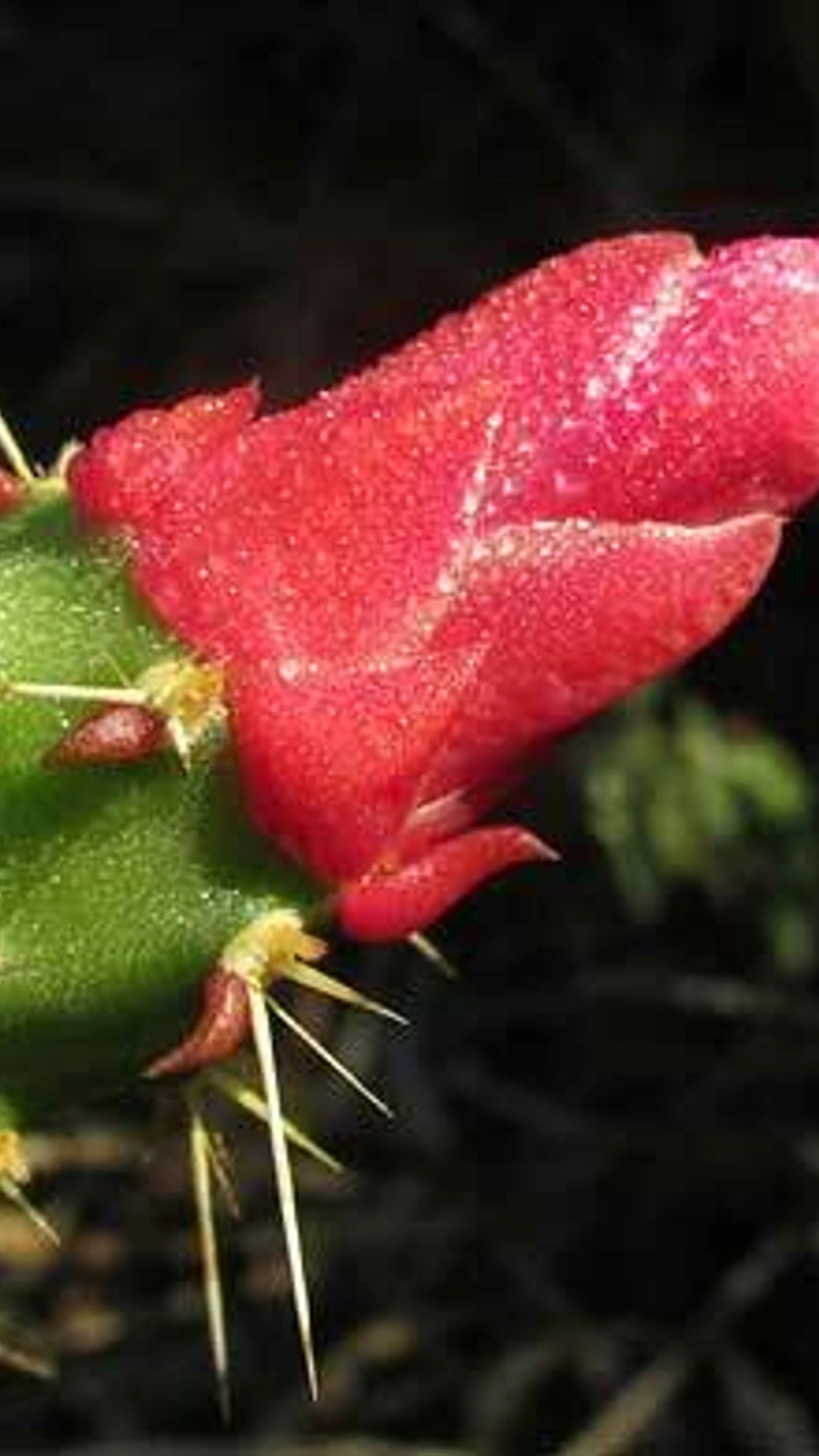 Reference image
Inaperta Prickly Pear
Opuntia inaperta is a shrubby or arborescent cactus species belonging to the family Cactaceae. Known for its adaptability to seasonally dry environments, it is a prominent member of the dry forest understory and coastal scrub vegetation of southeastern Mexico 1.
Scientifically described by Schott ex Engelmann, this taxon is closely associated with other endemic prickly pears of the Yucatan Peninsula. Locally, it is referred under the general vernacular name 'nopal' or 'choya' depending on the region 2.
Native to southern and eastern Mexico, its primary distribution spans the states of Yucatan, Campeche, Quintana Roo, and parts of Veracruz. It thrives in seasonally dry tropical biomes, typically growing over limestone substrates, rocky outcrops, and thin soils 1.
This species develops flattened, green to grayish-green stem segments (cladodes) arising from a woody central trunk. The areoles bear clusters of glochids and sharp spines. Its flowers are primarily bright yellow to orange, followed by small ovoid fruits 2.
Opuntia inaperta requires full sun to maintain a compact growth habit. It is highly drought-tolerant; irrigation should only be applied when the potting medium has dried out completely. In winter, keep the plant dry and protect it from freezing temperatures 3.
The most frequent issue is root rot triggered by waterlogged soil. Insufficient light results in etiolation, where new segments grow weak and abnormally elongated. Careless handling can also lead to skin irritation from fine glochids.
Requires full sun, minimum 6 hours of direct sunlight per day.
Allow soil to dry out 100% between waterings. Water sparingly in winter.
Highly porous cactus mix enriched with pumice, coarse sand, and perlite.
Non-toxic, but bears irritating glochids (micro-spines) that can easily lodge into skin.
Very easy to care for, highly resilient to drought and neglect.
Naturally distributed in the seasonally dry tropical forests and scrublands of southern and eastern Mexico, predominantly growing on limestone and rocky terrains.
