
Light
Full Sun
Requires at least 6 hours of direct sunlight daily; ideal for south or west-facing windows.
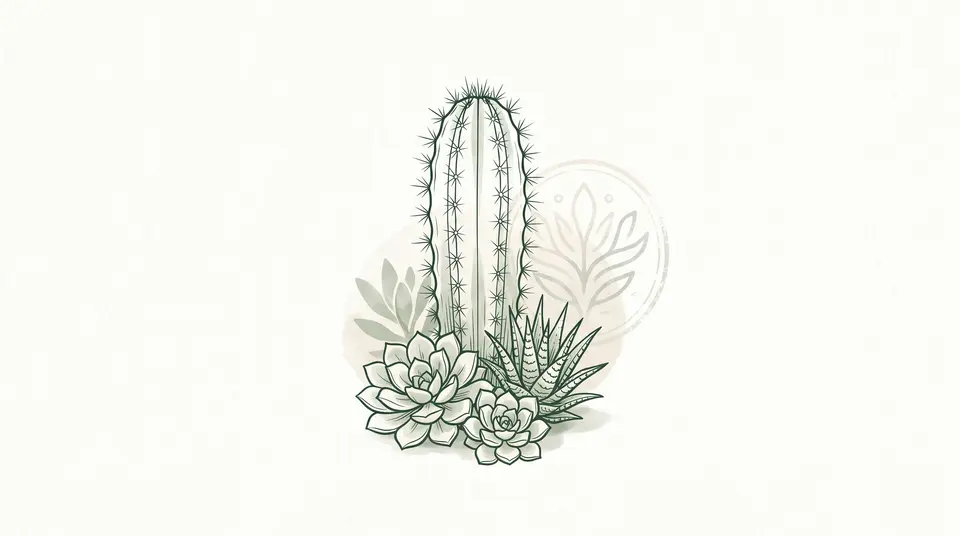 Reference image
Laguna Prickly Pear
Opuntia lagunae is a distinctive cactus species belonging to the Cactaceae family. Adapted to arid conditions, this species thrives in desert and dry shrubland biomes, developing flat, fleshy segments called cladodes that store water efficiently 1.
Within the large genus Opuntia, Opuntia lagunae is recognized by its specific pad morphology and spination. The specific epithet "lagunae" references its native geographic association with the mountainous and lagoon-adjacent areas of Baja California 2.
This species is native to Mexico, particularly found in Baja California Sur. It populates dry scrublands, gravelly slopes, and semi-arid plains, where it grows in nutrient-poor, highly permeable soils under full sun exposure 1.
Opuntia lagunae forms a shrubby structure consisting of obovate to round green pads. The areoles bear clusters of glochids (tiny, irritating barbed bristles) along with sharp, longer spines. In late spring, it produces attractive yellow flowers, followed by edible, reddish-purple fruits.
In cultivation, it requires a very bright position with maximum sunlight and a gritty, fast-draining substrate 2. Water deeply only when the soil has completely dried out, and keep the plant dry during cold winter months to prevent rot.
The most prevalent issue is root rot caused by overwatering or compacted soil. Insufficient light leads to etiolation, where the pads grow thin, weak, and stretched.
Requires at least 6 hours of direct sunlight daily; ideal for south or west-facing windows.
Let the soil dry out completely between waterings. Reduce watering to a bare minimum in winter.
Use a specialized cactus mix with high ratios of pumice, perlit, and coarse sand.
Equipped with sharp spines and tiny glochids that can irritate skin. Toxic/hazardous to pets.
Very easy to care for; highly drought-tolerant and resilient to neglect.
Native to the arid mountain ranges and dry shrublands of the southern Baja California peninsula in Mexico.
