
Light
Full Sun
Prefers full, direct sunlight; south-facing spots are ideal.
 Reference image
 Reference image
Mountain Prickly Pear
Opuntia montana is a highly resilient cactus species in the family Cactaceae, remarkably adapted to high-altitude montane environments 1. It stands out due to its compact growth habit and excellent frost tolerance compared to lowland prickly pears.
Within the genus Opuntia, this taxon derives its specific epithet "montana" from Latin, referencing its native mountainous habitats 2. It is characterized by physiological adaptations tailored to withstand harsh alpine-like climates.
It is native to the high-elevation rocky slopes of the Andes in South America and dry montane plateaus of Mexico 1. It thrives at elevations exceeding 2000 meters above sea level in nutrient-poor, rocky soils swept by dry winds.
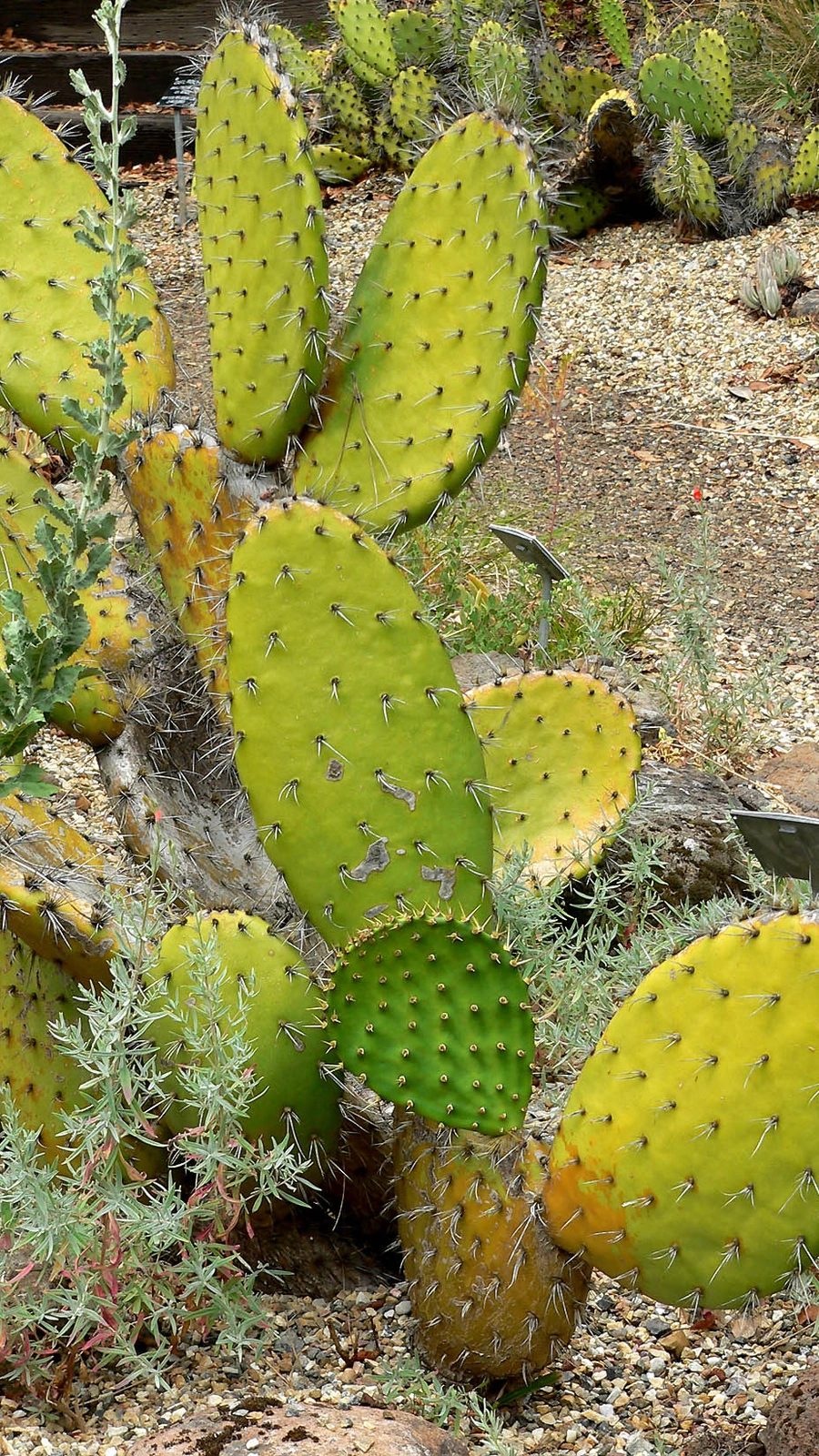
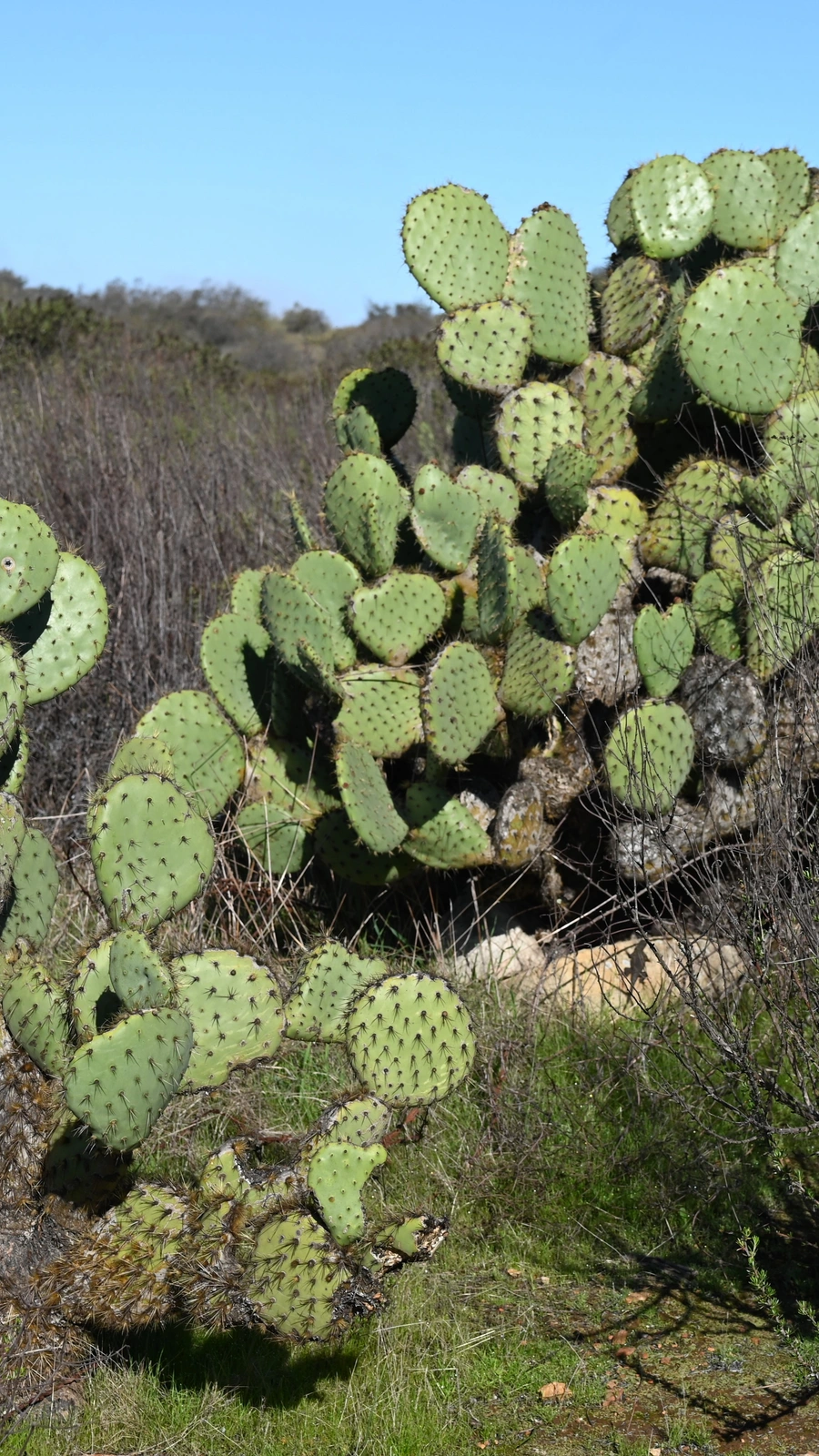
The plant consists of flattened, succulent, oval to rounded stem segments known as cladodes. Its areoles bear tiny, highly irritating barbed micro-spines called glochids. During late spring and summer, it produces large, showy yellow or occasionally orange flowers 2.
In cultivation, it requires full sun, making south-facing windows or open outdoor spaces ideal. Potting media must be highly porous and fast-draining. Water deeply only when the soil is bone dry, and suspend watering almost entirely during winter dormancy.
The most frequent mistake is overwatering before the soil has dried, which rapidly causes root rot. Insufficient sunlight will lead to etiolation, causing the pads to grow thin, elongated, and structurally weak.
Prefers full, direct sunlight; south-facing spots are ideal.
Never water until the soil is bone dry; restrict watering drastically in winter.
Highly porous cactus soil enriched with pumice, coarse sand, and perlite.
Tiny, nearly invisible glochids can embed in skin, causing irritation. Keep away from pets and kids.
Very easy; requires minimal attention, only prone to rot from overwatering.
Thrives naturally along the high-elevation rocky slopes and windy, arid plateaus of the Andes and Mexican highlands.
