
Light
Full Sun
Requires at least 6 hours of direct sunlight daily. Inadequate light leads to thin, weak, and stretched pads.
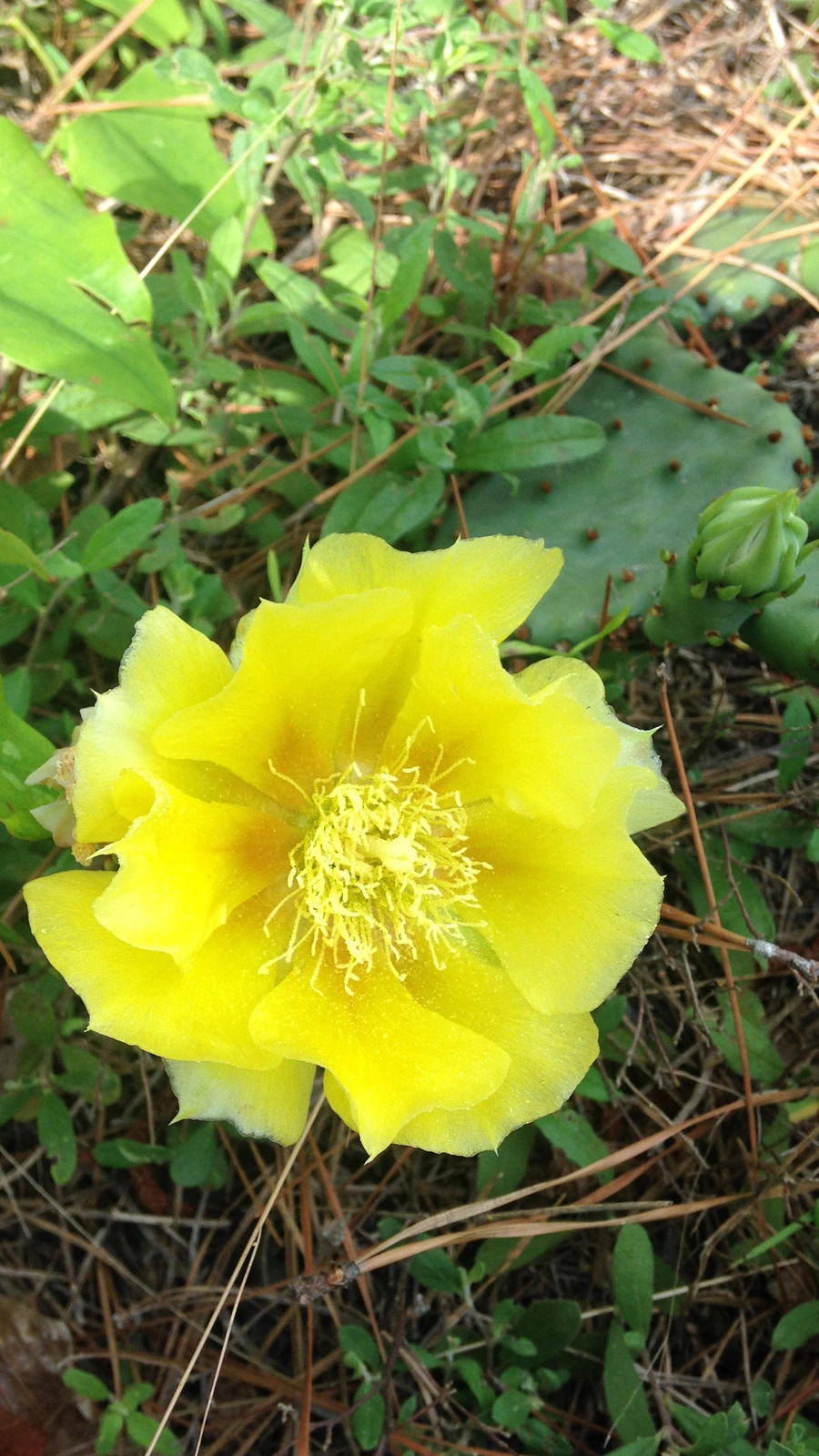 Reference image
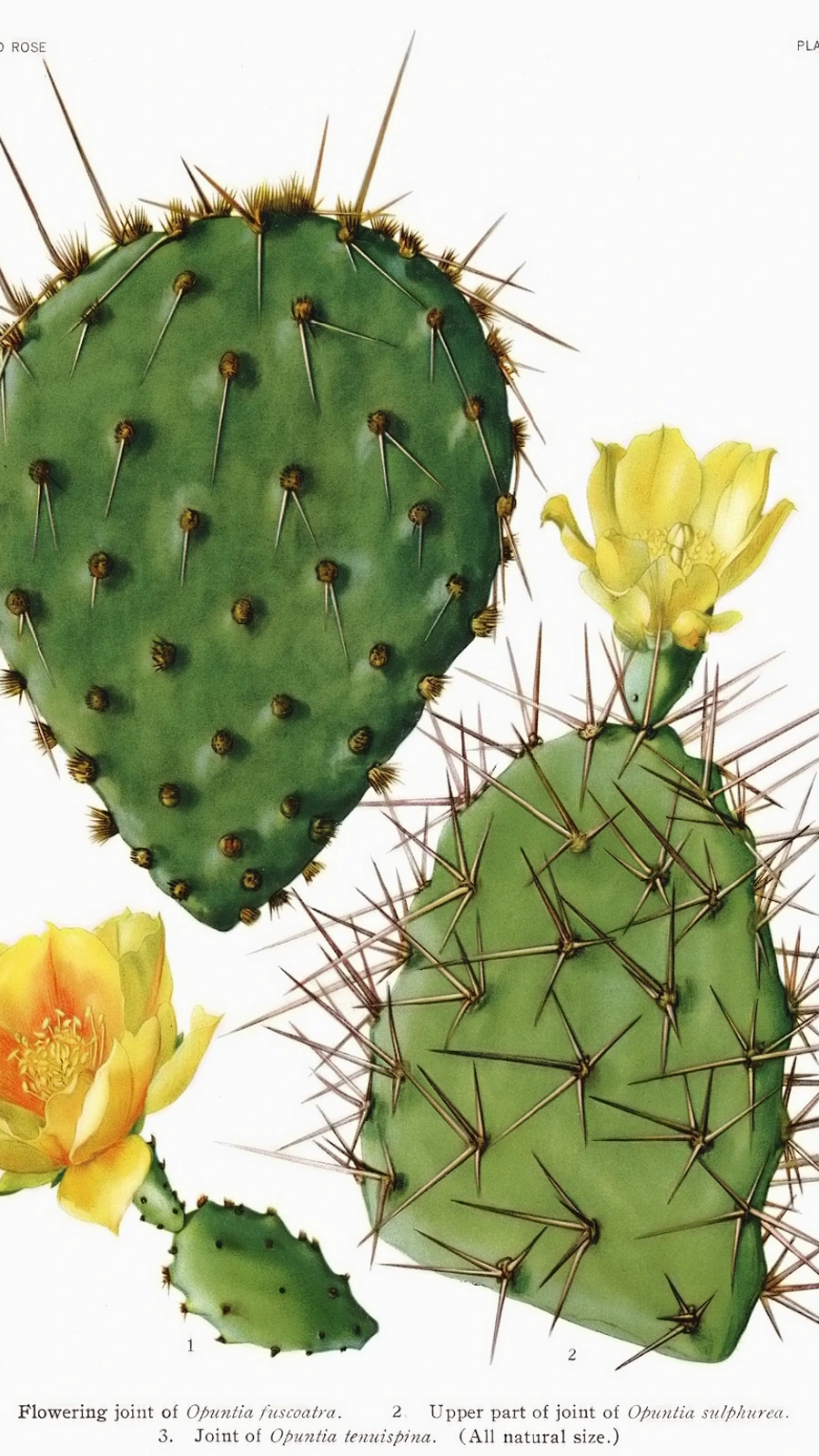 Reference image
Woods Prickly Pear
Opuntia nemoralis, commonly known as the Woods Prickly Pear, is a distinctive, low-growing succulent subshrub belonging to the Cactaceae family. Known for its adaptability, this species forms sprawling mats that survive both dry spells and cold winters in its native temperate habitats.
Described by the American botanist David Griffiths in 1913, Opuntia nemoralis has historically been associated with the broad Opuntia humifusa complex 1. However, it is recognized as a distinct species due to its specific morphological features and unique habitat preferences. The specific epithet 'nemoralis' is derived from Latin, meaning 'of the woods' or 'sylvan,' highlighting its unusual tendency to grow in open woodland borders rather than arid deserts.
This cactus is native to the south-central and southeastern United States, primarily documented in Texas, Louisiana, and Arkansas 2. Unlike typical desert cacti, it thrives in sandy pine barrens, woodland edges, river terraces, and acidic, sandy-loam soils where leaf litter and organic matter accumulate.
Opuntia nemoralis produces light green to grayish-green, flattened, obovate jointed pads (cladodes). The small areoles bear short, brownish glochids (microscopic, irritating bristles) and occasionally 1-3 slender, sharp spines. In late spring, it produces brilliant, showy yellow flowers, sometimes with a faint reddish eye at the center, followed by fleshy, reddish-purple pear-shaped fruits.
In cultivation, this hardy cactus requires plenty of direct sunlight and extremely well-draining soil. It is drought-tolerant once established and can tolerate winter freezing temperatures if kept dry. Watering should be deep but infrequent, allowing the soil to dry out completely between waterings.
The most prevalent issue is waterlogged soil due to heavy clay mixes or overwatering, which quickly causes root rot. Placing the plant in deep shade results in weak, elongated, and pale pads (etiolation).
Requires at least 6 hours of direct sunlight daily. Inadequate light leads to thin, weak, and stretched pads.
Allow soil to dry out completely before watering; keep virtually dry during winter months.
Requires gritty, sandy, and sharply draining mineral-rich soil mix with minimal organic matter.
Contains tiny, irritating glochids that easily dislodge into skin. Keep out of reach of pets and children.
Highly resilient and cold-hardy, making it extremely easy to grow if not overwatered.
Native to the open pine forests, sandy fields, and river terraces of Texas, Louisiana, and Arkansas, thriving in slightly acidic and sandy coastal plains.
