
Light
Full Sun
Requires full, direct sun all year. Indoors, place it on the sunniest south-facing windowsill.
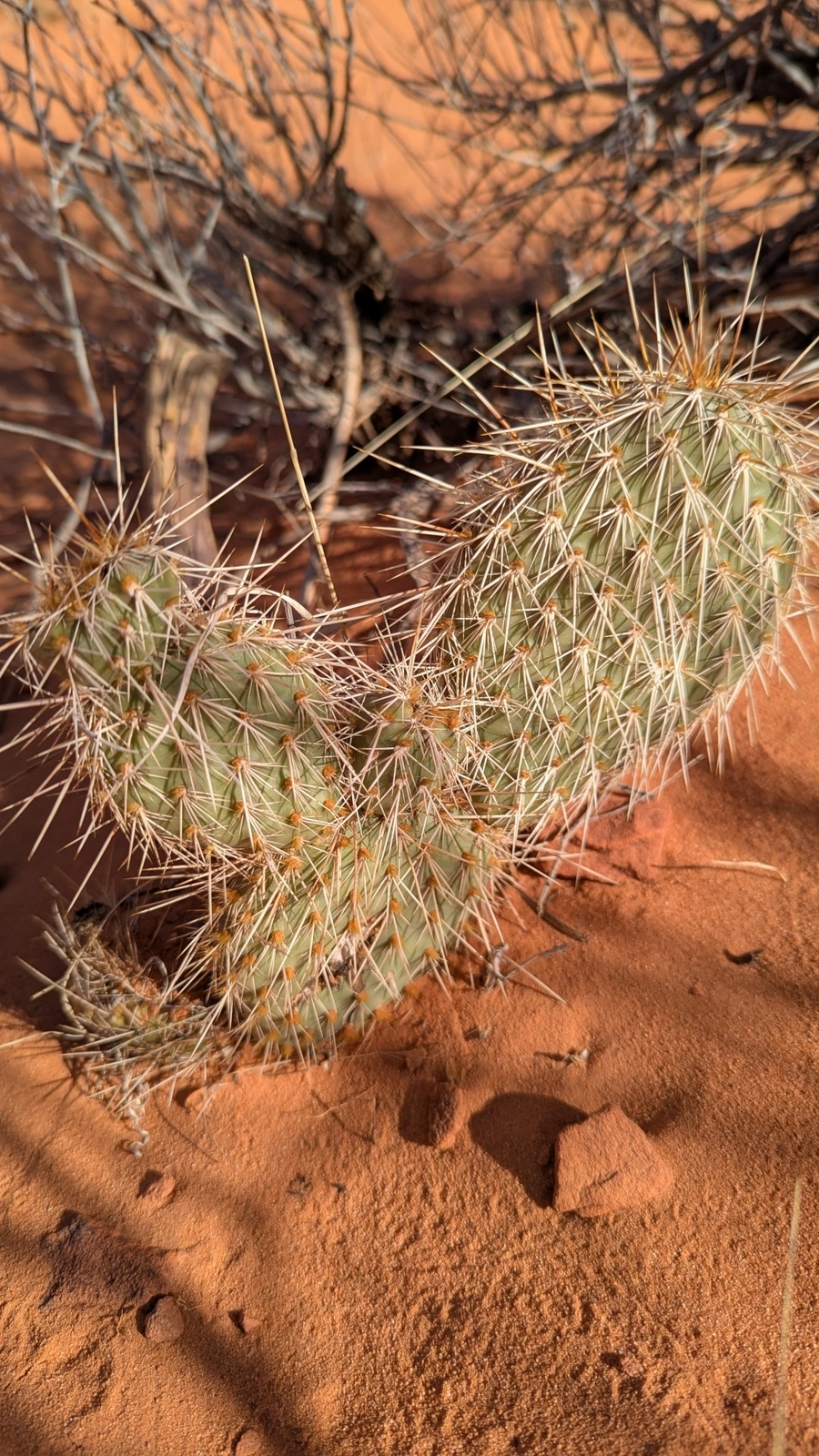 Reference image
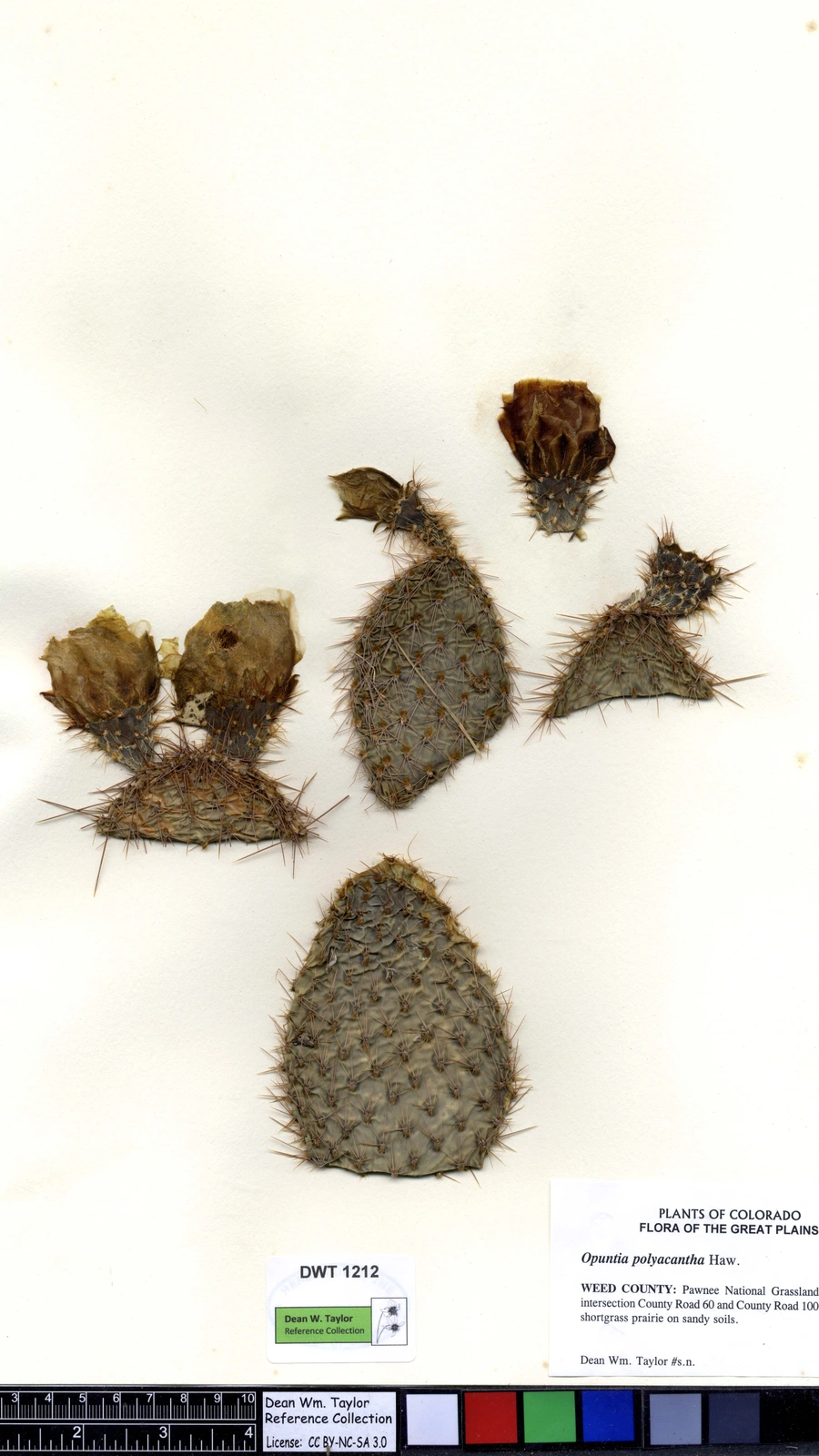 Reference image
Nichol's Prickly Pear
Opuntia nicholii is a robust, highly cold-hardy, and shrubby cactus species belonging to the family Cactaceae. Famously adapted to extreme arid desert environments, this plant is characterized by its spreading growth habit and dense, formidable spination 1.
The species was named in honor of Andrew Alexander Nichol, a prominent American botanist and ecologist who studied Southwestern desert flora. It is taxonomically recognized under the genus Opuntia and is commonly known as Nichol's prickly pear. Some older classifications treat it as a variety under Opuntia phaeacantha 2.
This cactus is native to the Southwestern United States, specifically localized within Arizona, Utah, and Nevada. It thrives in desert shrublands, canyon bottoms, and limestone gravel plains, often enduring dramatic temperature fluctuations between summer and winter 1.
Opuntia nicholii features thick, obovate, grayish-green to glaucous blue-green pads (cladodes). The areoles bear long, sturdy, whitish or yellowish spines that often turn dark brown with age. Large, showy flowers bloom in late spring, displaying bright yellow or apricot-pink hues, followed by spiny, fleshy fruits 3.
In cultivation, it requires maximum sunlight exposure and exceptionally well-draining soil. It is incredibly drought-tolerant and displays superb frost hardiness if kept completely dry throughout the winter months.
The most frequent error is overwatering during winter, which inevitably causes root rot. Placing the plant in partial shade leads to weak, elongated growth (etiolation) and reduces flowering.
Requires full, direct sun all year. Indoors, place it on the sunniest south-facing windowsill.
Water bi-weekly in hot summers. Completely cease watering during winter hibernation.
Prefers extremely gritty, alkaline, and well-draining soil containing limestone and coarse sand.
Equipped with sharp spines and microscopic glochids that cause skin irritation. Keep away from pets.
Extremely easy and low-maintenance; virtually indestructible if not overwatered.
Native to the high deserts and rugged canyonlands of the American Southwest, thriving on limestone slopes and dry alluvial washes where winter temperatures drop significantly.
