
Light
Full Sun
Requires full, unfiltered sun all day long and prefers breezy outdoor settings.
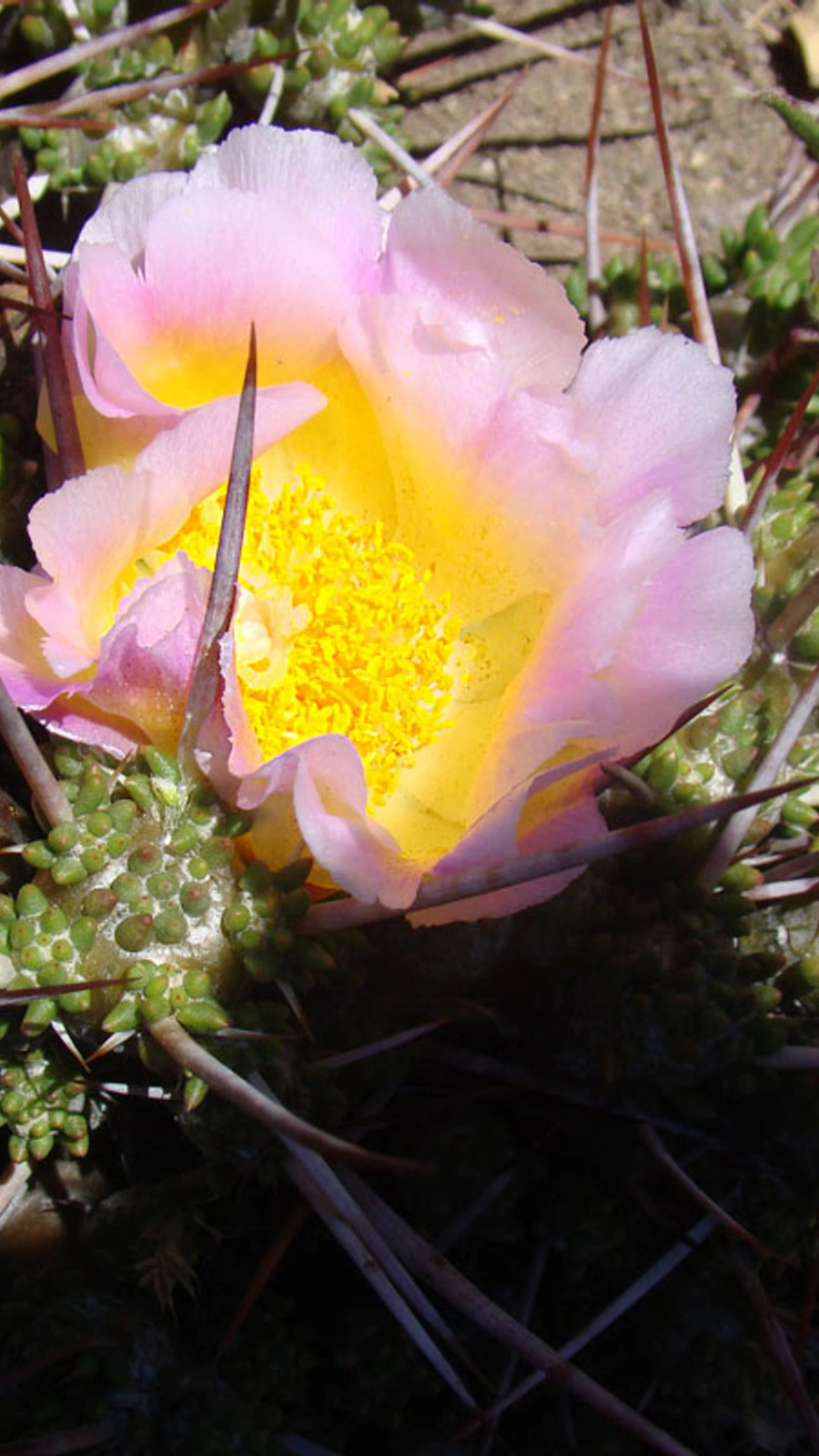
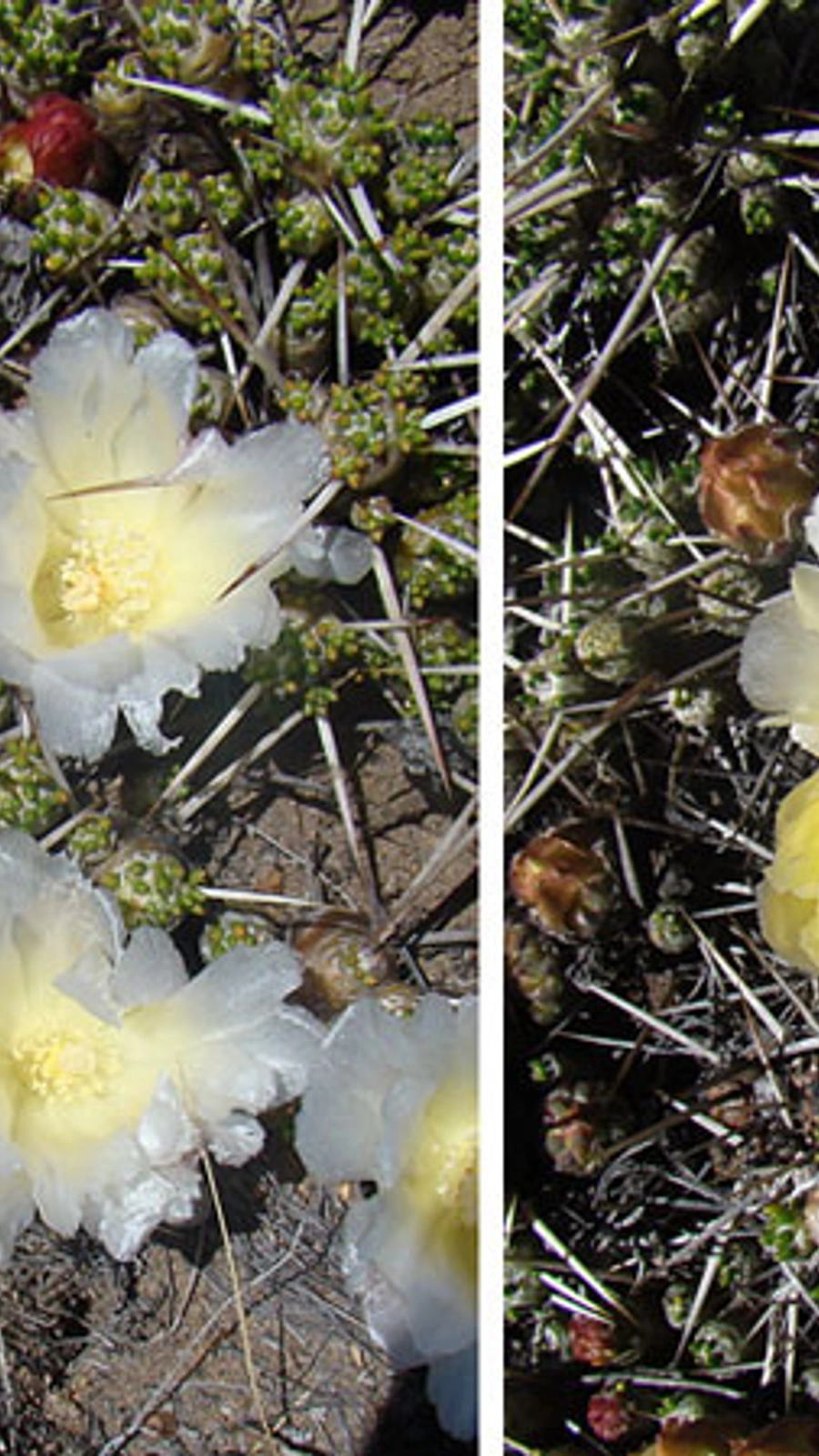
Patagonian Maihuenia
Maihuenia patagonica is an exceptionally hardy, cushion-forming cactus species from the family Cactaceae, adapted to the cold, windswept steppes of southern South America. Unlike typical desert cacti, it forms low-growing, spreading mats composed of small cylindrical segments and persistent leaf-like structures, displaying a highly specialized evolutionary adaptation 1.
The genus name "Maihuenia" is derived from "maihuén," the indigenous Mapuche name for these unique plants in Chile. The species epithet "patagonica" directly references the Patagonia region, where the vast majority of its native populations reside 2.
Native to Argentina and Chile, its range extends through regions such as San Juan, Rio Negro, Neuquén, and Tierra del Fuego. It thrives in gravelly plains, exposed slopes, and sandy soils of the Patagonian steppe, where it tolerates extreme frost, continuous winds, and arid conditions 1.
Maihuenia patagonica forms dense, rounded mounds up to 30 cm tall and over 1 meter in width. The cylindrical segments bear small, fleshy green leaves that are semi-persistent. Spines are stout, white to greyish, and emerge from areoles in groups of 1 to 3. In late spring, it produces attractive, bell-shaped flowers ranging from white and cream to soft pink 2.
In cultivation, this plant requires cool, airy conditions and can withstand severe winter frosts down to -15°C or lower. Soil must be extremely gritty and mineral-based, reflecting its native volcanic scree. Water should be provided moderately during the summer, followed by a dry, cold winter rest 1.
The most critical mistake is overwatering, especially in heavy soils with poor drainage, which causes immediate root rot. Growing it in poorly ventilated indoor environments without sufficient sunlight will lead to weak, etiolated growth and lack of flowering 2.
Requires full, unfiltered sun all day long and prefers breezy outdoor settings.
Water only when the substrate is bone dry in summer; keep completely dry in winter.
Highly porous volcanic sand, gravel, and pumice mixture with low organic matter.
Armed with sharp spines; non-toxic to pets but can cause mechanical injury.
Moderately difficult indoors because it demands cool climates, high light, and cold winters.
Naturally distributed across the wind-scoured, rocky plains and cold semi-deserts of Patagonia, stretching from southern Argentina to the extreme cold-temperate zones of Chile.
