
Light
Bright Indirect Light
Thrives in bright, filtered sunlight or partial shade. Protect from scorching midday sun.
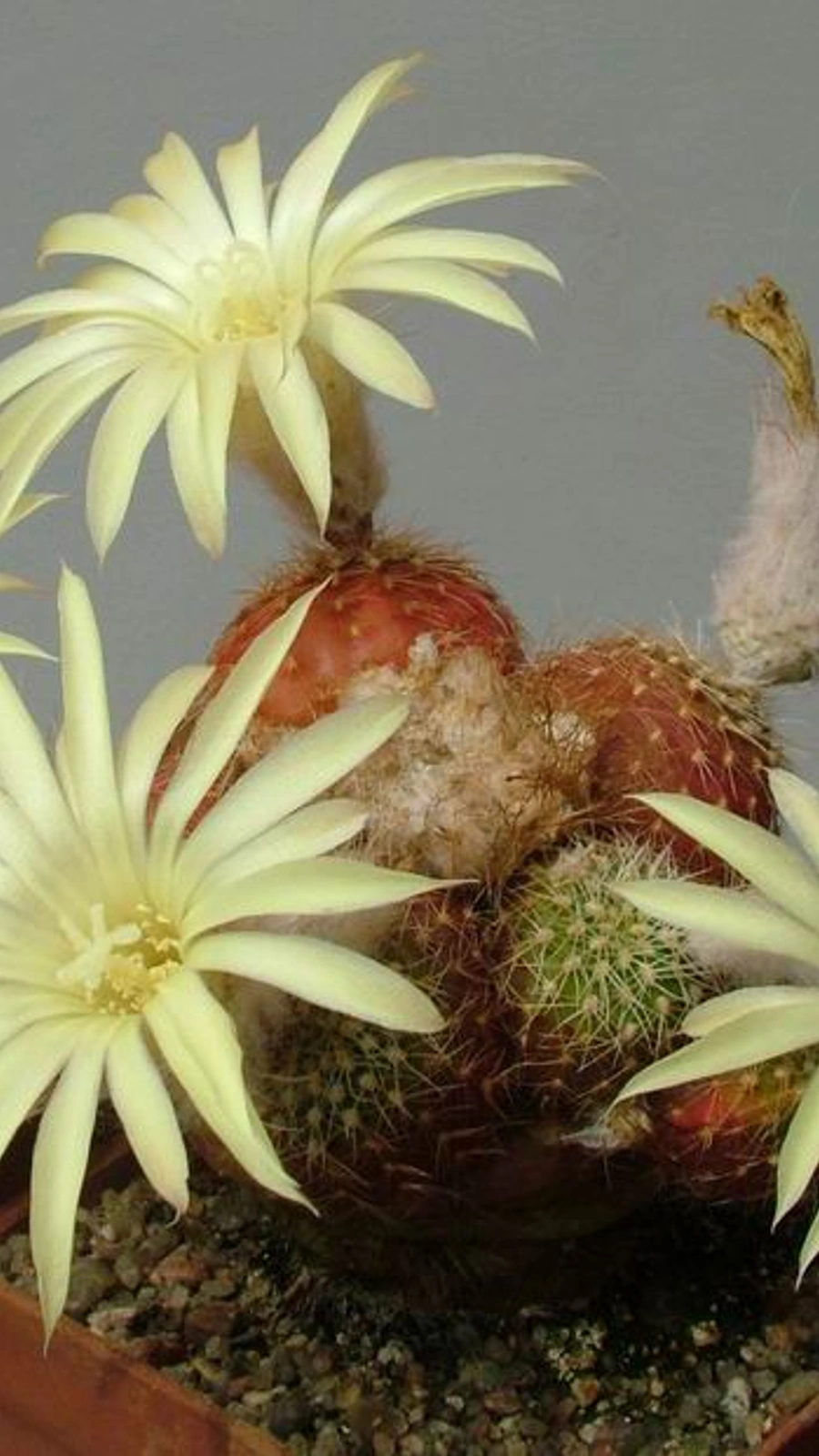
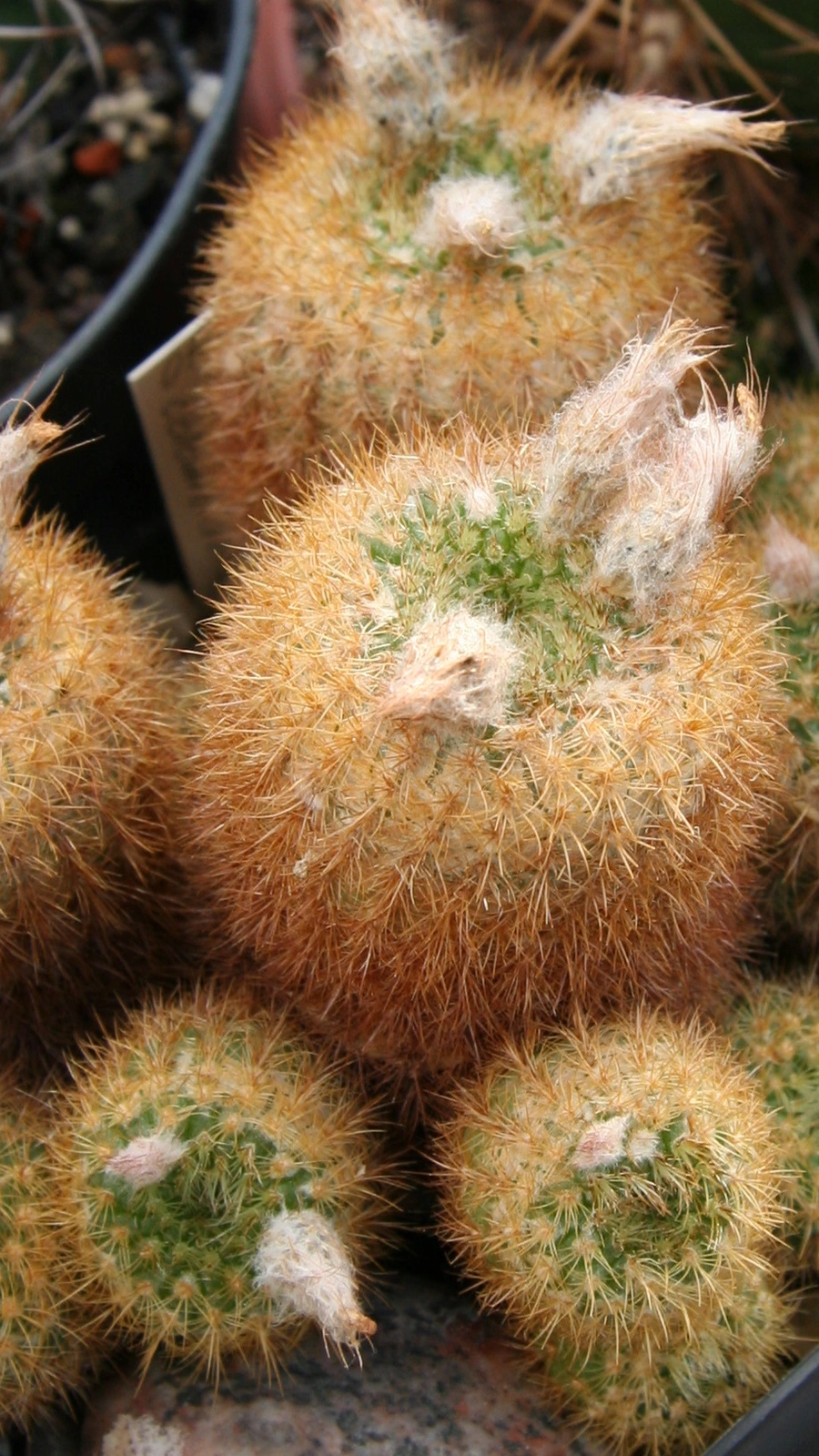
Dwarf Frailea
Frailea pumila is a miniature, globose cactus species belonging to the family Cactaceae. Highly prized by succulent collectors, it is well-known for its diminutive size and its fascinating cleistogamous flowers, which self-pollinate without fully opening.
Originally described by Lemaire, this species is a classic representative of the genus Frailea. The specific epithet pumila originates from Latin, meaning "dwarf" or "diminutive," directly referencing the exceptionally small mature size of the plant 1.
Frailea pumila is native to the subtropical regions of South America, spanning across Southern Brazil, Uruguay, Paraguay, and Northern Argentina 2. It grows in rocky cracks, shallow sandy soils among grasses, and under the light shade of companion vegetation.
The stem is globose to slightly cylindrical, dark green to reddish-purple, typically reaching only 3 to 5 cm in diameter. It features low, inconspicuous ribs lined with tiny, pectinate golden-brown spines that lie flat against the stem. The flowers are bright yellow, often producing abundant viable seeds cleistogamously without ever opening their petals wide 1.
Due to its shallow root system, Frailea pumila thrives in small, shallow pots with excellent drainage. It prefers bright, indirect sunlight or filtered light, as harsh direct noon sun can scorch its dark epidermis. It requires highly porous mineral soil and must be watered moderately in summer and kept almost completely dry in winter.
Overwatering is the primary cause of failure, leading to rapid root rot. Using oversized pots retains too much moisture around the shallow root zone. Insufficient light causes etiolation, stretching its compact globose form into an unnatural column.
Thrives in bright, filtered sunlight or partial shade. Protect from scorching midday sun.
Water only after the substrate is entirely dry. Keep dry and cool during winter dormancy.
Highly porous mineral mix with pumice, grit, and coarse sand. Avoid organic-rich peat.
Has very small, relatively soft spines but should be handled with care. Non-toxic to pets.
Very easy to care for, provided it is kept in small pots and never overwatered.
Found naturally across southern Brazil, Uruguay, Paraguay, and northern Argentina, typically growing in shallow soils among rocks and grasses.
