
Light
Direct Sun
Requires full sun to maintain thick, strong stems and to produce its massive night-blooming flowers.
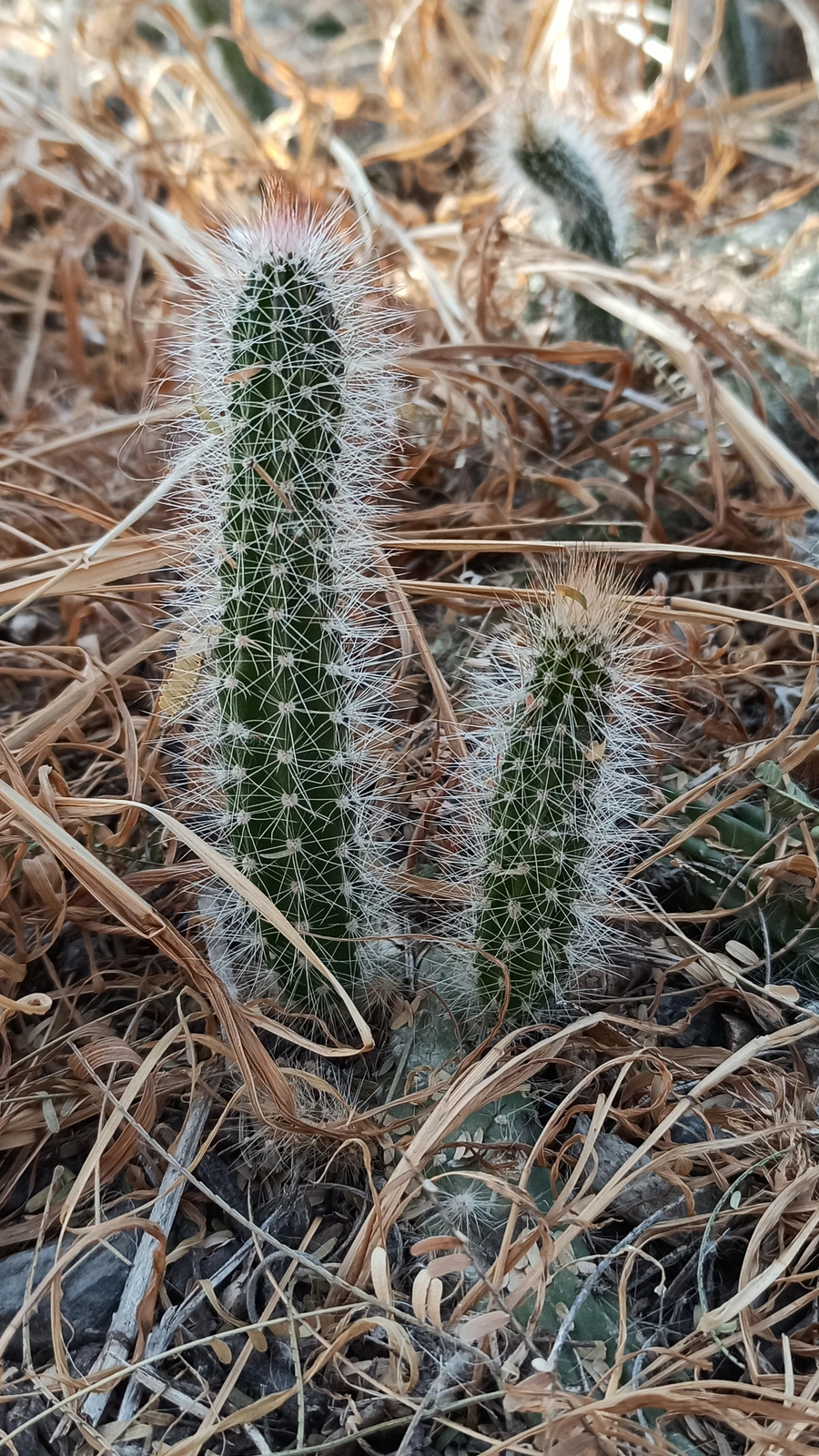
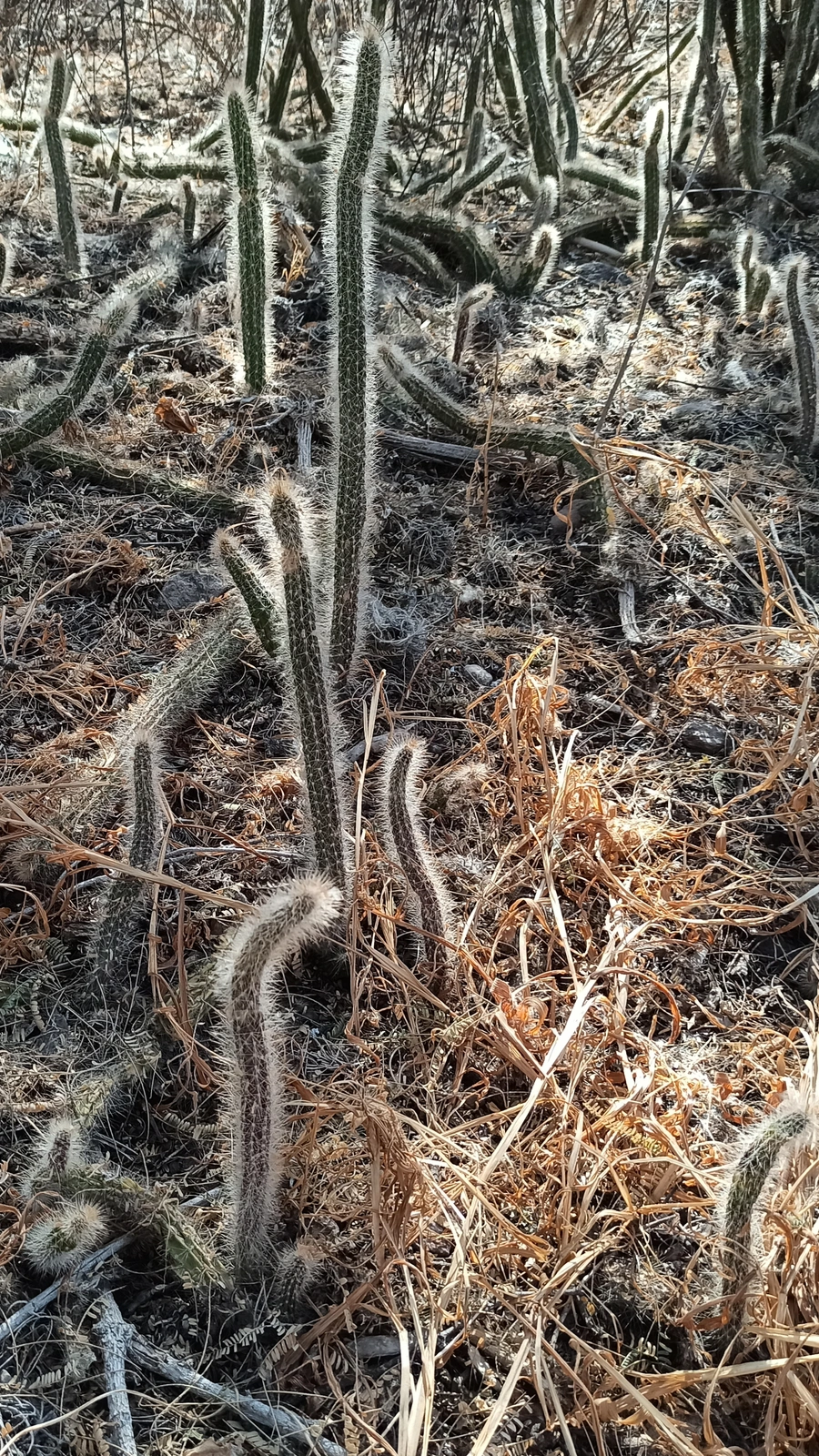
Snake Cactus
Nyctocereus serpentinus, commonly known as the Snake Cactus, is a fast-growing, scrambling or clambering succulent shrub famous for its spectacular, nocturnal white flowers. Belonging to the family Cactaceae, it is highly valued by succulent enthusiasts for its dramatic growth form and sweet-scented blooms 1.
Originally described as Cereus serpentinus, it was later classified under the genus Nyctocereus. In modern taxonomic databases, it is frequently merged into Peniocereus as Peniocereus serpentinus 2. The specific epithet 'serpentinus' refers to its snakelike, winding stems.
This species is native to central, southern, and western Mexico, occurring in dry deciduous forests and tropical scrublands 1. Due to its adaptability, it has naturalized in several other warm regions globally, including parts of Queensland, Australia, and regions of southern North America.
The stems are cylindrical, pale green, reaching up to 3 meters in length and 3-5 cm in diameter. They feature 10 to 17 ribs, densely set with small areoles bearing fine, needle-like whitish-to-brown spines. The nocturnal flowers open during summer nights; they are funnelform, extremely fragrant, measuring 15-20 cm long with white inner petals and reddish outer segments 2.
It thrives in well-draining soils with access to full sun or very bright indirect light. During the active growing season, water deeply but allow the soil to dry out completely between waterings. Protect it from hard frosts, as it prefers mild winter temperatures.
Overwatering during the dormant winter phase is the most common cause of decline, rapidly leading to root rot. Lack of adequate sunlight results in thin, weak, and etiated stems that cannot support themselves.
Requires full sun to maintain thick, strong stems and to produce its massive night-blooming flowers.
Apply the 'soak and dry' method. Never let the pot sit in standing water.
An open, gritty cactus mix with excellent drainage properties is essential.
Has numerous fine, sharp spines. Keep away from pets and handle with thick gardening gloves.
Moderate. It is tough and resilient, but requires correct winter dry periods to bloom.
Native to the seasonally dry tropical environments of Mexico, where it grows among scrub vegetation. It has also successfully naturalized in other warm semi-arid climates around the globe.
